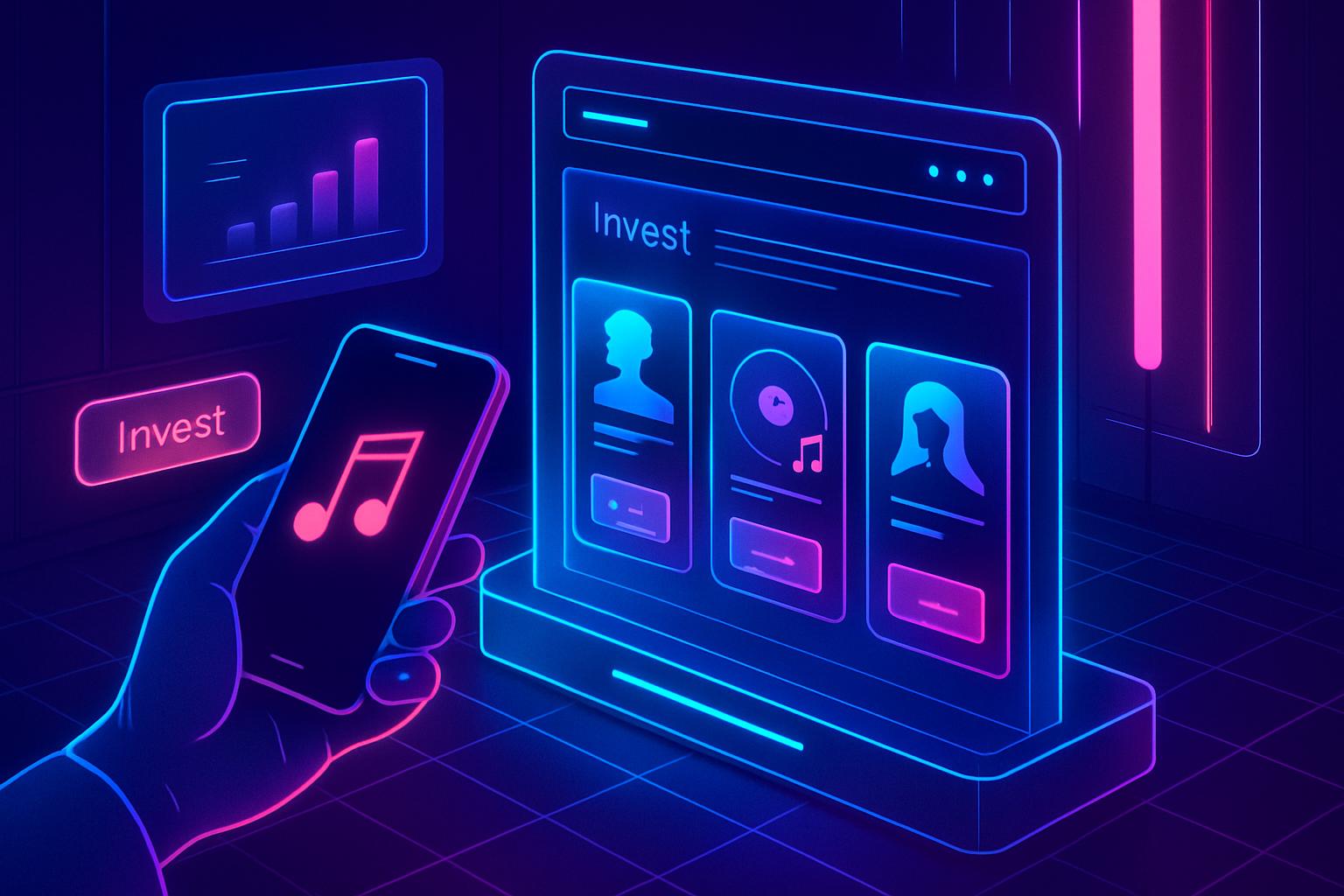
Imagine a world where your most passionate fans don’t just stream your music, but actually own a piece of your song’s success. Thanks to tokenized music royalties, this vision is now a reality for independent artists. By leveraging blockchain technology, musicians can transform their royalty streams into digital assets, letting fans invest directly in the future earnings of their favorite tracks. This approach is not only empowering artists to raise capital on their own terms, but also building a new class of music investors, fans themselves.
How Tokenized Music Royalties Work
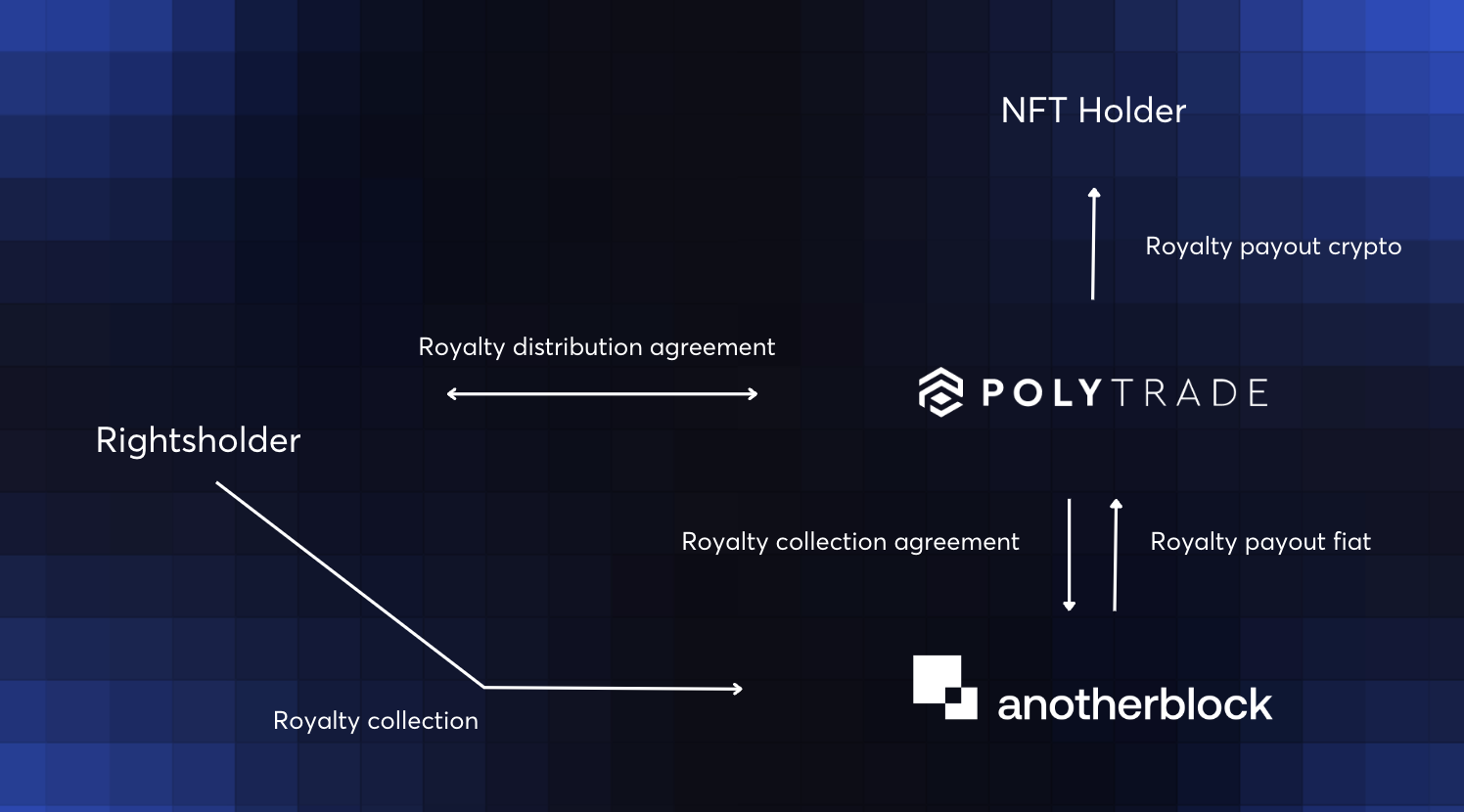
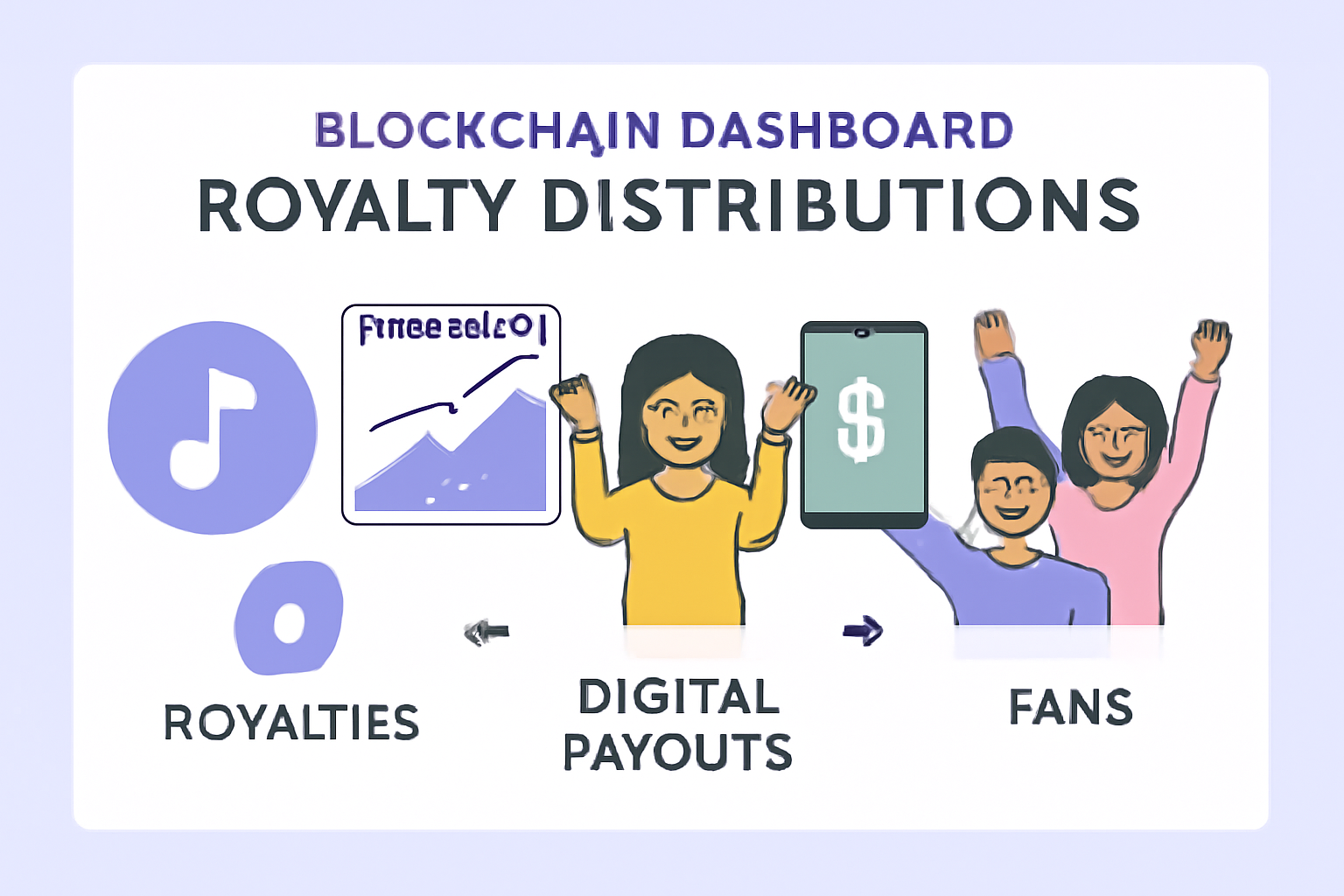
Tokenization in music is the process of converting rights to a song’s royalties into digital tokens on a blockchain. Each token represents a fractional ownership of future revenue, typically from streaming, sync, or licensing income. Fans and investors can buy these tokens, effectively becoming co-owners in the song’s financial performance. When the song earns royalties, smart contracts automatically distribute payments to token holders, ensuring transparency and eliminating traditional middlemen.
This model is already being used on platforms like Royal. io, where artists such as Nas have sold streaming royalty rights to fans. Not only does this provide immediate funding for creative projects, but it also forges a deeper connection between artists and their communities, who now have a tangible stake in the music’s success. As Audius and Catalog Works demonstrate, the movement is rapidly gaining traction across the web3 music landscape.
Why Indie Artists Are Embracing Fractional Music Ownership
The traditional route for funding music, label advances, personal loans, or crowdfunding, often leaves artists with limited control or delayed payments. Tokenized royalties flip this script by giving musicians direct access to upfront capital in exchange for a share of future earnings. Here’s why more indie artists are exploring this path:
Key Benefits of Tokenized Music Royalties
- Direct Fan Investment: Tokenization lets fans invest directly in their favorite songs, creating a deeper connection and allowing them to share in the music’s financial success.

- Immediate Funding for Artists: By selling royalty tokens, indie artists can raise capital upfront for production, marketing, or touring—no need to wait months or years for traditional royalty payments.

- Transparent and Automated Royalty Distribution: Smart contracts on blockchain platforms ensure royalties are distributed automatically and transparently to all token holders, reducing errors and delays.
- Increased Liquidity and Tradability: Tokenized music rights can be bought, sold, or traded on secondary markets, giving both artists and fans more flexibility and access to cash flow.
- Greater Artist Control and Independence: Indie artists retain ownership and control over their music, setting their own terms and engaging fans without relying on traditional labels or intermediaries.

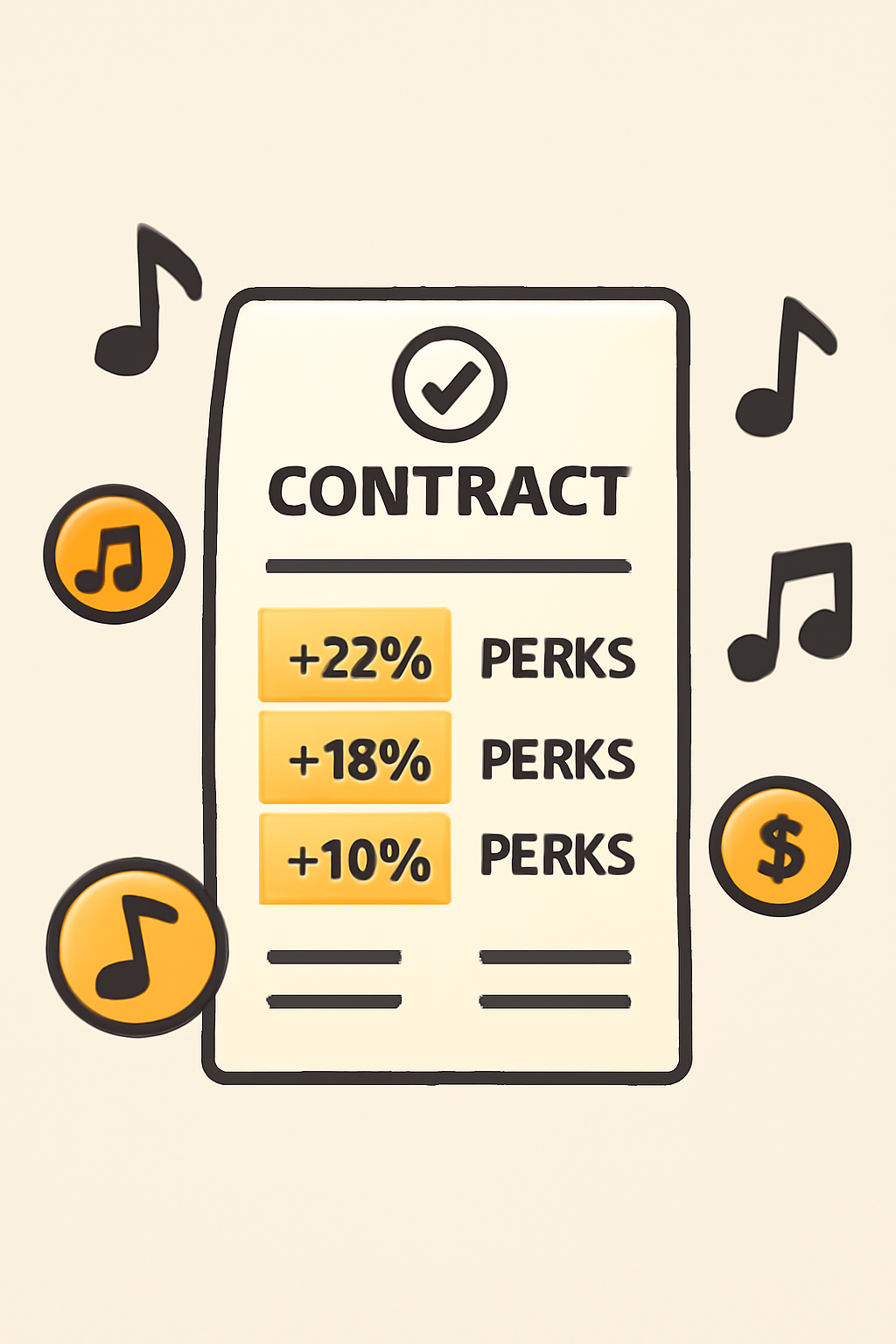
- Enhanced Fan Engagement and Community Building: Token holders often receive exclusive perks, voting rights, or access to special content, fostering a vibrant and loyal fan community.

Immediate Funding: Selling royalty tokens lets you unlock funds for production, marketing, or touring without waiting months (or years) for streaming payouts.
Fan Engagement: Supporters become true stakeholders, invested not just emotionally but financially in your success.
Transparency and Automation: Blockchain smart contracts handle royalty splits automatically, reducing disputes and ensuring everyone gets paid fairly.
Global Reach and Liquidity: Your music becomes a digital asset that can be traded on secondary markets worldwide, expanding your audience and potential investor base.
The Platforms Powering Fan-Owned Music Revenue
The rise of blockchain-based platforms has made it easier than ever to tokenize your music. Here are some leading options tailored to independent creators:
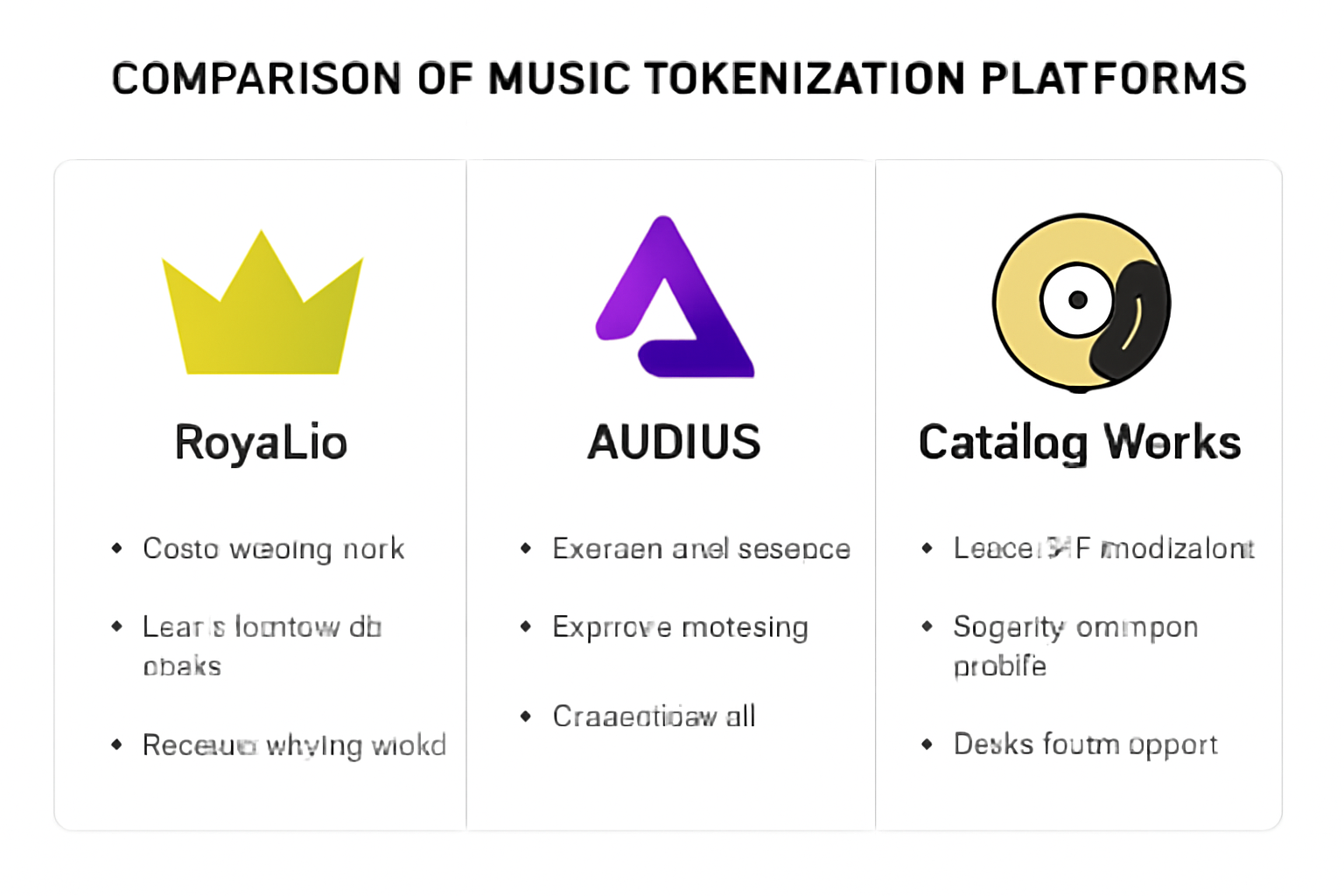
- Royal. io: Enables artists to sell fractional royalty rights directly to fans. Notable for high-profile drops and robust royalty tracking.
- Audius: A decentralized streaming service where artists can monetize tracks using the $AUDIO token and reward curators.
- Catalog Works: Focuses on one-of-one music NFTs, ideal for rare drops and collectors seeking exclusive ownership.
Each platform offers different features around royalty splits, NFT minting, and community engagement tools. The key is to choose one that aligns with your creative vision and technical comfort level.
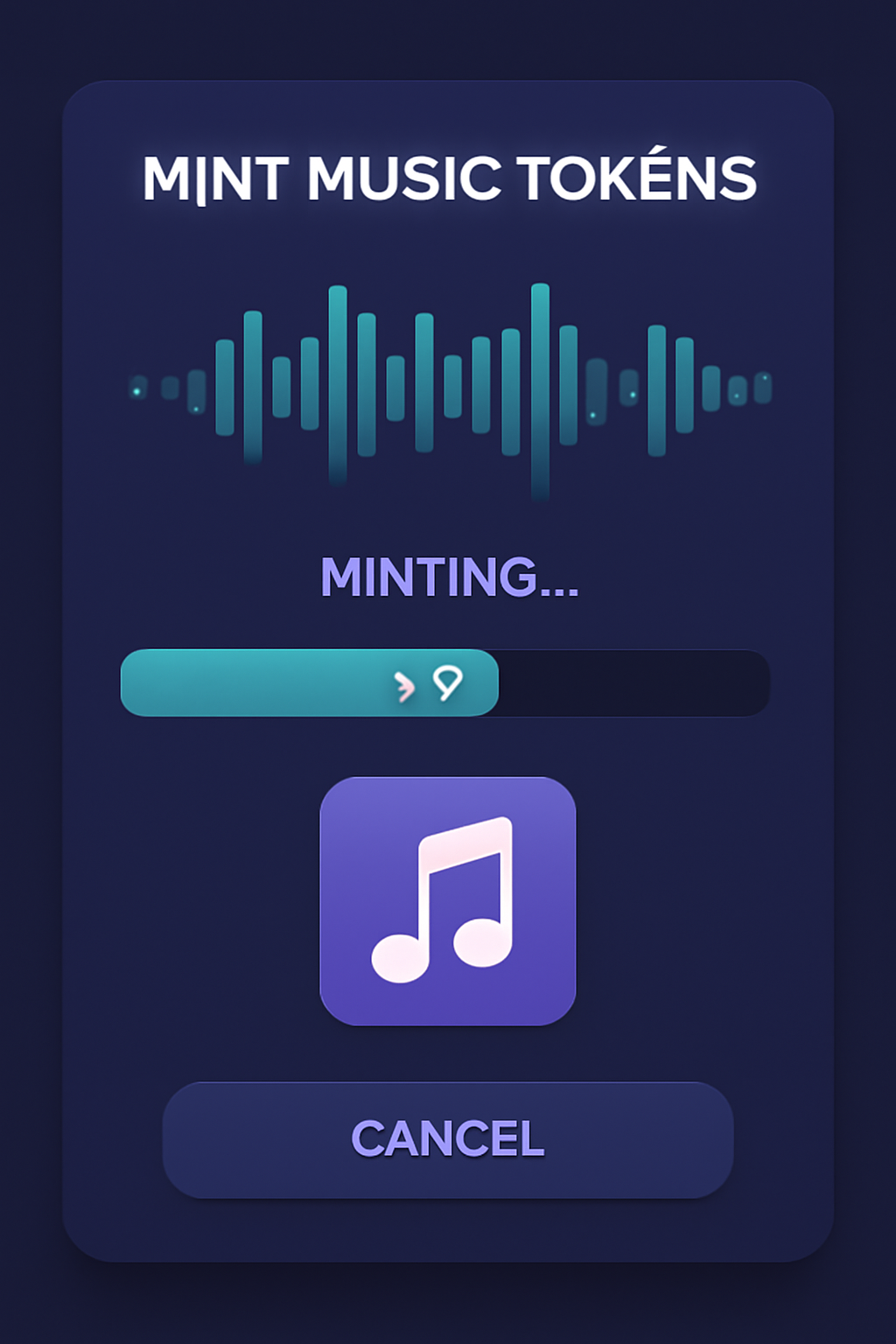
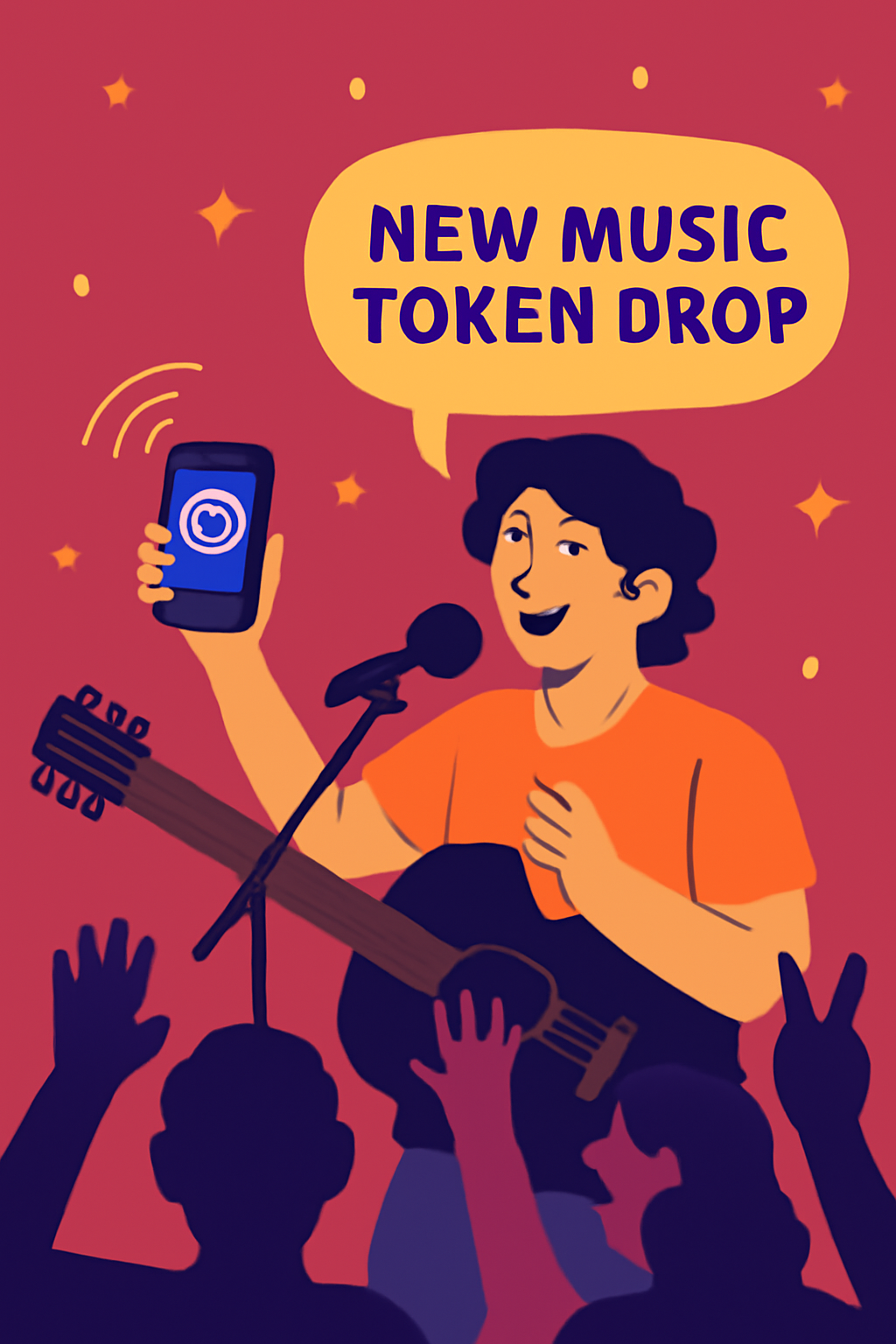
How to Launch Your First Tokenized Music Royalty Drop

Navigating the New Royalty Landscape
This new model isn’t without its challenges. Regulatory uncertainty around securities laws means artists must stay informed about compliance in their region. Market volatility can affect token prices, so clear communication with fans is critical. Yet the opportunity is undeniable: by embracing music royalty investment, independent musicians are not just financing their art, they’re inviting fans into the journey as co-creators of value.
As the music industry evolves, the ability to offer fractional music ownership is empowering artists to break free from traditional gatekeepers. By putting music royalties on-chain, artists and fans are rewriting the rules of creative finance. This is more than a technological shift, it's a cultural one. Fans are no longer passive listeners; they are active partners, sharing in both the risks and rewards of music’s unpredictable journey.
For independent musicians, this new landscape means you can bypass outdated royalty collection systems and instead tap into a global network of supporters. With platforms like Royal. io and Audius, you can tailor your royalty splits, set your own terms, and even offer exclusive perks to token holders, think VIP access, unreleased tracks, or backstage experiences. The result? A more direct and meaningful relationship with your audience, where every stream, sync, or playlist placement has the potential to benefit both you and your investors.
Real-World Impact: Artists and Fans Share the Upside
Tokenized music royalties are already proving their value. Early adopters report not only faster funding for new releases but also a surge in fan loyalty. When fans have skin in the game, they become your most passionate promoters, sharing your music, boosting streams, and spreading the word. This grassroots marketing effect can be more powerful than any paid campaign, especially for indie artists operating on tight budgets.
Secondary markets for music royalty tokens are also creating new liquidity. Holders who want to exit their position can sell their tokens to other fans or investors, making music a more dynamic asset class. This liquidity is especially appealing in a world where streaming revenues can be slow to arrive and unpredictable in scale.
"Tokenizing my debut EP let me fund a music video and merch run without label advances or debt. My fans are now my business partners, and we all win when the music does well. "
What to Watch For: Risks and Best Practices
While the promise is huge, it’s essential to approach music royalty investment with eyes wide open. Regulatory clarity is still evolving, and artists should consult legal counsel before launching a tokenized offering. Be transparent with your fans about how royalties are calculated, what rights they’re actually buying, and any risks involved. Education is key, many fans are new to blockchain music royalties and may need guidance on wallets, token purchases, or secondary sales.
- Smart Contract Security: Always use audited contracts to avoid technical vulnerabilities.
- Clear Communication: Spell out royalty splits, payment schedules, and token holder perks in plain language.
- Community Building: Keep investors engaged with regular updates and exclusive content.
Ultimately, tokenized royalties are about building trust and transparency. The most successful indie artists in this space are those who treat their fans as true collaborators, not just customers.
The Future of Fan-Owned Music Revenue
The rise of indie artist music NFTs and blockchain-powered royalty markets is just beginning. As more artists experiment with these models, expect to see new hybrids: fan-owned record labels, DAO-managed music collectives, and even cross-platform royalty pools. This movement is democratizing not just music funding but also ownership, and that’s a win for creativity everywhere.
If you’re an indie musician ready to take control of your revenue streams and invite your fans into the heart of your career, now is the time to explore tokenized music royalties. The tools are here. The audience is waiting. And the future of music ownership is unfolding, one token at a time.


No comments yet. Be the first to share your thoughts!