
Imagine a world where fans and investors can own a slice of their favorite song’s future earnings, sharing directly in the success of artists they believe in. Thanks to blockchain technology, this vision is rapidly becoming reality. The music industry has long struggled with opaque royalty systems, delayed payments, and limited access to investment opportunities. Blockchain-based fractional ownership is now rewriting these rules by making music royalties accessible, transparent, and tradable for anyone.
Tokenization: Turning Music Royalties Into Digital Assets
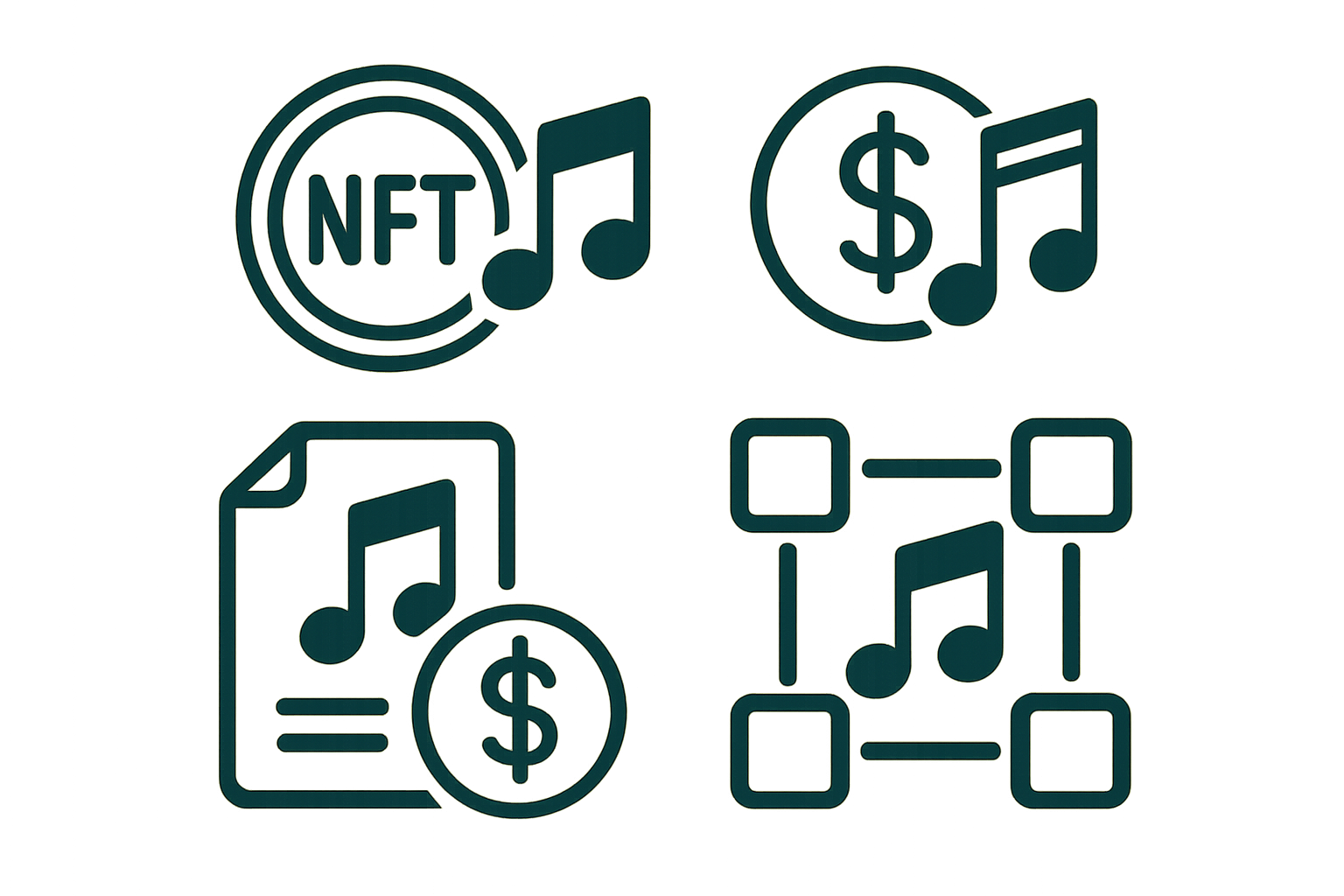
The core innovation driving this transformation is tokenization. By converting royalty rights into digital tokens on a blockchain, artists can split their revenue streams into thousands of tiny pieces, each represented by a unique token. These tokens are then offered to fans and investors, who purchase them for a share of future streaming or licensing income. This process democratizes music investment: instead of requiring deep pockets or industry connections, anyone can gain exposure to the cash flow generated by hit songs or trending albums.
Platforms such as Royal. io and Anotherblock have pioneered this approach, allowing artists like 3LAU and The Weeknd to raise capital directly from their audiences while granting fans a tangible stake in the music’s financial performance. Each token holder receives payouts based on actual streaming data recorded on-chain, a level of transparency previously unheard of in the traditional music business.
Smart Contracts: Automating Royalty Payments With Precision
The engine behind efficient royalty distribution is the smart contract. Written directly into blockchain code, smart contracts automatically execute payment splits whenever a song is played or sold. This eliminates manual accounting errors and delays that have plagued legacy royalty systems for decades. As soon as revenue hits the platform, whether from Spotify streams, YouTube plays, or sync deals, the smart contract instantly allocates funds to each rights holder according to predetermined terms.
This automation has major implications for both artists and investors. Musicians benefit from faster access to earnings and reduced administrative overhead. Investors enjoy predictable cash flows with real-time reporting, making tokenized royalties an attractive alternative asset class for portfolio diversification.
Transparency and Security: Solving the Industry’s Black Box Problem
Blockchain’s decentralized ledger records every transaction immutably, creating an auditable trail for all royalty payments and ownership transfers. This solves one of the industry’s biggest pain points: lack of transparency around who owns what rights, and how much money each party is owed. With every play, download, or license logged on-chain in real time, disputes over missing royalties become relics of the past.
This new level of openness builds trust between artists, fans, managers, and investors alike. It also helps regulators ensure fair compensation practices across borders, a crucial advantage as streaming platforms operate globally but copyright laws remain fragmented.
If you’re curious about how these mechanics work in detail, or want to explore investing in tokenized music assets, check out our comprehensive guide at How Blockchain Enables Fractional Ownership of Music Royalties: A Guide for NFT Investors.
While the benefits are clear, fractional ownership of music royalties via blockchain is not without its challenges. Regulatory frameworks around digital securities and intellectual property are still evolving. Market participants must navigate questions about compliance, jurisdiction, and the tax treatment of tokenized income streams. Nonetheless, the momentum is undeniable: as more artists and rights holders embrace tokenization, liquidity and standardization in on-chain royalty markets will likely improve.
Real-World Impact: Empowering Artists and Democratizing Investment
For artists, blockchain-powered royalty platforms offer an alternative to traditional label deals and publishing contracts. By selling fractional royalty rights directly to fans or investors, musicians can raise capital without sacrificing creative control or future earnings. This model is particularly powerful for independent creators who lack access to major industry gatekeepers.
Fans benefit as well, gaining a new way to support their favorite acts beyond streaming or merchandise purchases. Instead of being passive listeners, they become active stakeholders in a song’s success. This alignment of incentives can foster deeper engagement and even influence how music is promoted or discovered.
On the investment side, tokenized music assets open up a previously inaccessible asset class with unique risk-return characteristics. Unlike stocks or bonds, music royalties are typically uncorrelated with traditional markets, offering diversification potential for both retail and institutional portfolios. Secondary trading on NFT marketplaces adds liquidity that was once impossible for such niche assets.
What’s Next: The Road Ahead for On-Chain Royalty Markets
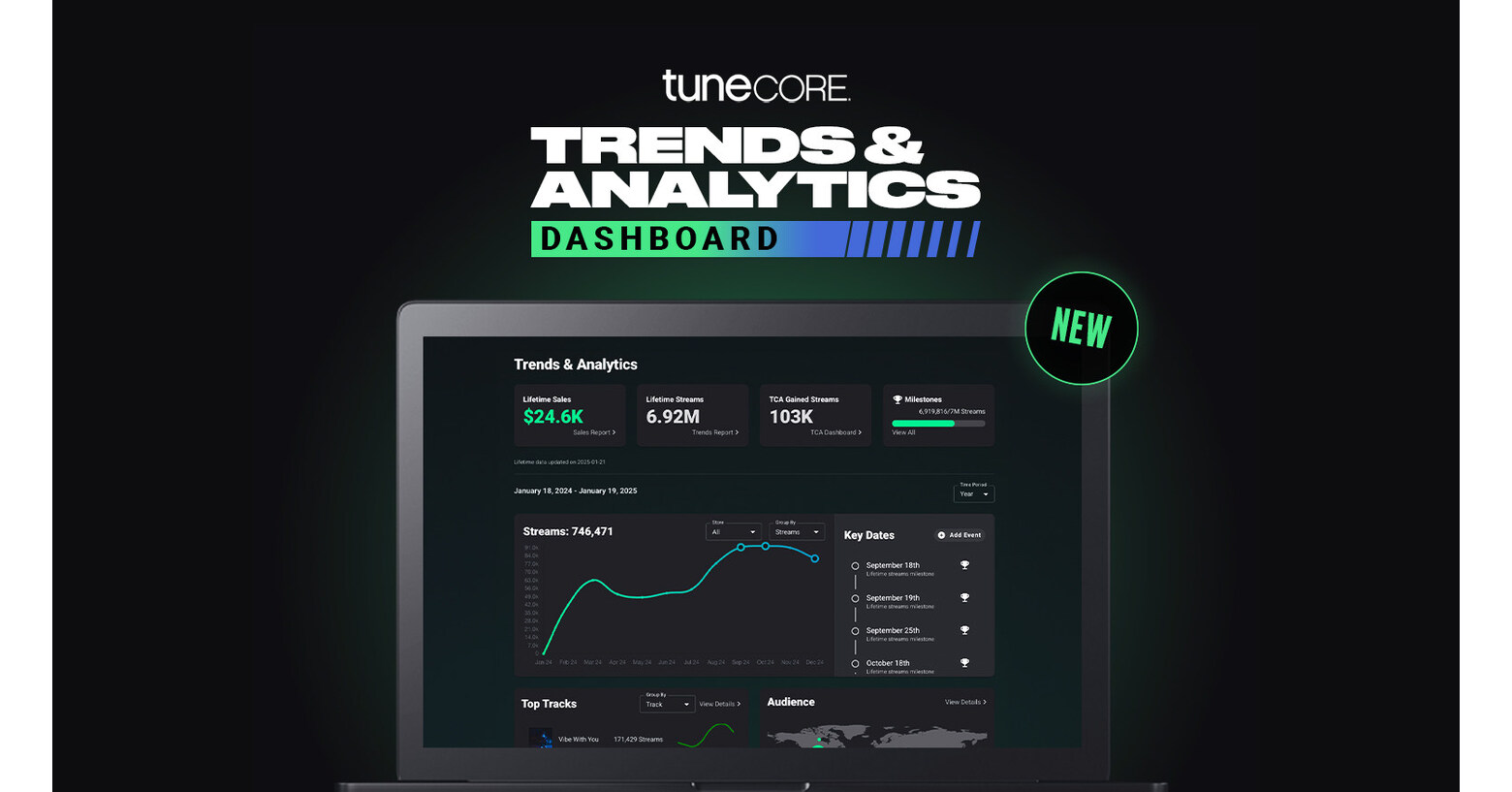
The next phase in this evolution will be greater interoperability between platforms and more sophisticated analytics for valuing tokenized royalties. As standards emerge around metadata and reporting, expect increased transparency in how streaming data translates into investor returns. Smart contracts could soon incorporate advanced features like dynamic splits based on performance milestones or automated buybacks triggered by market conditions.
For those interested in participating in this new era of music investment, whether as an artist seeking funding or an investor looking for yield, education is key. Understanding the mechanics of fractional ownership music royalties, the nuances of blockchain music royalties, and the risks associated with tokenized music assets is essential before diving in.
If you want to learn how to buy and sell these assets securely, visit our step-by-step guide at How to Buy and Sell Tokenized Music Royalties on Blockchain Marketplaces.
- Transparency: Every transaction is recorded on-chain for easy auditing.
- Automation: Smart contracts ensure timely payments without intermediaries.
- Diversification: Music royalties offer unique return profiles compared to mainstream financial products.
- Fan Engagement: Fractional ownership deepens connections between artists and their supporters.
The transformation underway in music finance mirrors broader trends toward decentralization across creative industries. As technology matures, expect more mainstream adoption, and perhaps even entirely new genres of user-driven content funded through collective ownership models.


No comments yet. Be the first to share your thoughts!