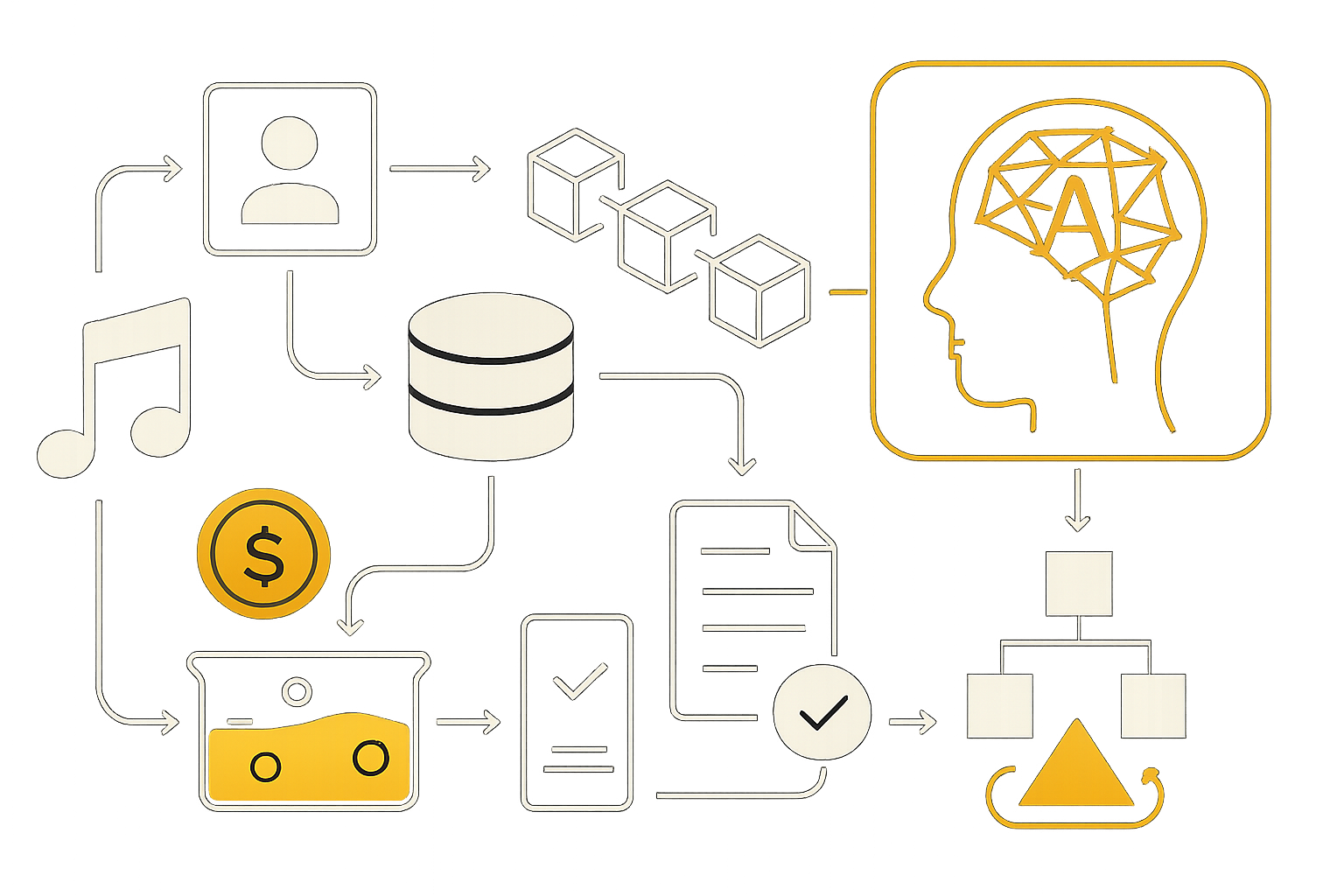
Blockchain technology is rewriting the rules for music royalties, finally giving artists and rights holders a transparent, automated, and direct path to revenue. Forget the traditional model where royalty payments lag for months or even years, and opaque intermediaries siphon off value. On-chain music royalties are about real copyrights and real ownership - not just buzzwords, but verifiable, tradeable assets that anyone can audit in real time.
Immutable Ownership: Copyrights on the Blockchain
The core benefit of blockchain in music lies in its immutable ledger. Once a copyright is recorded on-chain - as BeatSwap now enables with 650 and exclusive tracks - that record cannot be altered or tampered with. This creates an auditable trail of copyright registration and transfer. For artists, it means no more fighting to prove who owns what; for investors and fans, it means confidence in what they’re buying.
Platforms like BeatSwap are leading this charge by putting music copyrights fully on-chain. This isn’t just about digital collectibles; it’s about connecting copyright registration to participation and revenue sharing. The result? Increased transparency, fairer splits for creators, and a clear path for fans to own a piece of the songs they love.
Automated Royalties: Smart Contracts Deliver Instant Payouts
Traditional royalty payments are slow - quarterly at best, with some artists waiting up to two years after a song is played before seeing their share (University at Buffalo). Blockchain transforms this process through smart contracts: self-executing code that automatically splits and distributes revenue each time a track is streamed or licensed. No middlemen needed. No manual accounting errors.
This automation means artists receive their fair share instantly whenever their work generates income. Fans who hold fractional rights via NFTs also get paid out according to their ownership percentage - all tracked transparently on-chain. The result is an efficient system where every transaction and royalty calculation is verifiable by all participants (see how smart contracts reshape music revenue sharing).
Tokenization: Making Music Rights Liquid and Accessible
The next major leap comes from tokenizing music rights. By converting royalty streams into digital assets such as NFTs or fungible tokens, platforms like Royal, Anotherblock, Bolero, and BeatSwap let anyone buy fractional shares in future earnings from hit songs. These tokens can be traded freely on secondary markets or staked in DeFi protocols for additional yield.
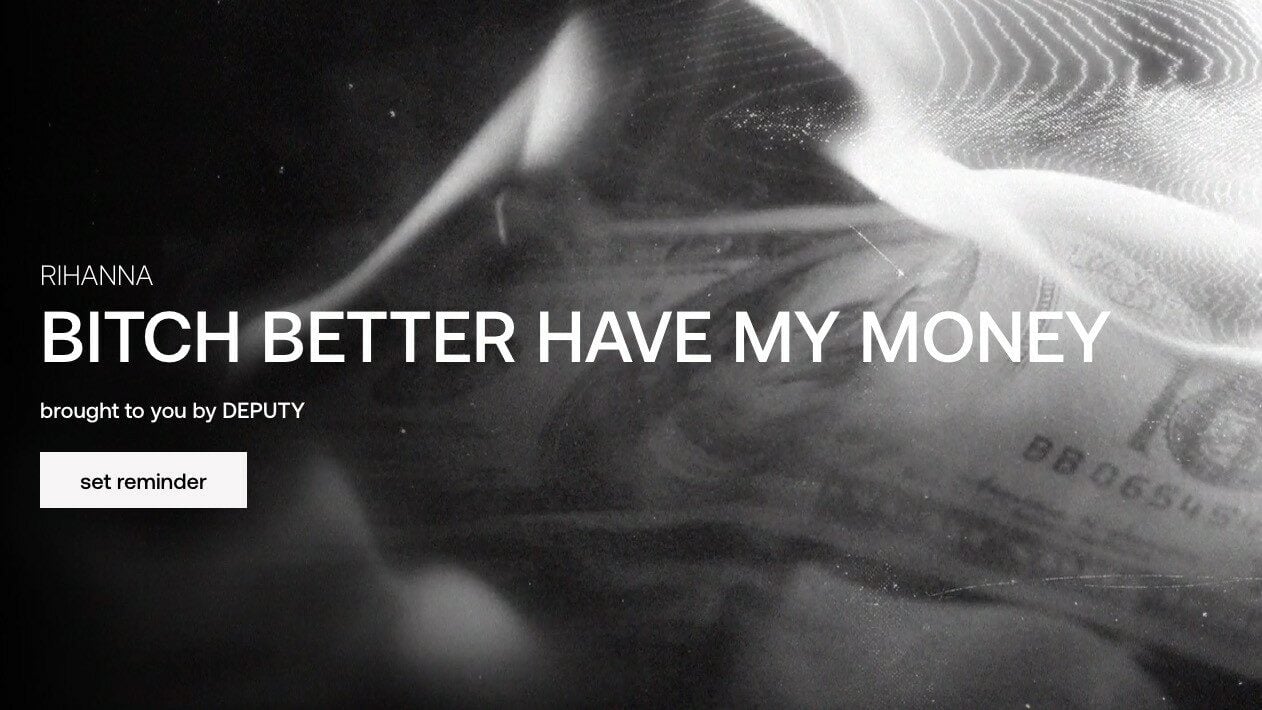
This shift isn’t just theoretical - it’s live market action. For example, Anotherblock’s NFT drop representing Rihanna’s “Bitch Better Have My Money” royalties sold out rapidly as investors snapped up fractions of future streaming income. Tokenized rights mean liquidity: you can buy in or cash out without waiting for industry gatekeepers to approve your move (learn more about tradeable tokenized royalties).
Tokenization also opens the door for global participation. Fans and investors from anywhere can access royalty streams that were once reserved for major labels or private equity. BeatSwap, for instance, connects copyright registration directly to on-chain participation, letting users track every royalty payment and ownership change in real time. This transparency builds trust and allows artists to cultivate a new class of engaged superfans who are literally invested in their success.
Top Platforms Powering Tokenized Music Royalties
- BeatSwap: The first full-stack IP-Rights RWA platform, BeatSwap puts music copyrights fully on-chain. It guarantees transparency, fairness, and higher revenue for artists by connecting copyright registration, royalty streams, and ownership-based rewards. Over 650+ exclusive tracks are available for fans and investors to access, trade, and earn from real music rights.
- Royal: Co-founded by musician Justin Blau (3LAU), Royal enables artists to sell fractional ownership of music royalties as NFTs. Fans who purchase these NFTs receive a share of streaming royalties, creating a direct and transparent artist-fan revenue relationship.
- Anotherblock: Anotherblock collaborates with artists to tokenize streaming royalties. Notably, it partnered with producer Jamil "Deputy" Pierre to tokenize royalties from Rihanna's "Bitch Better Have My Money," allowing investors to own a share of real-world music income.
- Bolero: Bolero focuses on tokenizing master recording rights, allowing NFT holders to receive a percentage of royalties from physical sales, digital streams, and sync placements. The platform empowers both artists and fans with transparent, on-chain royalty participation.
But the benefits aren’t limited to just liquidity and access. On-chain licensing is making it possible for music IP to be seamlessly licensed across multiple platforms with enforceable smart contracts. This means songwriters and producers can license their tracks without fear of misreporting or missed payments, every use is logged, every payout is automatic. The result: music copyright management becomes as fast as the internet itself.
Challenges Ahead: Standardization and Data Accuracy
No revolution comes without hurdles. The blockchain music sector faces critical challenges around data accuracy and market standardization. If incorrect information is recorded on-chain, such as a wrong rights split or misattributed ownership, disputes can become entrenched. NFT marketplaces also differ in how they handle ongoing artist royalties, which can create confusion for both creators and collectors.
The industry is responding with new protocols for rights verification and metadata standards to ensure that what’s put on-chain truly reflects reality. Platforms like BeatSwap are pushing toward full-stack solutions that integrate copyright registration, transparent royalty splits, and enforceable licenses all in one place.
The Road Ahead: Music Ownership in the Web3 Era
The momentum behind blockchain-based music royalties is undeniable. With over 650 exclusive tracks now registered on-chain via BeatSwap alone, we’re seeing the early days of a market where true digital property rights are established, and instantly monetizable, worldwide. Artists now have a toolkit to bypass legacy gatekeepers while fans gain unprecedented access to participate in their favorite songs’ upside.
The next phase will be about scaling these systems globally while refining standards for data input, royalty splits, and cross-platform compatibility. As more artists embrace tokenized revenue models, and platforms race to offer seamless onboarding, the vision of frictionless, transparent music ownership comes closer to reality each day.
If you want a deeper dive into how fractional ownership works or see how instant payouts are reshaping artist income streams, check out our guides on fractional ownership of music royalties or instant payouts with tokenized royalties.

No comments yet. Be the first to share your thoughts!