

Fractional ownership of music royalties on blockchain platforms has become the most quantifiable trend in music finance for 2025. In a world where streaming revenue is the primary income stream for artists, tokenizing music rights has created a new asset class that merges cultural capital with digital liquidity. The process isn’t just a technical upgrade; it’s a complete redesign of how value, risk, and reward flow through the music ecosystem.

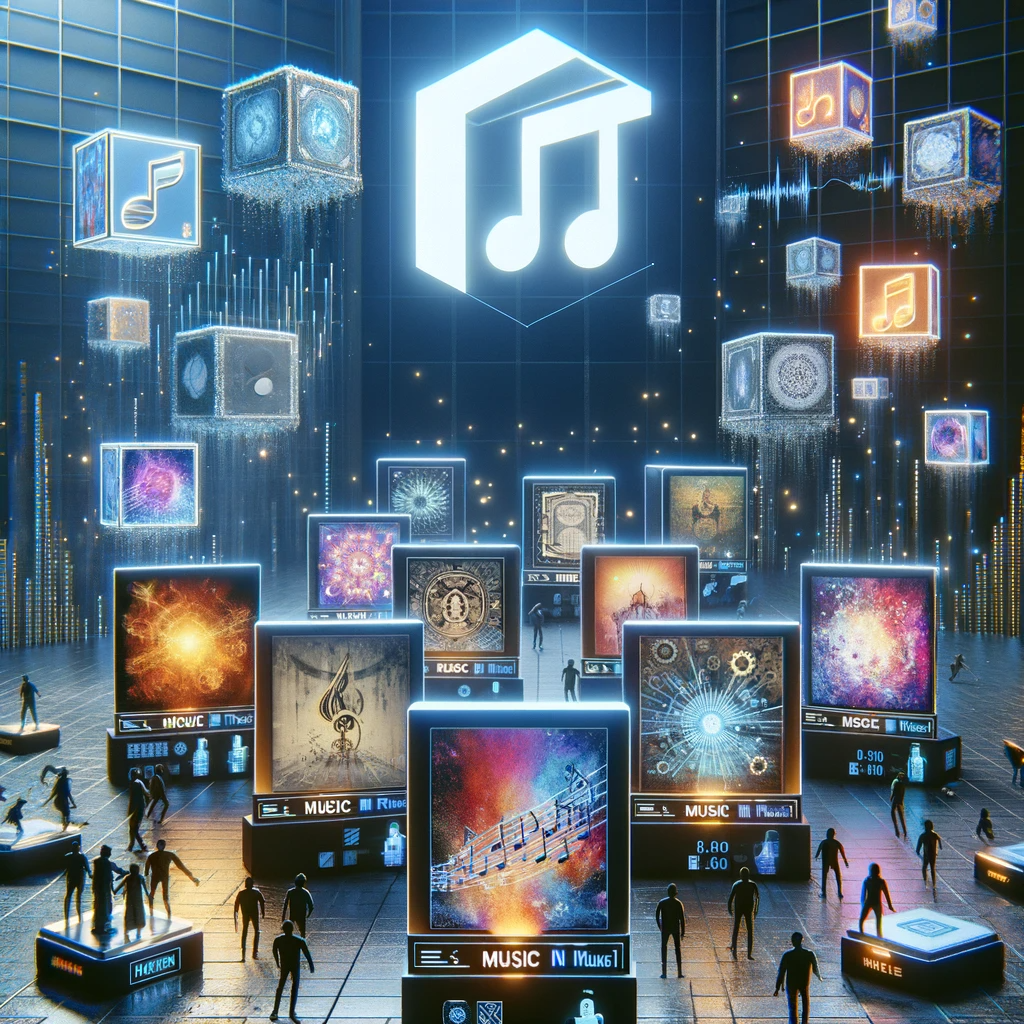
Tokenizing Music Royalties: Mechanics and Market Structure
At its core, fractional ownership of music royalties means dividing the future revenue streams from a song or catalog into digital tokens. These tokens, often minted as NFTs or fungible assets on blockchains like Ethereum or Solana, each represent a precise share of streaming and licensing income. Artists or rights holders can set the percentage of their royalty stream they wish to tokenize, typically between 10% and 50%, though some high-profile drops have gone higher.
The critical innovation is in smart contracts. When you purchase a tokenized share, you’re not just buying speculative art, you’re acquiring an enforceable claim on future cash flows. Each time Spotify, Apple Music, or YouTube pays out royalties for that track, smart contracts automatically divvy up the proceeds according to token ownership. No middlemen, no opaque accounting, just verifiable transactions on-chain.
This model increases liquidity and accessibility. Instead of needing $100,000 to buy into a hit song’s master rights (as was common on legacy royalty exchanges), retail investors can now start with as little as $10 or $100 per token. According to recent research, this democratization has led to thousands of new participants entering the market in 2025.
Leading Platforms: Who’s Winning the Royalty Tokenization Race?
The competitive landscape is rapidly evolving. Several platforms have emerged as dominant players:
- Royal. io: Co-founded by DJ and producer 3LAU, Royal. io allows artists to sell portions of their streaming royalties directly to fans as NFTs. Major drops from Nas and The Chainsmokers have validated its mainstream appeal.
- Audius: This decentralized streaming service pays artists directly in $AUDIO tokens and supports direct-to-fan royalty sharing models, cutting out traditional intermediaries entirely.
- Anotherblock and Bolero: Both focus on fractionalizing existing royalty streams into tradable NFTs. Investors can earn proportional payouts every quarter based on their holdings.
The result? Music royalty markets on blockchain now function more like liquid securities markets than static publishing deals. Price discovery happens in real time; secondary trading is robust; and analytics platforms are emerging that let investors track performance metrics like yield-to-date, volatility scores, and even artist engagement indices.
The Quantitative Edge: Why Fractional Ownership Matters for Investors
If you’re used to thinking about stocks or crypto options, music royalties offer an intriguing alternative yield curve. Royalty payments are typically uncorrelated with broader equity markets, when stocks tank during macro shocks, people still stream Taylor Swift or Bad Bunny on repeat. That makes investing in music NFTs an effective diversification play.
Moreover, fractionalization lets you construct diversified portfolios across genres, eras, or even specific artists’ catalogs, diluting idiosyncratic risk while maintaining upside exposure if your chosen tracks go viral or get licensed by Netflix for a hit series.
The numbers don’t lie: according to industry data from RWA. io and BlockchainX cited above, annualized yields from top-performing tokenized songs have ranged from 6% to over 14% in 2025, competitive with many DeFi protocols but backed by real-world cash flows instead of synthetic incentives.
Of course, yield is only part of the story. Liquidity is another critical metric in these new music royalty markets. Secondary trading platforms now allow investors to buy or sell their fractional shares 24/7, with transparent price discovery and minimal slippage on high-volume tracks. This stands in stark contrast to legacy royalty exchanges, where deals could take weeks or months to settle and exit options were limited.
But with opportunity comes risk. Tokenized music royalties are not immune to volatility: streaming revenue can fluctuate based on playlist placements, viral trends, or even algorithmic changes by major DSPs. The market is still maturing, and while liquidity for top-tier songs is strong, less popular catalogs may see wider bid-ask spreads or periods of illiquidity. For investors accustomed to blue-chip equities or stablecoins, it’s essential to size positions accordingly and diversify across multiple assets.
Artist Empowerment and Fan Engagement: The New Relationship Economy
The impact for artists is equally profound. Instead of waiting months for opaque royalty statements or relying on advances from labels, musicians can now raise capital instantly by selling fractional rights directly to superfans. This isn’t just about money; it’s about building a community of stakeholders who are financially motivated to promote the music they own a piece of.
Platforms like Royal. io and Anotherblock have introduced fan-only perks: early access to unreleased tracks, exclusive merch drops, even voting rights on setlists or remixes. These hybrid models blend financial upside with experiential rewards, creating a feedback loop where fans become evangelists, and artists turn listeners into long-term partners.
Transparency is another game-changer. On-chain accounting means every payment is traceable in real time, slashing administrative overhead and reducing the notorious “black box” effect that has plagued the music industry for decades. According to The Music Universe, up to 50% of traditional royalty payments historically went missing due to poor tracking; blockchain-based systems are rapidly closing this gap.
What’s Next? Scaling Music Royalty Markets in 2025 and Beyond
The future trajectory depends on two factors: regulatory clarity and wider adoption. As more jurisdictions provide guidance on tokenized securities and digital asset taxation, expect institutional capital to enter the space, bringing deeper liquidity but also higher scrutiny around KYC/AML compliance.
For retail investors and artists alike, the playbook will be about agility: monitoring platform performance metrics, evaluating smart contract risk (always DYOR), and staying attuned to new genres or territories opening up for tokenization. The convergence of data analytics with fan-powered engagement means that tomorrow’s hit song might be as much an investment thesis as an artistic breakthrough.
If you’re ready to explore further, or want a step-by-step guide on how blockchain enables fractional ownership, check out our primer at How Blockchain Enables Fractional Ownership of Music Royalties: A Guide for NFT Investors.
About the Author