
In 2025, the music industry’s approach to rights management has been fundamentally reshaped by blockchain technology. Gone are the days when artists waited months for royalty payments or struggled to verify who owned what percentage of a song. Today, blockchain music rights management offers creators and investors a transparent, automated, and fair alternative to legacy systems that were often opaque and slow.
The End of Opaque Royalty Chains
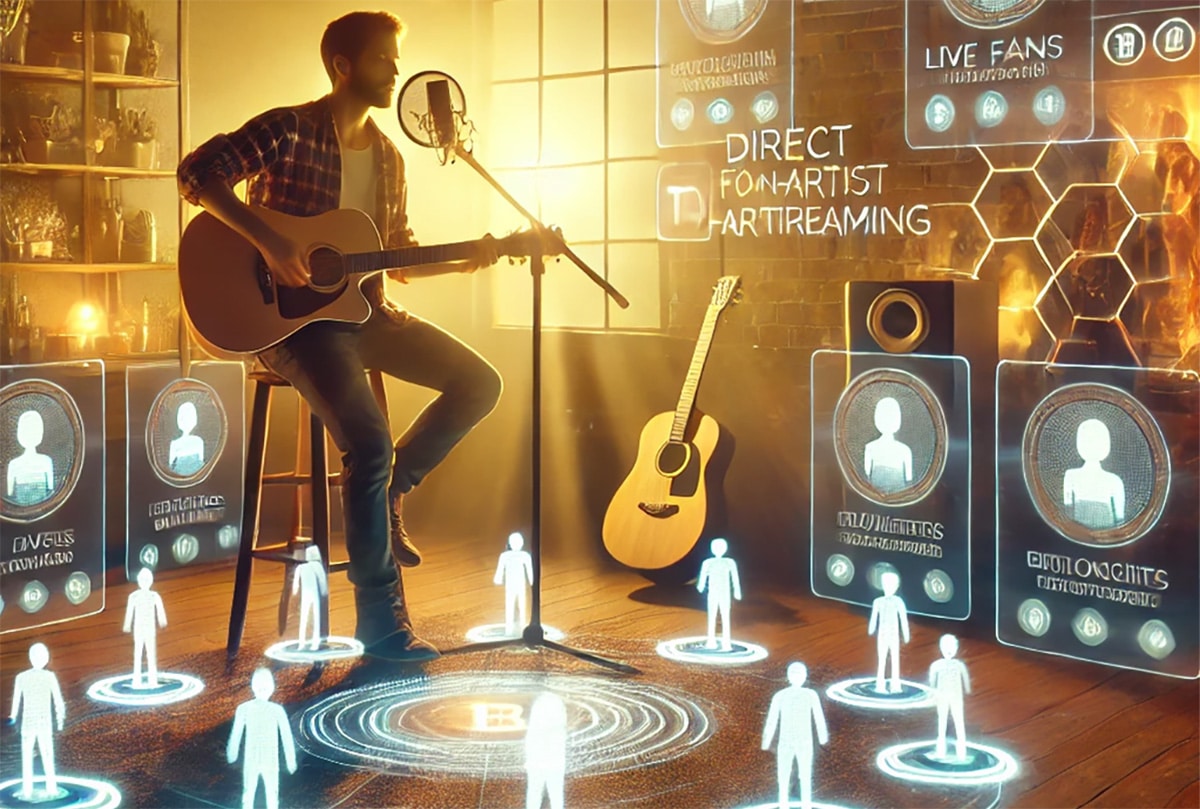
Traditionally, tracking music rights and royalty distributions was a tangled web involving publishers, labels, collection societies, and various intermediaries. Payments could be delayed for months as revenue trickled through each layer. Artists, especially independent ones, were often left in the dark about how much they were owed or when payments would arrive.
Blockchain solves this with its immutable ledger. Every transaction, whether it’s a stream on Spotify or a sync license for a DJ set, is recorded on-chain in real time. This creates an auditable trail accessible to all stakeholders. As ZIPDJ notes in their 2025 report, even DJs now enjoy greater control over their music rights and royalties thanks to these advancements.
Platforms like Soundblock have integrated blockchain-based reporting with traditional services such as Apple Music and Spotify. This means artists can see both their digital and physical sales transactions on a single dashboard, and receive payouts without waiting for manual reconciliations.
Smart Contracts: Automating Fairness
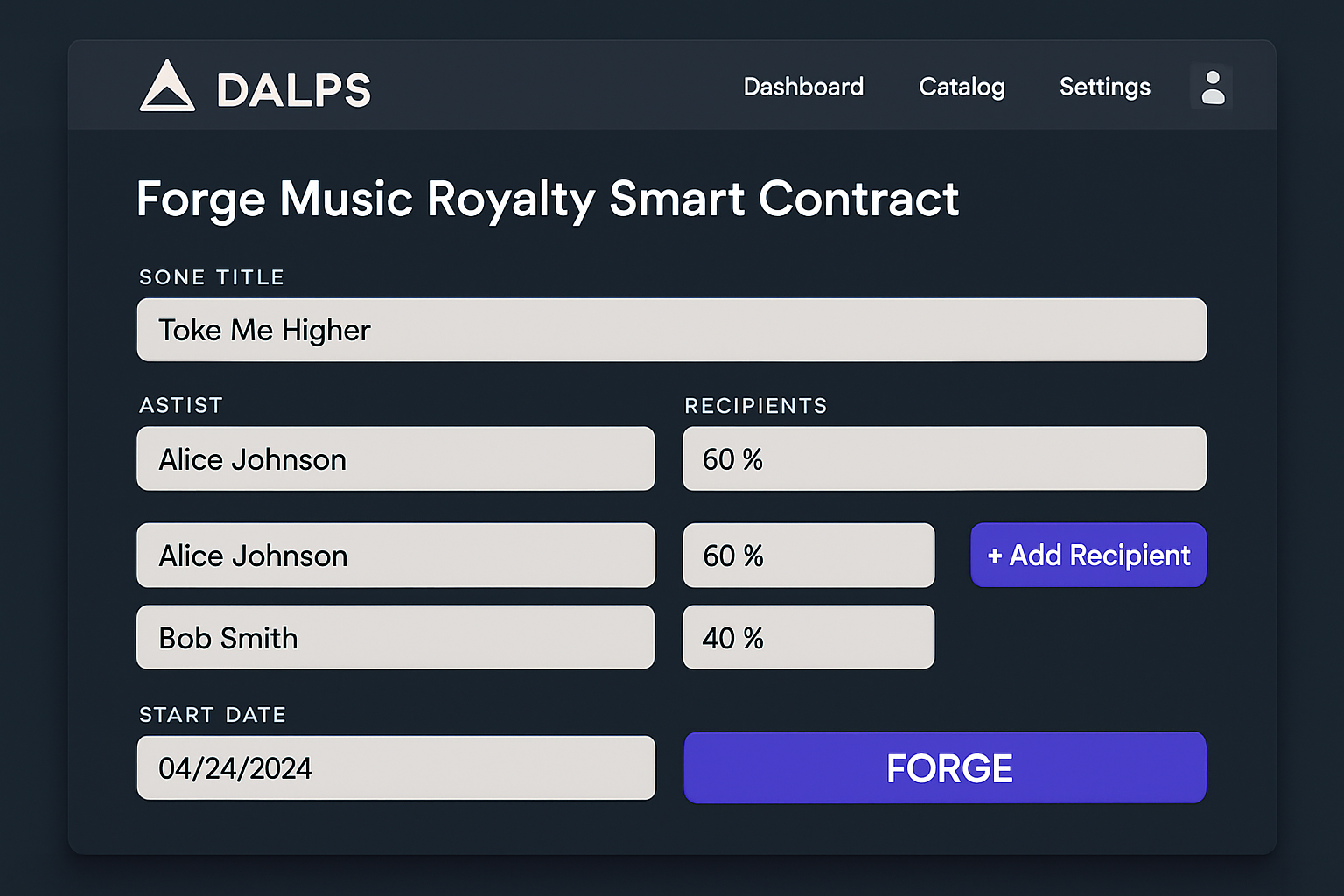
The real game-changer in music royalty distribution blockchain is the use of smart contracts. These self-executing agreements automatically split royalties according to pre-set terms coded into the blockchain. For instance, if three collaborators co-write a track, every stream or download triggers instant micropayments that are divided precisely as agreed, no spreadsheets or human intervention required.
This automation isn’t just more efficient; it’s fairer too. DALPS Forge has pioneered systems where multi-party splits are handled instantly and accurately on-chain. The result is less administrative overhead and more money flowing directly to those who earned it. If you’re curious about how smart contracts are reshaping revenue sharing for musicians, explore our deep dive at Automated Royalty Splits: How Blockchain Smart Contracts Are Reshaping Music Revenue Sharing.
Tokenization: Fractional Ownership Goes Mainstream
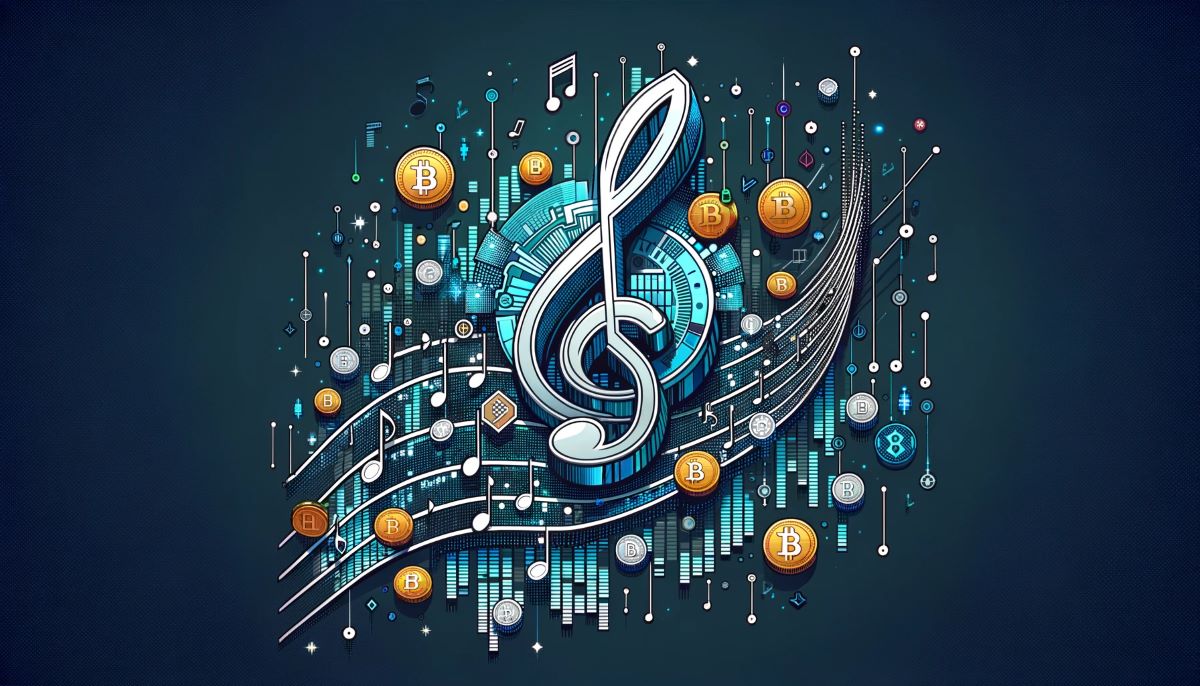
The next leap forward is on-chain music royalties via tokenization. Blockchain platforms now allow artists to convert songs into digital tokens representing fractional ownership of future royalties. Fans can invest directly in their favorite tracks by purchasing these tokens, and share in the streaming revenue as it rolls in.
This model democratizes access to music investment while providing creators with upfront capital and engaged supporters. Platforms like Royal have led this charge by letting artists sell streaming royalty rights as Limited Digital Assets (LDAs). For collectors and investors alike, this means music assets can be traded transparently on open marketplaces, bringing liquidity to what was once an illiquid asset class.
If you want to see how tokenized royalties empower artists with instant payouts and transparent revenue sharing, check out our feature at How Tokenized Music Royalties Are Empowering Artists With Instant Payouts And Transparent Revenue Sharing.
Transparency is at the heart of this revolution. Every transaction, from primary sales to secondary trades of music royalty tokens, is recorded on a public ledger, allowing all participants, artists, investors, and rights holders, to verify earnings in real time. This has dramatically reduced disputes over copyright splits and royalty calculations. No more second-guessing mysterious deductions or delayed statements: blockchain-based systems provide a single source of truth for everyone involved.
Key Benefits of Blockchain for Music Rights in 2025
- Instant Royalty Payouts via Smart ContractsPlatforms like DALPS Forge use blockchain-based smart contracts to automate royalty calculations and payments, delivering immediate payouts to artists and collaborators without delays or intermediaries.
- Transparent Royalty Splits for All ContributorsBlockchain’s immutable ledger records every transaction, enabling real-time tracking and clear royalty splits among artists, producers, and rights holders. This transparency builds trust and reduces disputes.
- Fan Investment Opportunities through TokenizationPlatforms like Royal let artists tokenize music rights, allowing fans to buy shares of song royalties as Limited Digital Assets (LDAs) and share in future revenue streams.
- Global Accessibility and Seamless DistributionBlockchain-powered services such as Soundblock integrate with platforms like Spotify and Apple Music, enabling global royalty management and transparent multi-party payouts across borders.

Another transformative aspect is the way these systems empower independent creators and smaller rights holders. Before 2025, only major labels or established artists had the resources to audit royalty flows or negotiate fairer terms. Now, even up-and-coming musicians can leverage smart contracts to ensure they are paid accurately and promptly for every stream or sync placement, no matter how small the amount.
Challenges on the Road to Full Adoption
Despite these advances in music smart contracts 2025, challenges remain. The industry still grapples with interoperability between diverse blockchain networks and traditional music databases. While platforms like Soundblock are bridging these gaps, a universal standard for metadata and rights registration has yet to emerge. Additionally, some legacy stakeholders remain hesitant to embrace transparent ledgers that could expose outdated or unfair contract terms.
Education is another hurdle. Artists and managers must become comfortable navigating wallets, digital tokens, and on-chain dashboards, skills that were unnecessary just a few years ago. However, as user interfaces improve and best practices spread through communities and industry groups, adoption is accelerating rapidly.
The Future: Data-Driven Creativity and Global Collaboration
The long-term impact of music rights transparency blockchain extends far beyond payments. With accurate data at their fingertips, creators can better understand their audiences across platforms and geographies. This unlocks new collaboration opportunities, imagine global songwriting camps where contributors are automatically credited and compensated based on their input tracked in real time via blockchain.
Furthermore, as AI-generated music proliferates in 2025, on-chain rights management provides a robust defense against piracy by ensuring that every sample or remix is tracked back to its original creator for fair compensation, a topic we explore further at The Role of Blockchain in Preventing AI-Generated Music Piracy and Securing Royalties.
The era of opaque royalty chains is coming to a close as blockchain brings radical transparency and efficiency to an industry long plagued by complexity. Whether you’re an artist seeking fairer payouts or an investor looking for new opportunities in tokenized assets, 2025 marks a turning point where music’s value can finally be shared openly, and instantly, on-chain.

No comments yet. Be the first to share your thoughts!