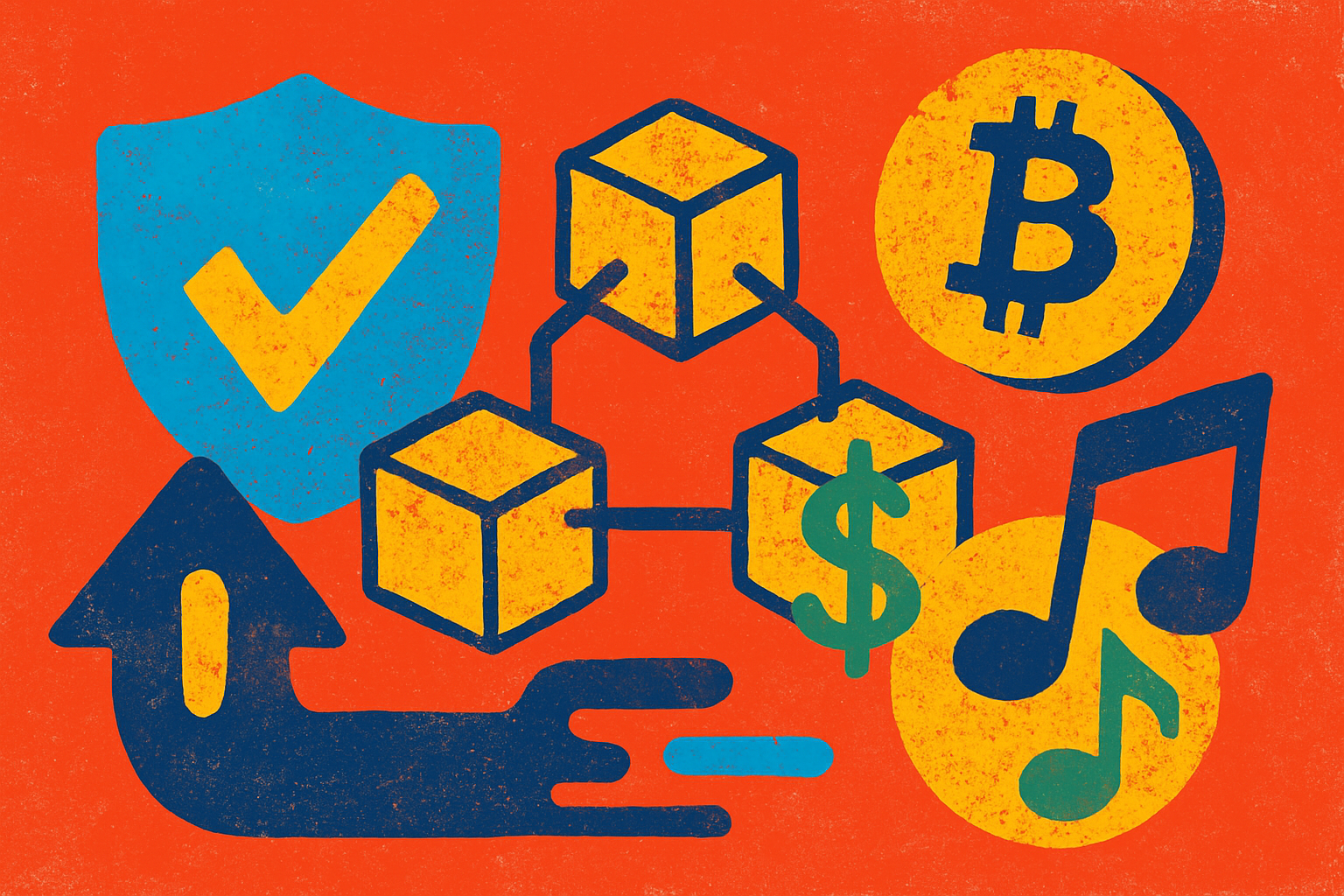
In 2025, the music industry is being radically reshaped by blockchain technology, particularly in the realm of royalty payments. Where once artists waited months for opaque, error-prone statements and delayed payouts, today’s leading-edge platforms deliver real-time micropayments and transparent accounting. The result? Musicians now experience direct, immediate compensation each time their work is streamed or purchased, fundamentally altering the economics of music creation and distribution.
Real-Time Micropayments: From Waiting Games to Instant Gratification
The traditional royalty system was notorious for its sluggishness. Revenue from streams or sales would trickle through layers of intermediaries - labels, publishers, collecting societies - before finally reaching the artist’s account. This process could take months and was riddled with errors and disputes over correct splits.
Blockchain-based smart contracts have upended this paradigm. Whenever a song is played on a compatible platform, a self-executing contract instantly verifies usage data and dispatches payment directly to the rights holders’ wallets. According to recent reports, over 60% of independent artists in 2025 receive real-time micropayments via blockchain-powered services. Platforms like Wavlake are leading this shift, with some hip-hop artists reporting higher earnings compared to legacy streaming services due to reduced fees and instant settlements.
Tokenization: Fractional Ownership Meets Fan Engagement
The next major leap comes from tokenized music royalties. Through tokenization, artists can convert portions of their future royalty streams into digital tokens that represent fractional ownership. These tokens are then sold directly to fans or investors on secure marketplaces. This not only provides musicians with upfront capital but also creates a new class of engaged supporters who benefit financially as the song succeeds.
This model is already being used by major acts like Nas and Diplo, who have offered shares in their streaming royalties as tradeable digital assets. Fans become stakeholders in an artist’s success story - a win-win that blurs the line between supporter and investor. For more on how tokenization is empowering creators with instant payouts and transparent revenue sharing, see this deep dive.
Transparency and Trust: Every Play Counts (and Pays)
The decentralized ledger at the heart of blockchain ensures every play, download or license is recorded immutably. This means all stakeholders - artists, collaborators, managers - can access real-time data on how often a track has been used and exactly what revenue it generated.
This transparency eliminates disputes common in traditional systems and builds trust across the creative ecosystem. No longer do musicians have to rely on black-box calculations from third parties; instead, every transaction is visible for audit at any time.
What’s more, this transparent accounting is opening doors for more equitable revenue splits. Collaborators can now receive their share of royalties instantly and proportionally, with smart contracts automatically executing the agreed percentages. This innovation is especially transformative for independent artists and producers, who historically struggled to track and collect their rightful earnings from global markets.
AI Integration: Precision at Lightning Speed
The fusion of blockchain with AI-driven smart contracts has further optimized royalty payments. AI algorithms now scan vast streams of usage data, matching plays to registered works and triggering payments with near-zero latency. For example, Sony Music’s neuromorphic payment gateway recently slashed the average identification-to-payment time to just 8.7 seconds. This advancement not only improves cash flow for artists but also provides a new level of financial predictability and stability in a notoriously volatile industry.
Another area where AI is making a mark is in the management of AI-generated music. As generative tools proliferate, ensuring correct attribution and compensation for original creators is vital. Emerging frameworks propose embedding attribution metadata directly into creative workflows, leveraging blockchain’s immutable records to guarantee that every contributor receives fair credit and payment in real time.
Challenges Ahead: Standardization and Widespread Adoption
Despite these breakthroughs, some hurdles remain on the path to universal adoption. The music industry still grapples with fragmented standards for on-chain royalty distribution, as well as resistance from legacy stakeholders invested in traditional systems. Ensuring interoperability between platforms and establishing global best practices are ongoing challenges that will require cross-industry collaboration.
There’s also the need to educate artists about the benefits - and responsibilities - of managing digital wallets, private keys, and smart contracts. As tokenized music royalties become mainstream, platforms must prioritize user experience without sacrificing security or transparency.
The Future: A New Economic Model for Music
Looking forward, blockchain-powered real-time royalty payments are set to become the new standard across genres and geographies. The shift toward on-chain music revenue sharing will empower not just headline acts but also grassroots creators worldwide. Fans will continue to play an active role as co-investors via NFT marketplaces, while AI-driven automation ensures accuracy at scale.
This transformation ultimately means more money flows directly into the hands of those who create value - artists, songwriters, producers - while reducing friction and opacity throughout the supply chain. As we close out 2025, it’s clear that music NFT royalties platforms are redefining what it means to own and profit from creative work in a digital-first world.



No comments yet. Be the first to share your thoughts!