In 2025, the music industry is experiencing a radical transformation as blockchain technology delivers on the long-awaited promise of instant royalty payouts. For decades, artists have endured months-long waits for compensation, navigating an opaque maze of intermediaries and outdated systems. Now, on-chain royalty payments are empowering musicians with immediate access to their earnings, financial independence, and unprecedented transparency.
From Months to Seconds: The On-Chain Royalty Revolution
The traditional royalty system is notorious for its delays. After a song streams or sells, it can take three to six months, sometimes longer, for royalties to trickle down through collection societies and record labels. Each step introduces friction and opportunity for error. In contrast, platforms like Record Financial, leveraging Avalanche's high-performance blockchain, have engineered a game-changing solution: aggregating and normalizing global royalty data before distributing payments in USDC stablecoins within seconds of each stream or download.
This shift isn't theoretical, it's happening right now. In June 2025 alone, NFT holders of Justin Bieber's track 'Company' received $2,382 in streaming royalties split among 750 wallets, representing an impressive 8.41% annual dividend. These numbers are not just statistics; they reflect a new era where artists and their supporters benefit from real-time music royalty automation.
Smart Contracts: Automating Fairness in Music Revenue
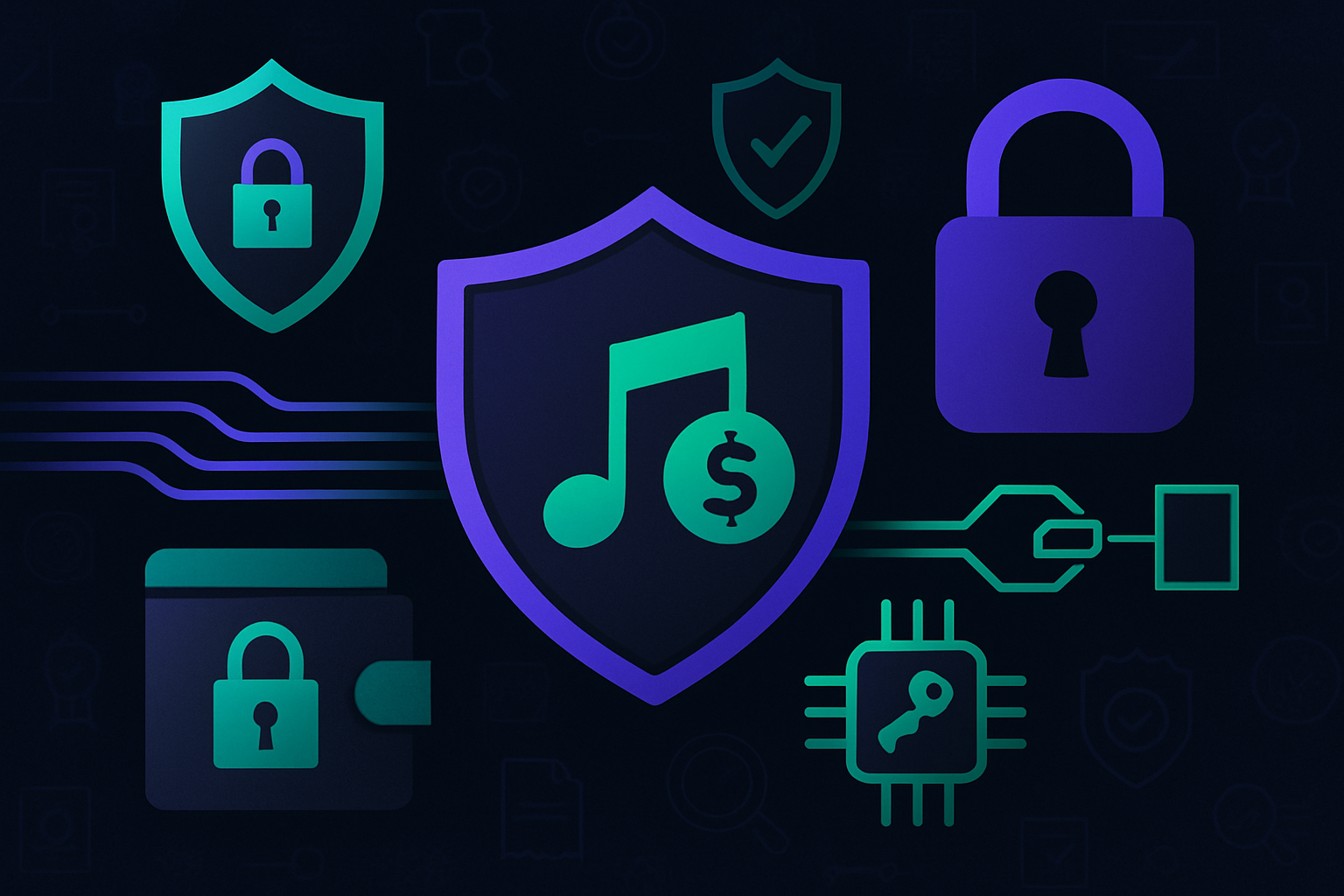
The backbone of this revolution is the smart contract, a self-executing digital agreement coded onto platforms like Ethereum. Instead of relying on human administrators (and their inevitable errors or biases), smart contracts instantly calculate each stakeholder’s share based on predefined splits between artists, producers, songwriters, and even fans holding fractional rights.
This automation means less time chasing payments or deciphering cryptic statements. Artists receive transparent reports that match actual streaming data, no more guesswork or lost income due to manual processing errors. Smart contract-driven systems are not only faster but also fairer; every participant can verify their payment history directly on the blockchain ledger.
If you want to dive deeper into how these automated splits are reshaping music revenue sharing for independent creators, see our guide on blockchain-powered automated royalty splits.
Fractional Ownership and Fan Engagement: The New Music Economy
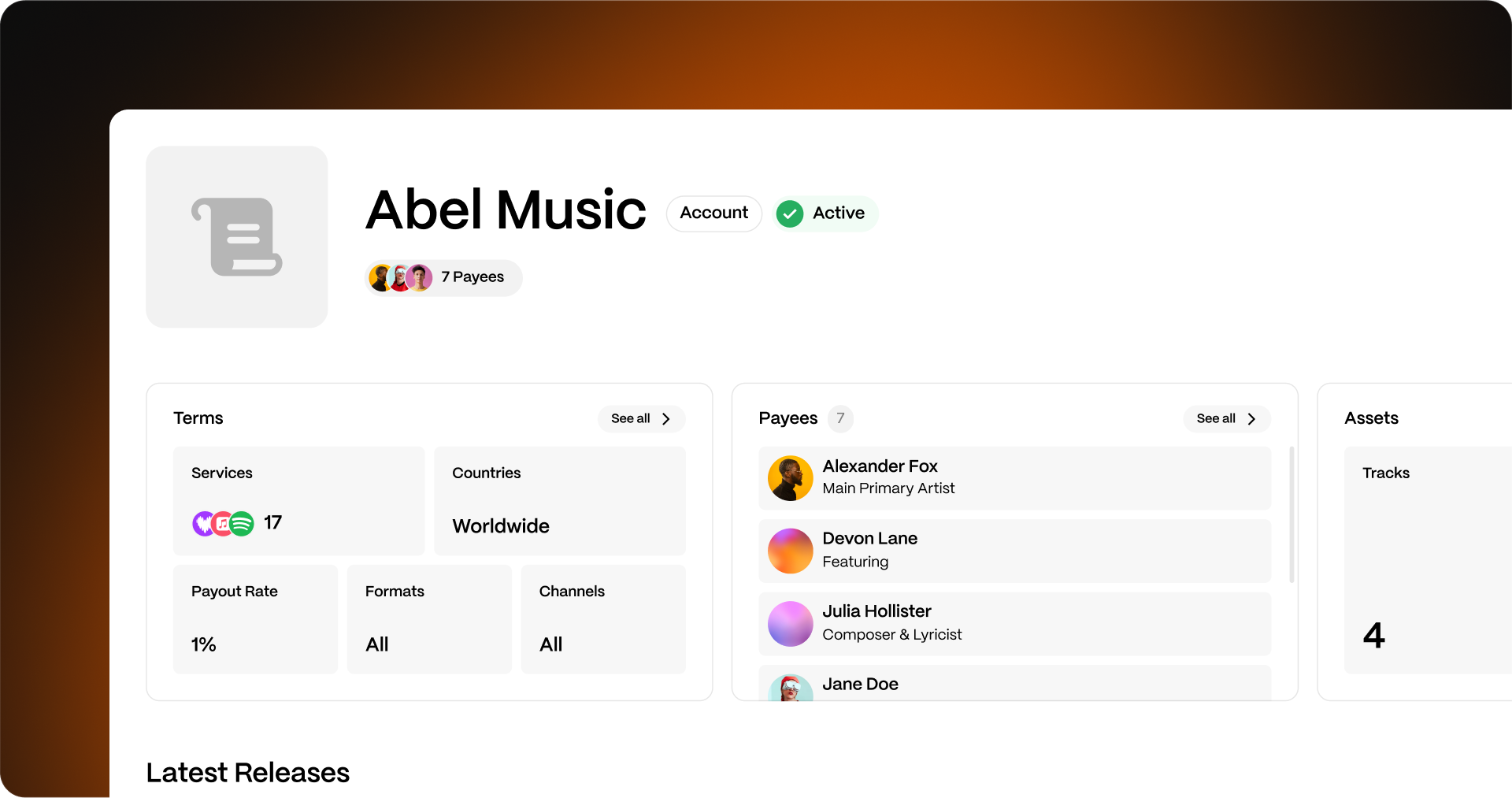
Perhaps most exciting is how blockchain unlocks new models of engagement between artists and fans through fractional ownership. Platforms such as Anotherblock allow musicians to tokenize their streaming rights as NFTs (non-fungible tokens), which fans can purchase in small fractions. This not only raises upfront capital for creators but also gives collectors a tangible stake in the song’s ongoing success.
The impact is twofold: artists enjoy immediate liquidity while fans become true partners in the journey. Every time a track earns royalties on Spotify or Apple Music, those micro-payments flow directly, and instantly, to NFT holders’ wallets based on real-world streaming data. This model redefines what it means to support your favorite artist, not just emotionally but financially.
The future of music ownership is here: transparent, participatory, and powered by code rather than contracts hidden away in filing cabinets.
Global adoption is accelerating. In South Africa, SoundChain’s on-chain royalty tracking has become a lifeline for amapiano and Afro-house artists who once struggled with piracy and opaque reporting. Now, they can log in and see verifiable, real-time financial data, no more waiting for quarterly statements or wondering if their streams are being counted accurately. This level of transparency is empowering artists worldwide to take control of their music careers with confidence.
For independent hip-hop creators and DJs, blockchain music royalties mean greater autonomy. Instead of negotiating with gatekeepers or accepting unfavorable advances, musicians can mint their own royalty-bearing NFTs or join platforms where payments are distributed as soon as a track is played. The result: improved cash flow, the ability to reinvest in new projects instantly, and the peace of mind that comes from knowing every cent is accounted for.
Challenges and What’s Next: Building Trust in a Decentralized Future
While instant payouts have become reality for many, the journey isn’t without obstacles. Regulatory clarity around digital assets remains patchy in some regions. Not every artist is familiar with crypto wallets or stablecoins like USDC, so onboarding and education are critical parts of this transition. Still, the trend lines are clear: platforms are racing to make interfaces intuitive and compliance seamless.
The next frontier? Interoperability between royalty platforms and global streaming services, so that no matter where your song plays, you get paid instantly and transparently. As these integrations mature, expect even more granular data analytics, customizable royalty splits at the click of a button, and new opportunities for fans to participate directly in the success of emerging artists.
For those ready to explore how tokenization empowers both creators and collectors alike, our feature on fractional ownership and instant royalty payments with music NFTs offers an in-depth look at this paradigm shift.
Why Instant Royalty Payouts Matter
The impact of music royalty automation 2025 goes far beyond speed. It’s about creative freedom, enabling artists to make bold moves without waiting for last quarter’s check to clear. It’s about trust, knowing that every stream is tracked by code rather than subject to human error or bureaucracy. And it’s about opportunity, opening up new ways for fans to support talent they believe in through on-chain investments.
The days of waiting months for royalties are ending. Blockchain-powered music royalty platforms 2025 are setting a new standard: fast, fair, transparent compensation as the norm rather than the exception. For musicians navigating an ever-evolving industry landscape, this shift isn’t just technical, it’s transformative.


No comments yet. Be the first to share your thoughts!