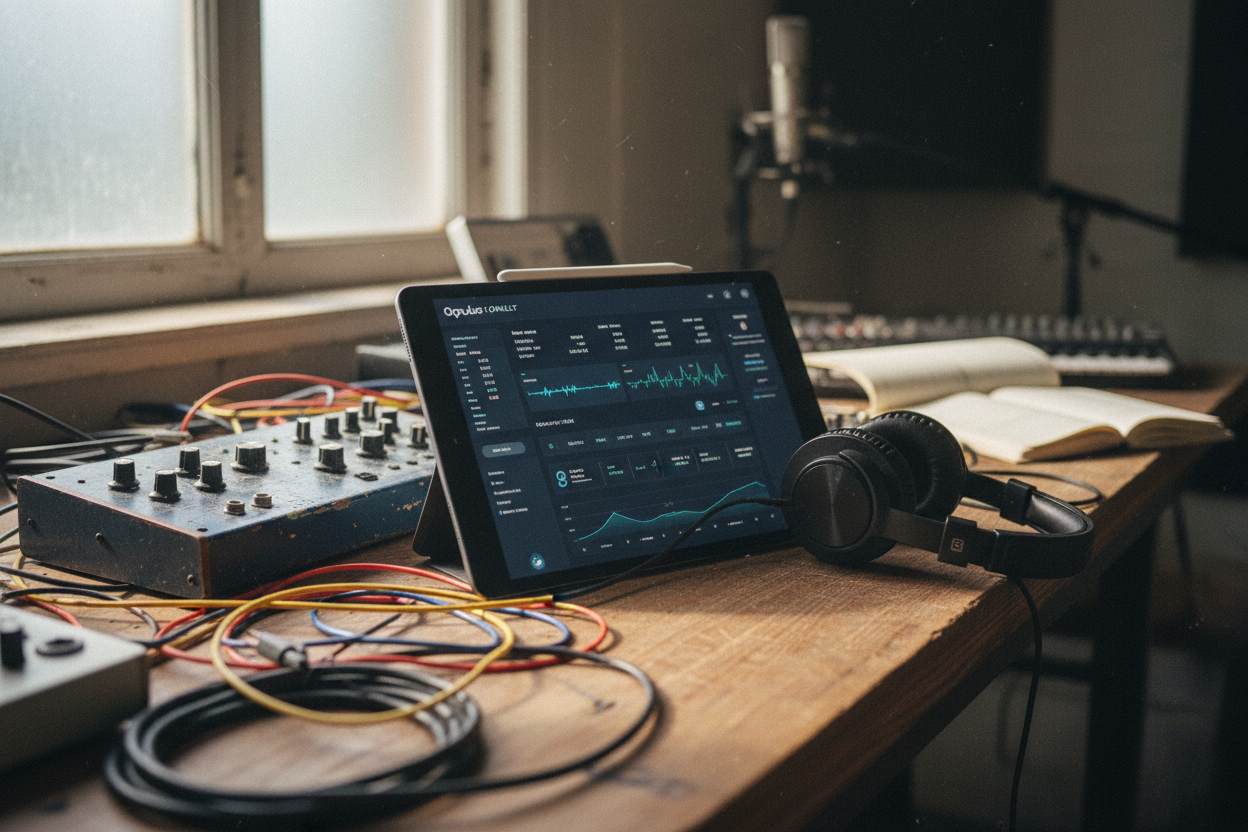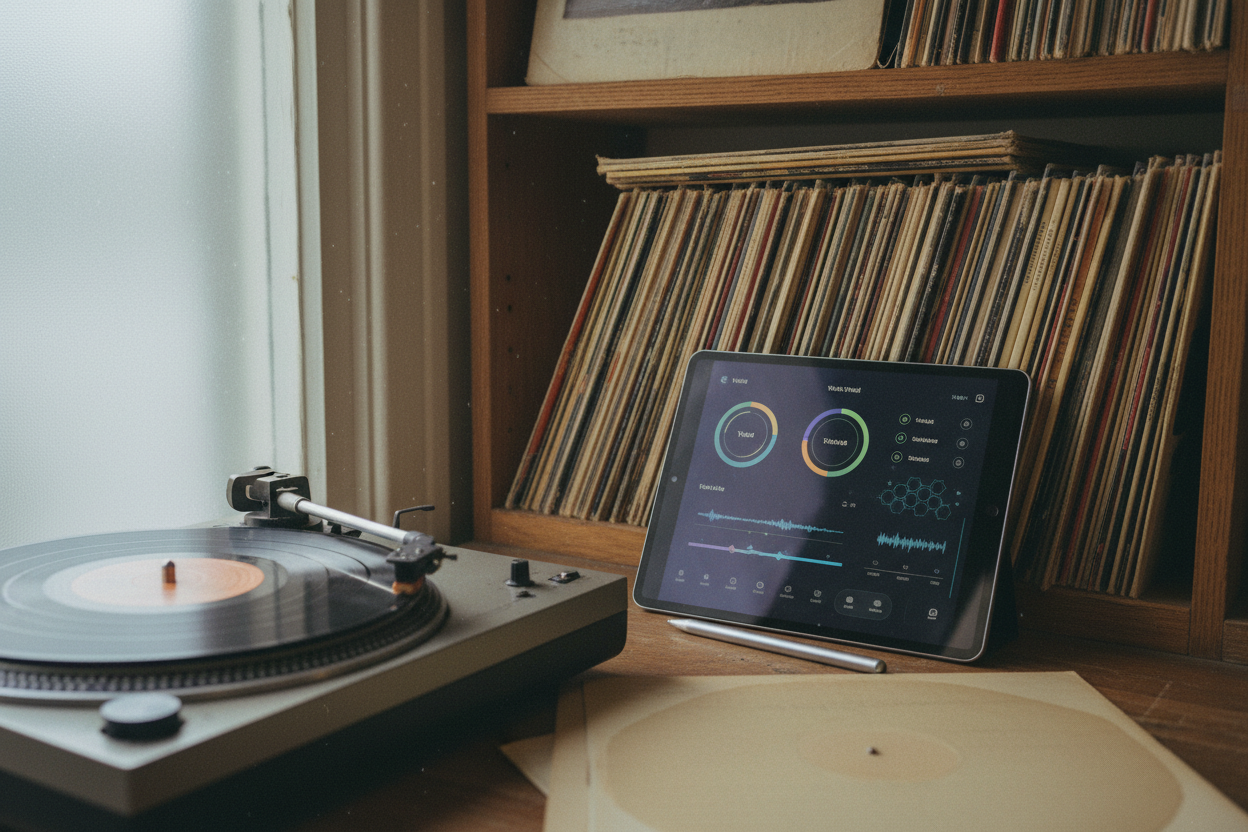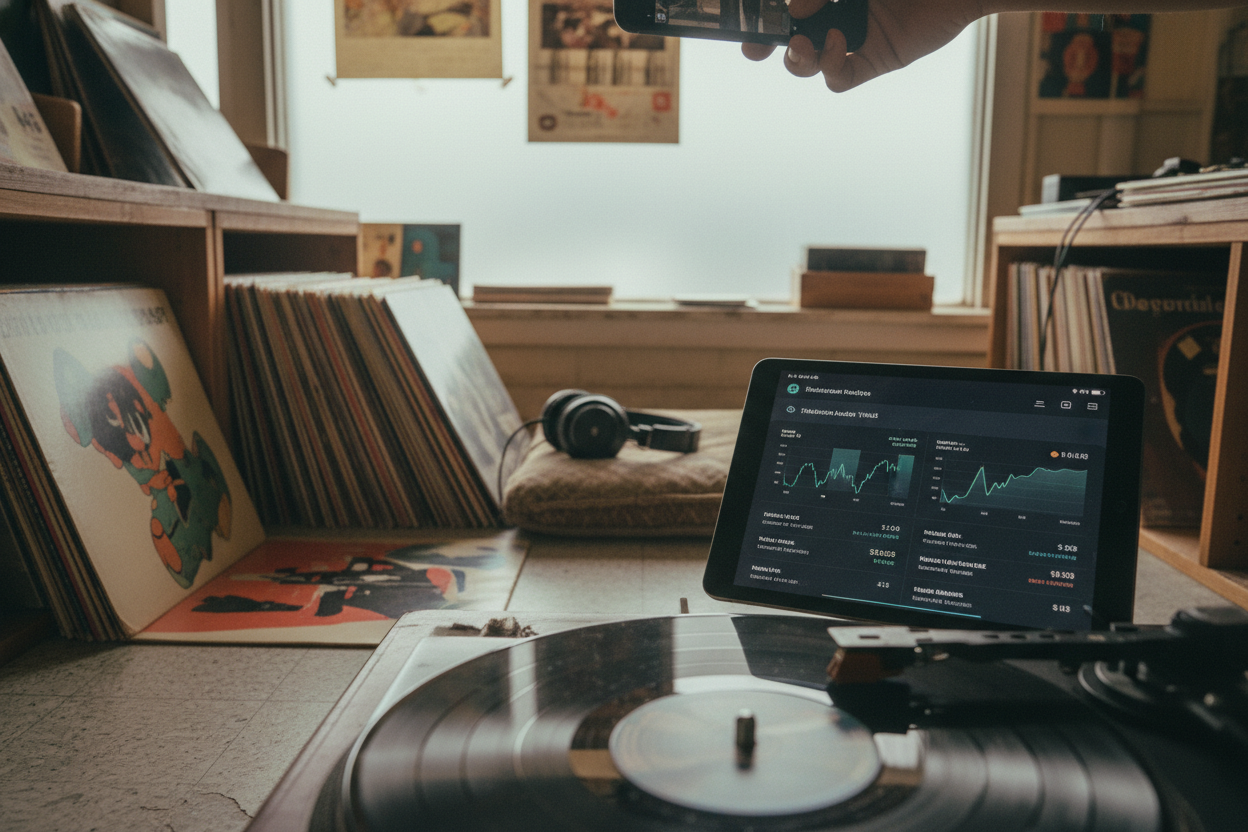

For decades, musicians have battled a frustrating reality: royalty payments that trickle in months after their music is streamed or sold. In 2025, this lag is rapidly becoming obsolete. Blockchain technology has upended the old system, replacing opaque accounting and endless intermediaries with real-time, on-chain royalty payments. The result? Artists are finally getting paid in seconds, not months.

From Months-Long Waits to Instant Royalty Payouts
Historically, music royalties have been subject to labyrinthine processes. Rights societies, publishers, distributors, and labels all took their cut before artists ever saw a cent. Payments were batched and delayed by manual reporting and reconciliation. For many independent musicians, this meant waiting three to six months, or longer, for streaming income that could make or break their next project.
Enter blockchain-based royalty platforms like Audius and Record Financial. By deploying smart contracts on high-performance chains such as Ethereum and Avalanche, these platforms aggregate streaming data in real time and execute automated payments the moment a song is played. This shift is seismic: on-chain royalty payments for artists are now measured in seconds rather than quarters.
The Mechanics of Real-Time On-Chain Solutions
The backbone of this transformation lies in smart contracts, self-executing code that automatically splits and distributes royalties according to pre-set terms whenever a track is streamed or downloaded. When a listener hits play on an NFT-backed song or streams via an on-chain platform, the system calculates each stakeholder’s share instantly. Funds are then delivered directly to digital wallets without human intervention.
This automation eliminates costly administrative overhead while ensuring accuracy and transparency at every step. Platforms like Avalanche (as highlighted by Avax. network) have built robust infrastructure capable of normalizing complex royalty data across multiple sources. The result is a music royalty transparency blockchain model that empowers artists with real-time visibility into their earnings.
Tokenization: Fractional Ownership Meets Liquidity
The benefits don’t stop at speed and transparency. The tokenization of music rights, where ownership shares are minted as NFTs or fungible tokens, has opened new paths for both creators and fans. Artists can now monetize future royalties by selling fractional stakes directly to supporters through platforms like Royal. This model creates immediate liquidity for musicians while giving fans a stake in the financial upside of tracks they love.
This democratized approach is reshaping how value flows in the industry. Not only do artists get paid faster via instant royalty payouts music, but they also gain unprecedented access to capital without giving up creative control, or waiting for quarterly checks from legacy organizations.
AI-powered smart contracts further refine this process. By leveraging machine learning for rights attribution and royalty calculations, platforms are able to resolve data discrepancies in real time and optimize payment flows with pinpoint accuracy. This means that even as tracks are remixed, sampled, or integrated into new digital experiences, every entitled party receives their share instantly.
For DJs and producers working in fast-moving genres like hip-hop or electronic music, the impact is transformative. Instead of chasing down payments or navigating outdated licensing structures, creators now benefit from a system that recognizes their contributions on-chain and compensates them automatically. This shift not only boosts cash flow but also encourages more experimentation and collaboration across the global music ecosystem.
Transparency: The End of Royalty Black Boxes
Transparency has long been elusive in the music industry. Artists often struggled to verify whether streaming numbers matched their reported earnings, or if intermediaries were taking more than their fair share. Blockchain’s immutable ledger changes this dynamic by making every transaction auditable and accessible to all stakeholders.
With blockchain music royalty platforms in 2025, artists can track revenue streams song-by-song and minute-by-minute. This visibility fosters trust between artists, labels, publishers, and fans, reducing disputes and empowering creators to make data-driven decisions about licensing and distribution strategies.
The Investor’s Angle: Music as a Liquid Asset
The rise of fractionalized music royalties has introduced new opportunities for investors seeking exposure to creative IP. Tokenized royalty shares can be traded on secondary markets much like stocks or other digital assets. For artists, this unlocks upfront funding; for investors, it offers access to an asset class with historically low correlation to traditional markets.
This liquidity is especially attractive in a digital-first world where streaming revenues are both predictable and scalable. Investors can diversify across genres, catalogs, or even individual tracks, building portfolios tailored to risk tolerance and musical taste.
The Road Ahead: Challenges and Opportunities
No revolution comes without hurdles. Regulatory clarity around tokenized IP remains a work in progress in many jurisdictions. Ensuring that smart contracts reflect complex rights arrangements, especially for legacy catalogs, requires ongoing collaboration between technologists, legal experts, and industry insiders.
Yet the momentum is undeniable. With platforms providing real copyright ownership on-chain and automated royalty splits becoming the norm (learn more here), the foundation has been laid for an era where creators are paid fairly, and immediately, for their work.
The future of blockchain music royalties 2025 is not just faster payments, it’s a new paradigm of transparency, empowerment, and financial inclusion for everyone who creates or invests in music. The days of waiting months for your share are over; with on-chain solutions leading the way, artists now own both their rights, and their revenue, in real time.
About the Author