Imagine pouring your soul into a track, uploading it to Spotify, and watching millions of streams trickle in while your bank account barely notices. Artists today face a stark reality: streaming giants like Spotify pay out as little as $0.003 to $0.005 per play, leaving even viral hits yielding peanuts after labels and distributors take their cut. But what if blockchain could flip this script? Tokenized music royalties offer a strategic lifeline, turning songs into tradeable assets through fractional music royalties blockchain models that deliver transparent, instant revenue sharing.
This isn't hype; it's a structural shift. Platforms are already proving it works, converting music rights into digital tokens that fans and investors can own fractions of. No more waiting 90 days for royalties or dealing with opaque calculations. Instead, every stream triggers on-chain payouts, democratizing access to music's earning potential.
Why Spotify's Model Leaves Artists Starving
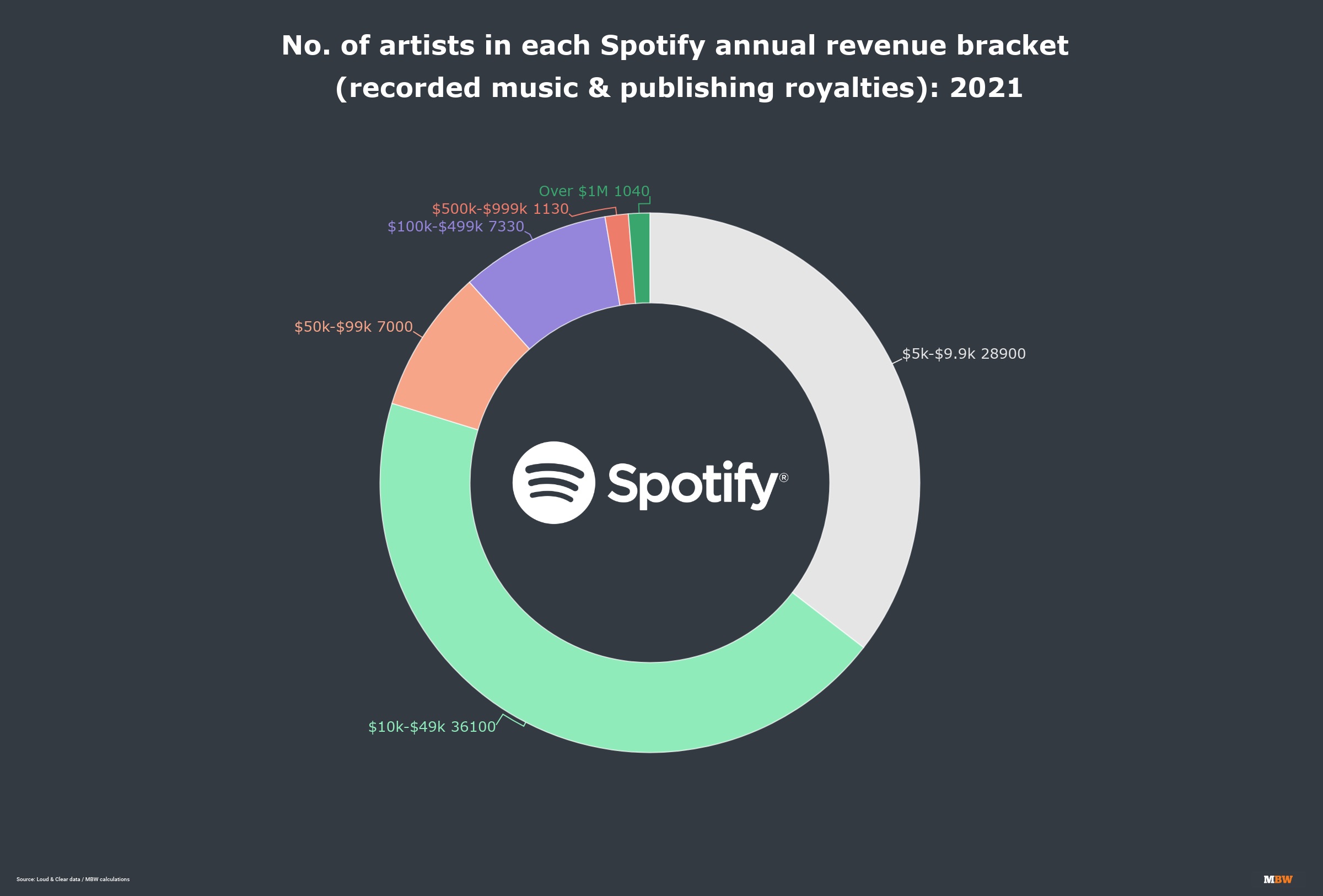
Streaming now dominates, with Spotify and Apple Music commanding the lion's share of revenue. Yet, payouts remain dismal. Indie creators often net under 30% of mechanical royalties due to publishing splits, and performance rights organizations add delays. Sources like Clockwork. app highlight how fractional ownership and tokenization are emerging as vital alternatives to these outdated systems.
Key Spotify Royalty Issues
- Low Per-Stream Rates: Artists earn ~$0.003-$0.005 per stream, needing billions of plays for substantial income.
- Delayed Payments: Royalties arrive quarterly or later due to slow PRO and label processing.
- Opaque Revenue Splits: Black-box allocation hides exact shares between labels, publishers, and artists.
- Label Dominance: Majors like Universal and Sony take 50-90% cuts, limiting artist control.
- Limited Investor Access: Music rights investment restricted to wealthy insiders and institutions.

The frustration boils over: artists fund tours and production out-of-pocket while platforms rake in billions. Blockchain steps in here, not as a gimmick, but as a precision tool for blockchain music revenue sharing. Tokenization records every transaction immutably, ensuring artists get their due without intermediaries skimming.
Tokenization: From Song to On-Chain Asset
At its core, tokenized music royalties convert ownership rights into blockchain tokens. Think of it as slicing a song's future earnings into 1,000 shares. Artists sell these via smart contracts, gaining upfront capital while buyers earn proportional streams. Zoniqx explains how this beats NFTs by enabling true fractional ownership in royalties, not just collectibles.
RWA. io emphasizes the magic: every royalty calculation lives on-chain, automating distributions. Chainlink's oracle tech verifies streams from Spotify itself, piping data into tokens for real-time payouts. No more black-box accounting; transparency builds trust and liquidity.
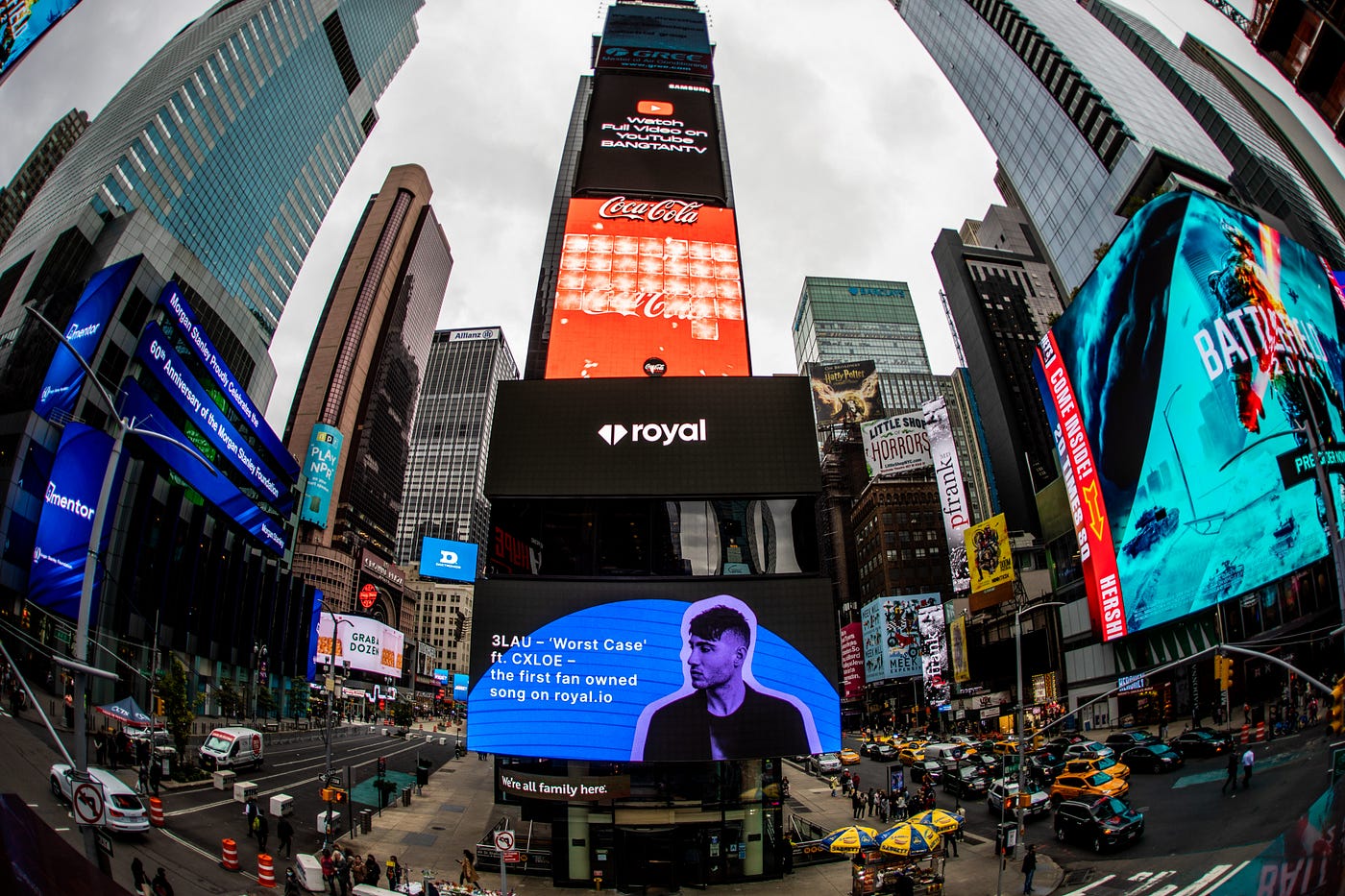
Platforms lead the charge. Royal. io, co-founded by 3LAU, lets fans buy song shares and collect royalties as tracks play. Anotherblock and Bolero follow suit, tokenizing rights for proportional investor returns. This model sidesteps Spotify's frailties, creating an alternative to Spotify royalties that's investor-friendly and artist-centric.
Fractional Ownership Fuels Strategic Investing
Why does this matter strategically? Fractional music royalties blockchain lowers barriers. Previously, music rights were playgrounds for whales; now, $10 buys you a slice of a hit. Making A Scene! dives into the economics: revenue-sharing NFTs reshape royalties, blending speculation with steady cash flow.
Investors eye diversified portfolios. Tokenized assets trade on marketplaces like Music Royalty Markets, mirroring stocks but with music's cultural upside. Artists fund albums without debt, fans deepen bonds by owning 'their' song's success. Spydra notes investor perks: liquid assets, automated yields, global reach.
BitSong and Mitosis University showcase real-world wins, from minting tracks as NFTs to decentralized platforms revolutionizing ownership. Built In lists 17 blockchain music examples, proving equitable payments are here. As Fadai Mammadov argues on Medium, tokenization fractionalizes rights, making assets accessible and liquid.
Diving deeper, smart contracts enforce rules: a stream on Spotify triggers micropayments to token holders instantly. This precision solves the 'missing 28% publishing payouts' indie artists face, as explored in blockchain analyses. The result? Sustainable careers built on innovation, not charity streams.
Real-world adoption underscores this potential. Take Royal. io: artists like Nas and The Weeknd have tokenized tracks, letting fans invest in hits and share streaming success. Cointelegraph reports how this model rivals Taylor Swift's catalog value, proving music royalties NFT trading isn't niche anymore. Platforms like Anotherblock tokenize stems and masters, distributing royalties via blockchain for precision no PRO can match.
Platforms Driving the Shift
Strategic players are building ecosystems around this. Music Royalty Markets stands out, offering a marketplace for buying, selling, and trading these assets with blockchain security. Users fractionalize royalties into tokens, trade them fluidly, and track performance transparently. It's the hub for blockchain music revenue sharing, blending NFT appeal with real yield.
Anotherblock focuses on indie tracks, letting buyers own publishing shares. Bolero targets classical and catalog music, appealing to yield-hungry investors. BitSong mints NFTs with embedded royalties, while decentralized setups from Mitosis University ensure no single point of failure. These aren't experiments; they're scaling, with Zoniqx and RWA. io detailing how on-chain cash flows outpace traditional deals.
Top Tokenized Music Royalty Platforms
- Royal.io: 3LAU's platform for fan ownership, letting supporters buy fractional shares in songs and earn streaming royalties.
- Anotherblock: Specializes in stem fractionalization, tokenizing individual song elements for investor ownership and payouts.
- Bolero: Focuses on catalog investments, enabling fractional ownership in music rights via blockchain tokens.
- Music Royalty Markets: NFT trading hub for music royalties, allowing buying, selling, and trading tokenized rights.
- BitSong: Blockchain for Music NFTs with built-in royalties, minting tracks as tradeable assets with revenue shares.
For artists, upfront liquidity trumps sporadic Spotify checks. Sell 20% of a track for $50,000, fund the next release, retain control. Investors get diversified exposure: a portfolio of 50 tokens hedges hits and misses, with liquidity via secondary markets. Spydra highlights global access, no accreditation needed. Making A Scene! crunches numbers: tokenized rights yield 8-15% annually, beating many bonds while riding music's virality.
Risks and Strategic Mitigation
No revolution lacks hurdles. Market volatility affects token prices, and regulatory gray areas loom. Yet, smart strategies prevail: diversify across genres, focus on proven catalogs, use oracles like Chainlink for verified streams. Built In's 17 examples show maturing tech curbing fakes and delays. Artists mitigate by retaining majority stakes; investors by DYOR on track history.
Compared to Spotify's $0.003-0.005 per play, tokenized models compound value. A million streams? Traditional: $3,000 split thin. Tokenized: instant pro-rata to holders, plus resale upside. Fadai Mammadov nails it: fractionalization unlocks liquidity, turning illiquid rights into tradeable gold.
Getting started demands savvy. Scout platforms via Music Royalty Markets, verify contracts, start small. Artists: partner with tokenizers for legal splits. This ecosystem empowers direct fan economies, where loyalty translates to shared wins.
Blockchain doesn't just solve low payouts; it rearchitects music economics. Indies reclaim power, investors tap uncorrelation, platforms like Royal. io prove scalability. As streaming plateaus, fractional music royalties blockchain emerges as the enduring alternative to Spotify royalties, fusing creativity with capital. The chart-toppers of tomorrow will own their futures on-chain.


No comments yet. Be the first to share your thoughts!