
Spotify streams power the modern music industry, generating billions in revenue annually, but artists capture only a fraction after labels, distributors, and platforms take their cut. Enter blockchain tokenization: a game-changer that converts those elusive Spotify streams into blockchain assets, specifically tokenized music royalties. This process breaks royalty rights into digital shares, enabling fractional music royalty ownership and turning passive listening into active investment opportunities. Fans and investors alike can now trade music royalties as NFTs or tokens, sharing in real revenue from plays on Spotify, Apple Music, and beyond.


Traditional music royalties suffer from opacity and delays. Artists wait months for payouts, grappling with complex PROs like ASCAP or BMI, while intermediaries skim hefty fees. Spotify pays roughly $0.003 to $0.005 per stream, but after splits, creators might net even less. Blockchain flips this script by recording every stream-triggered royalty on an immutable ledger, automating distributions via smart contracts.
Decoding the Tokenization Process
Tokenization starts with an artist’s master rights or publishing catalog. Using platforms like Royal. io or Artyfile, creators mint NFTs or ERC-20 tokens representing fractions of future royalties. Each token embodies blockchain music revenue shares, tied directly to streaming data feeds. For instance, Royal. io lets artists sell shares in specific tracks, where buyers earn proportional royalties from global streams and sync deals.
Thanks to Web3 and blockchain technology, musicians can now tokenize their songs – breaking them into small digital shares that can be sold. (Source: makingascene. org)
Smart contracts handle the heavy lifting: they pull verified stream counts from oracles, calculate earnings, and disburse them instantly in stablecoins or tokens. This eliminates middlemen, boosts transparency, and provides liquidity. No longer locked in illiquid catalogs, tokenized assets trade on marketplaces like Music Royalty Markets, where fractional shares start at accessible price points.

Bridging Streams to Tradable Assets
Consider a track racking up 1 million Spotify streams. Under legacy systems, royalties trickle down slowly. With tokenization, those streams trigger on-chain events. Platforms integrate with DSP APIs or blockchain oracles to log plays, converting them into token value. Artyfile, for example, offers shares at 1% master rights ownership, paying out from streams across 150 and platforms at rates up to 10x Spotify’s – €0.03 to €0.20 per stream.
Investors benefit from diversified portfolios. Build exposure to rising indie acts or catalog hits without buying whole songs. ANote Music democratizes this further, opening royalty portfolios to retail players once dominated by labels. As blockchain tokenization turns low Spotify royalties into tradable fractional assets, liquidity surges; tokens list on DEXs, enabling 24/7 trading.
🪙 The Future of Tokenization on Base 💡
1️⃣ What Is Tokenization?
Tokenization means turning real-world assets — like art, real estate, or music — into digital tokens on the blockchain.
Each token represents ownership, access, or value that can be traded globally
2️⃣ Why Base Is Perfect for It ⚡
Built on Optimism’s OP Stack and secured by Ethereum, Base offers:
✅ Low fees — easy entry for creators and investors
✅ Fast transactions — instant transfers and ownership updates
✅ Transparency & security — every asset traceable on-chain
3️⃣ Real-World Impact 🌍
Imagine
🎨 Artists tokenizing music and earning royalties directly
🏠 Real estate owners selling fractional property shares
💼 Businesses raising funds through tokenized equity
Base makes this accessible, affordable, and scalable.
4️⃣ Why It Matters 💭
“Tokenization is not the future — it’s the bridge between the physical and digital economy.
Real-World Platforms Driving Adoption
Royal. io exemplifies the shift: artists auction NFT shares, fans bid to own pieces of hits, earning passive income as streams climb. Zoniqx and BitSong push boundaries with Music NFTs, minting tracks as unique assets for secondary markets. RWA. io highlights on-chain cash flows: every transaction, royalty calc, and ownership transfer etched transparently.
This model empowers emerging talent. Indie creators bypass label advances, raising capital upfront by selling fractional music royalty ownership. Investors eye undervalued gems, much like early equity picks. Yet risks persist: market volatility and regulatory scrutiny demand due diligence. Still, with decentralized streaming rising – think Audius or similar – tokenized royalties align incentives across the ecosystem.
Read more on how blockchain is transforming music royalties into tradeable assets.
While the promise shines bright, tokenized music royalties aren’t without hurdles. Streaming data oracles can falter, introducing discrepancies between reported plays and payouts. Regulatory landscapes vary; the SEC eyes some tokens as securities, potentially curbing growth. Yet these challenges pale against the inefficiencies of old systems, where artists forfeit up to 70% in fees and delays. Blockchain’s transparency acts as a bulwark, verifiable ledgers fostering trust in fractional music royalty ownership.
Navigating Risks and Rewards
Investors must weigh volatility: a track’s streams can spike with virality then fade, mirroring stock swings. Diversification mitigates this; platforms like ANote Music let you assemble portfolios across genres and eras, echoing traditional asset allocation. Returns vary, but sources peg average yields at 8-15% annually for established catalogs, outpacing many bonds. Blockchain music revenue shares also unlock secondary markets, where tokens trade premiums based on projected hits.
Investors gain fractional ownership in music assets through tokenized music models. They receive real-time royalty income, liquidity in traditionally illiquid markets. (Source: Spydra)
Artists gain upfront liquidity without debt. Selling 20% of royalties funds tours or production, retaining creative control. Fans evolve from consumers to stakeholders, their investments fueling the music they love. This symbiosis could reshape streaming economics, pressuring platforms like Spotify to innovate or risk obsolescence.
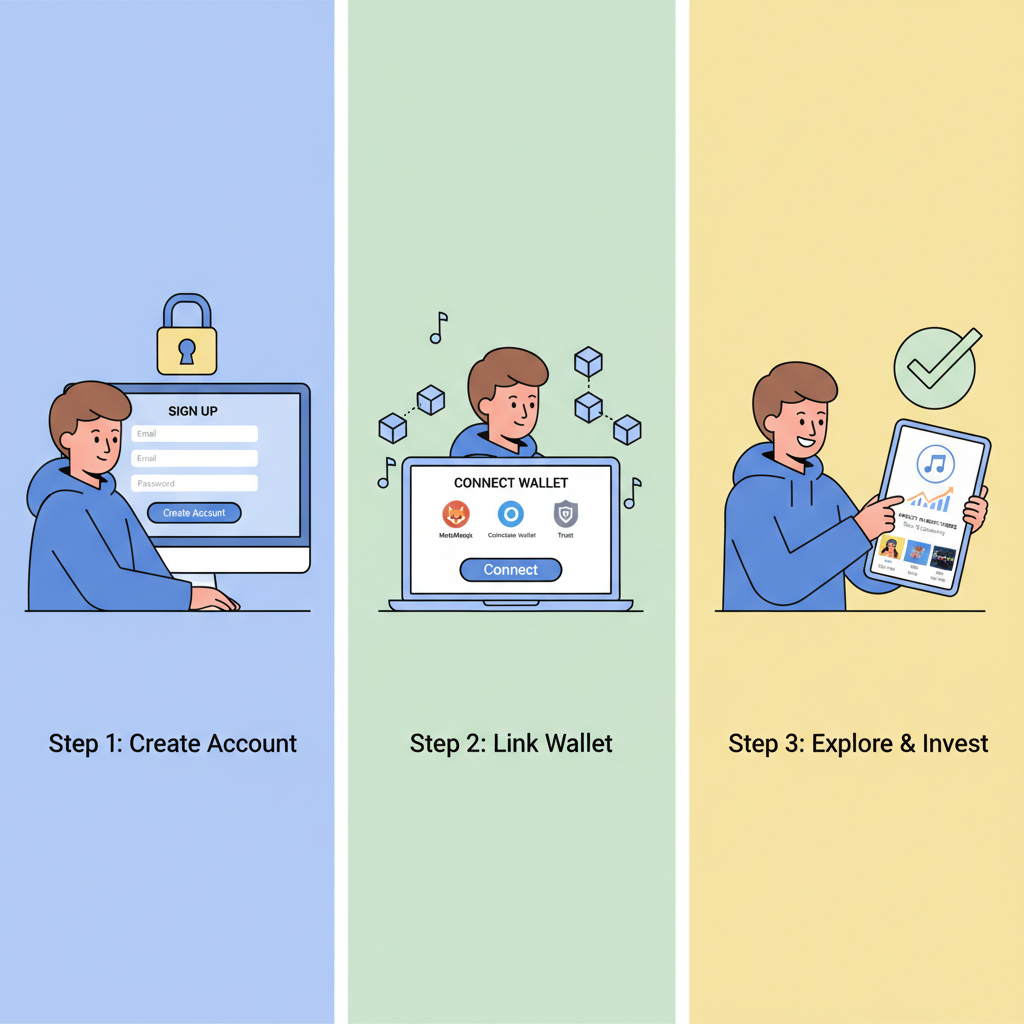
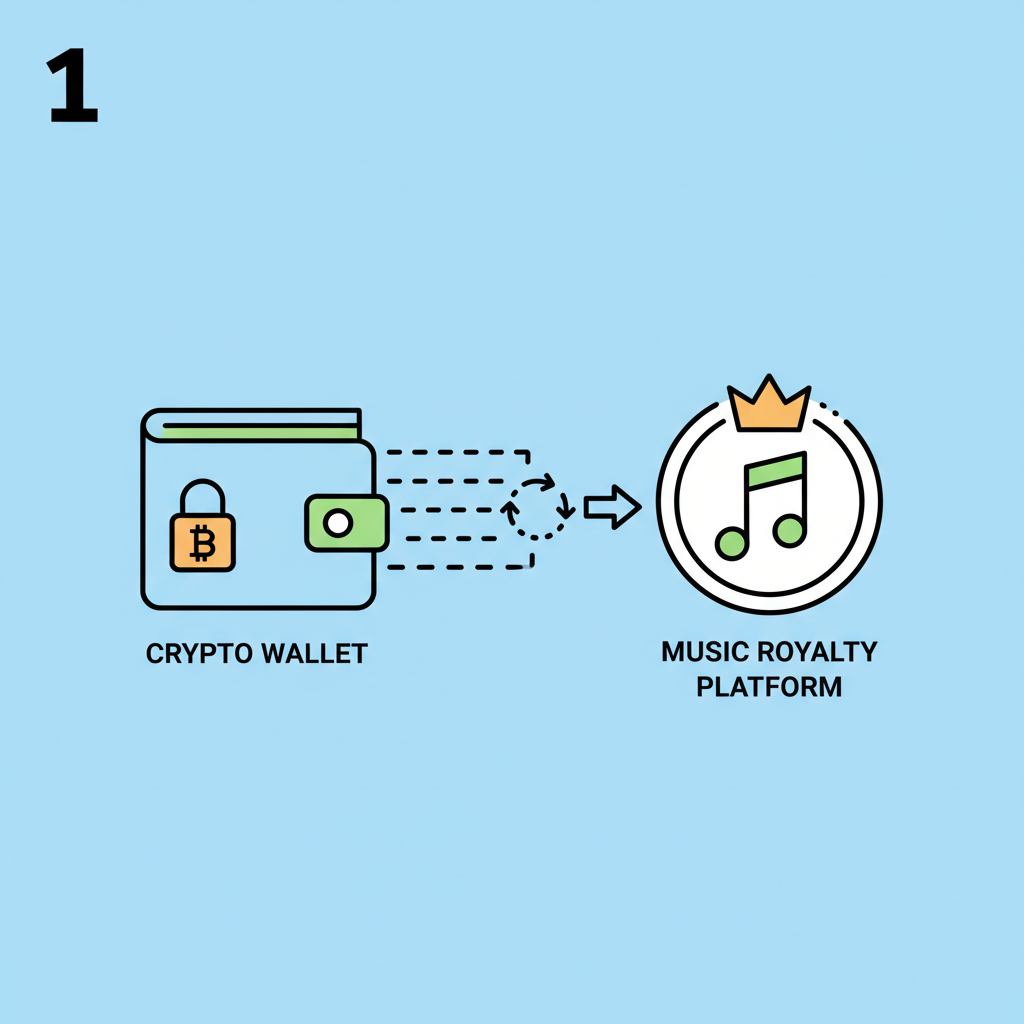
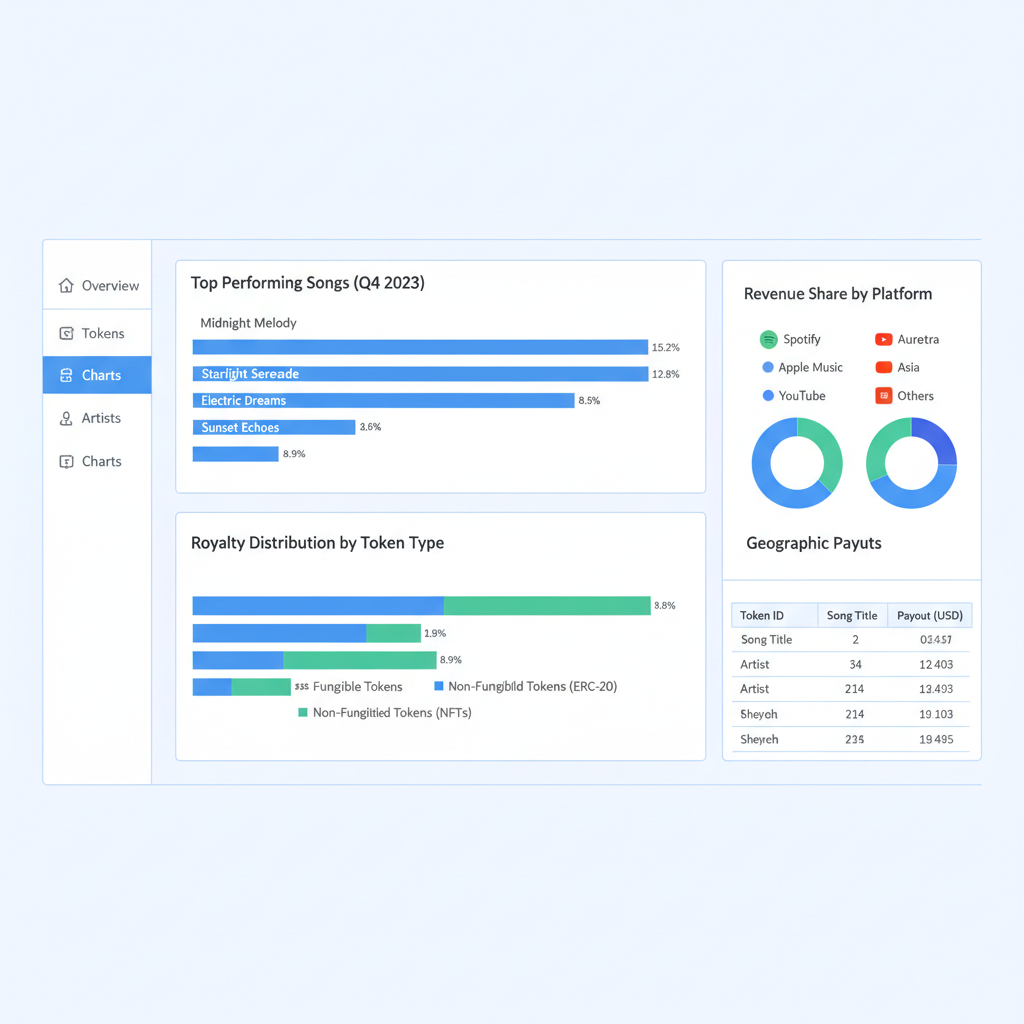
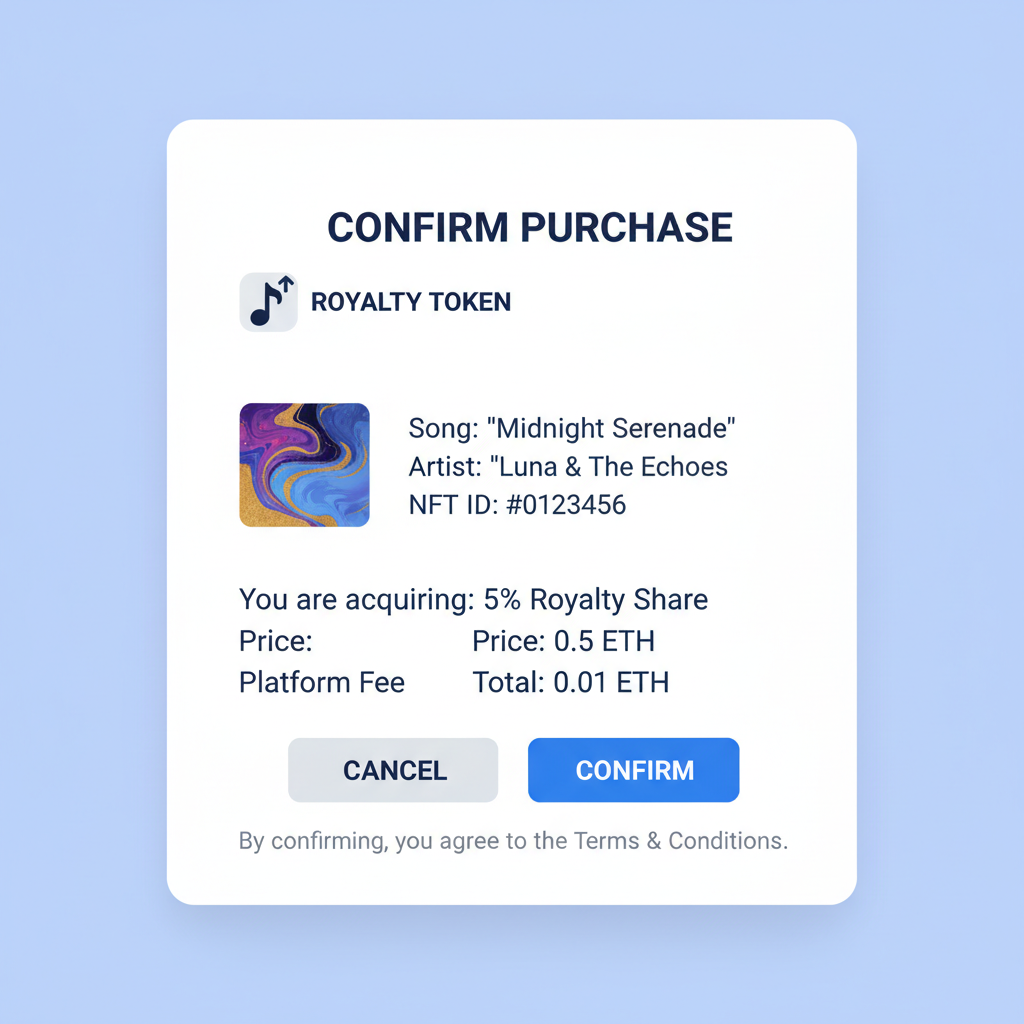
5 Steps to Buy Tokenized Music Royalties on Royal.io
Getting Started with Royalty Investments
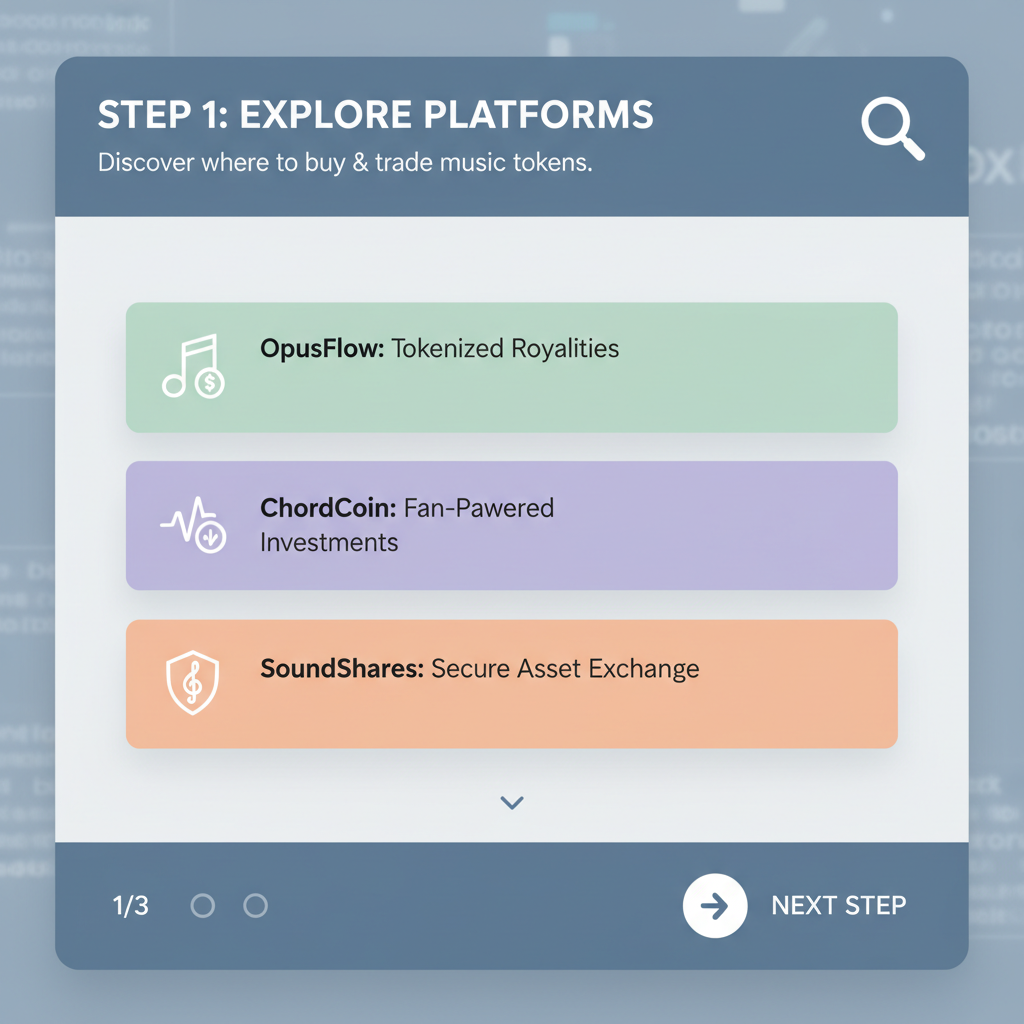
Platforms proliferate, each with nuances. Royal. io auctions track shares as NFTs, blending collectibility with income. Artyfile emphasizes high-payout streams, distributing to over 150 services while minting ownership NFTs. BitSong integrates Music NFTs for seamless trading, while Zoniqx focuses on fan-investor bridges. Music Royalty Markets stands out for its blockchain-native marketplace, specializing in on-chain royalty trading tailored to musicians and investors.
Dive deeper into how to buy and sell tokenized music royalties on blockchain marketplaces. Here, fractional shares trade frictionlessly, with smart contracts ensuring Spotify streams blockchain integration turns plays into payouts. Decentralized exchanges amplify liquidity, secondary sales capturing appreciation as tracks endure.

This accelerates every part of the music industry. https://t.co/AjMGlhJ3ZJ
Real-time royalties redefine creator economics. BitSong’s model mints tracks as NFTs, royalties flowing instantly sans intermediaries. Guardarian notes top decentralized streamers like Audius enhance this, direct artist-fan payments bypassing DSP cuts. By 2025, BlockchainX forecasts tokenized music dominating Web3 entertainment, fractional tokens ubiquitous.
Tokenization democratizes access. No longer insider games, trade music royalties NFT style welcomes retail players. Yet success hinges on due diligence: audit platform audits, track provenance, model cash flows. Tools like on-chain analytics demystify performance, empowering informed bets.
Forward thinkers spot alpha in undervalued indies. A niche track tokenizing today could yield outsized shares tomorrow, much like spotting early crypto gems. Platforms evolve rapidly; watch for AI-driven stream predictions boosting valuations. As blockchain matures, tokenized music royalties cement as portfolio staples, blending passion with profit in the streaming era.
About the Author