
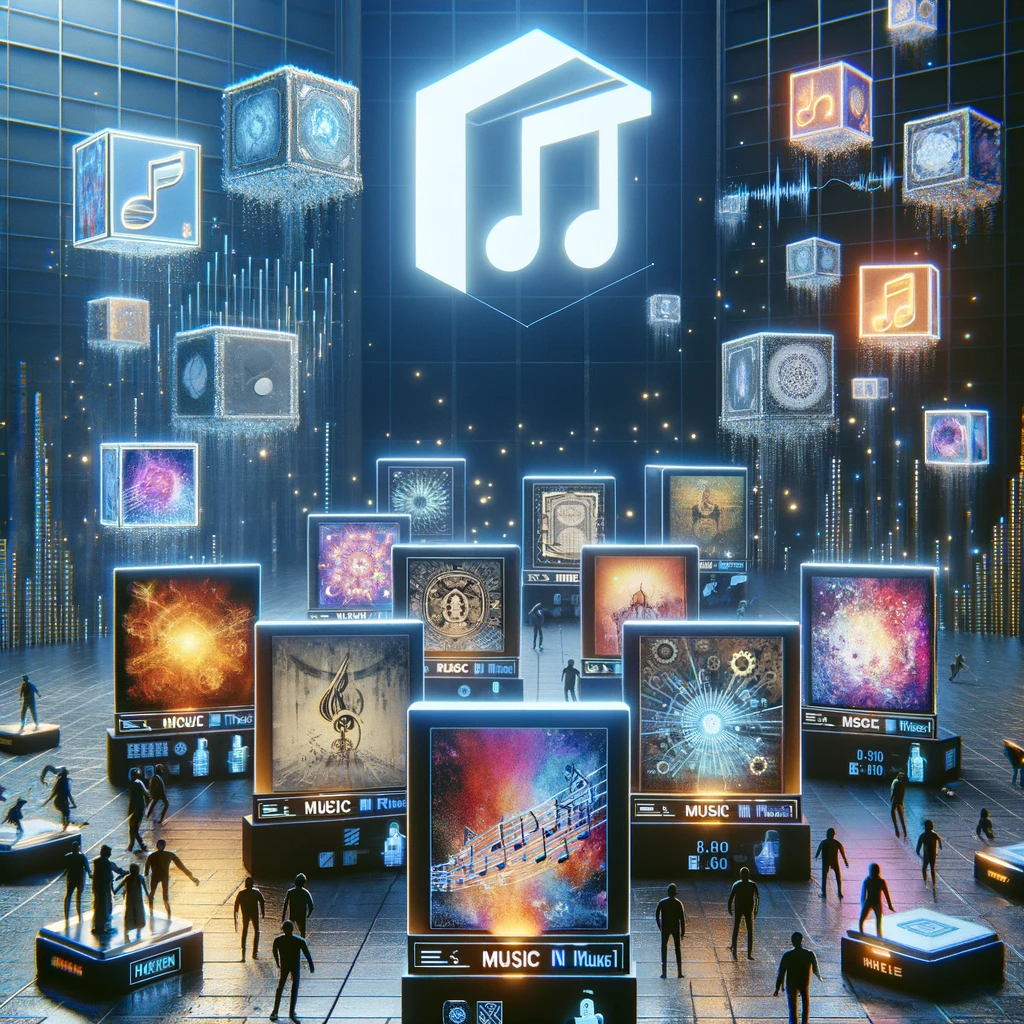
Imagine owning a slice of your favorite song’s future earnings – not as a distant dream, but as a blockchain-verified reality. This is the promise of tokenized music royalties, a rapidly evolving innovation that is redefining how artists, fans, and investors interact with music as an asset. Through blockchain technology, music rights are transformed into digital tokens, allowing for transparent, fractional ownership and on-chain royalty payouts with unprecedented efficiency.
From Royalties to Tokens: How Fractional Music Ownership Works
The heart of tokenization lies in converting traditional royalty streams into digital assets. Instead of waiting years for royalty checks to trickle down from record labels or collection societies, artists can now split their royalty rights into hundreds or thousands of pieces – each represented by a unique token on the blockchain. These music royalty tokens are then offered to fans or investors, who purchase them to secure a share in the future revenue generated by the song or album.
This process democratizes access to an asset class once reserved for industry insiders. Whether you’re a fan looking to support an emerging artist or an investor seeking portfolio diversification beyond stocks and real estate, fractional music royalties open up new possibilities for engagement and income.
The Role of Blockchain: Automated Payments and Transparent Tracking
What sets tokenized royalties apart from legacy models is the use of smart contracts – self-executing programs that run on the blockchain. Every time a track earns money through streaming, licensing, or sales, these smart contracts automatically calculate and distribute payments to token holders based on their ownership percentage. The result? On-chain royalty payouts that are transparent, traceable, and nearly instantaneous compared to traditional systems bogged down by intermediaries and paperwork.
This level of automation not only reduces administrative overhead but also builds trust among all parties. Every transaction, ownership transfer, and payout is recorded immutably on the blockchain ledger – creating an auditable trail that benefits both creators and collectors.
Pioneering Platforms: Where Tokenized Music Royalties Are Traded
A growing roster of platforms now enables artists to launch their own music NFT drops or offer shares in their catalogues directly to the public. For example:
- Royal. io: Co-founded by DJ 3LAU, Royal. io lets artists sell streaming royalty rights as tokens. Rapper Nas famously used Royal. io to let fans own part of his streaming revenues.
- Anotherblock: Specializes in turning master streaming rights into tradable NFTs; notable collaborations include The Weeknd and R3hab.
- Bolero: Focuses on master recording rights and underlying IP; NFT holders receive payouts from multiple revenue streams including sync placements and physical sales.
You can learn more about how these mechanisms work in our deep dive: How Blockchain Enables Fractional Ownership of Music Royalties.
The Benefits: Direct Funding and New Investment Frontiers
The advantages ripple outwards from creators to collectors:
- For Artists: Tokenization offers immediate funding options without ceding creative control to labels. By selling future royalties up front, artists gain working capital while retaining long-term upside.
- For Fans and Investors: Music NFTs transform listeners into stakeholders. Not only do they gain potential passive income from royalty flows but also enjoy deeper engagement with the artists they support.
- Diversification: For investors seeking alternatives uncorrelated with stock markets or crypto prices alone, music royalties present a compelling proposition within modern portfolios.
At the same time, blockchain music ownership isn’t without its complexities. Participants must navigate legal frameworks that vary by jurisdiction and asset type. For instance, ensuring that all rights underlying a tokenized asset are clear and enforceable is crucial for both compliance and investor confidence. Some platforms offer due diligence reports or legal vetting as part of their onboarding process, but it’s wise to do your own research before committing capital.
Another key consideration is market volatility. The value of music royalty tokens can fluctuate based on streaming performance, artist popularity, and broader sentiment in the NFT and crypto markets. While some catalogues offer stable, predictable cash flows, others may be more speculative. As with any alternative asset, diversification remains a prudent approach – spreading exposure across multiple tracks or artists can help smooth out income variability.
Risks and Realities: What to Know Before You Invest
Technological barriers are another hurdle for newcomers. Navigating digital wallets, smart contract interfaces, and decentralized marketplaces can feel daunting at first. However, as user experience improves and educational resources expand, entry points are becoming more accessible even for non-crypto natives.
Despite these challenges, the momentum behind tokenized music royalties continues to build. As regulatory clarity improves and platforms mature, expect to see greater adoption among both established artists and up-and-coming creators seeking new ways to fund their careers.
Looking Ahead: The Future of Music Royalty Tokens
The ongoing evolution of music royalty tokens is already reshaping the relationship between artists and audiences. By lowering barriers to entry for both sides – creators seeking funding and fans looking to invest – tokenization is democratizing an industry long dominated by intermediaries.
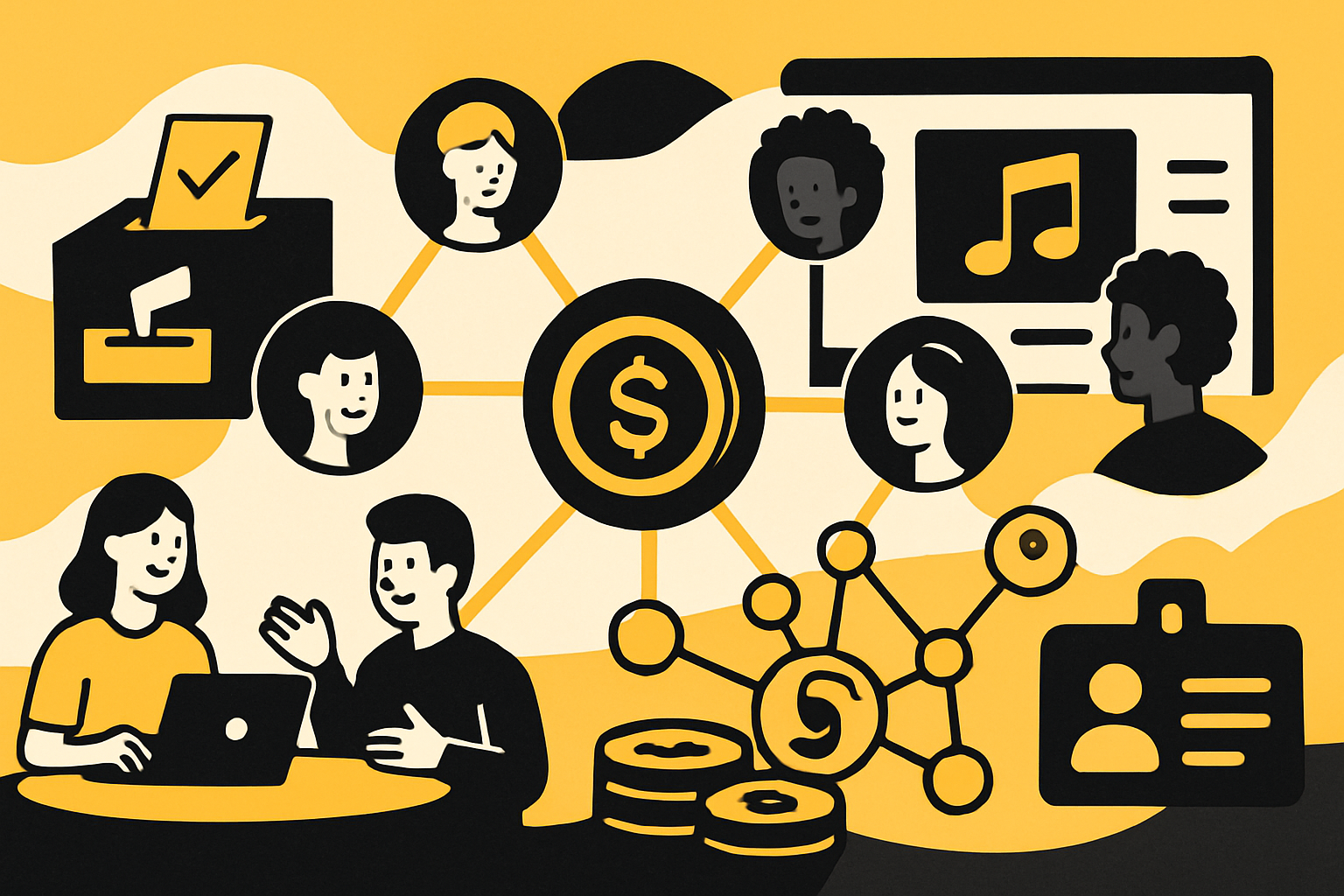
This shift also paves the way for new forms of engagement: fan-driven A and R (artists and repertoire), community-powered music launches, even governance models where token holders vote on creative decisions or release strategies. The transparency of on-chain royalty payouts means everyone involved can track performance in real time – a level of insight rarely available in traditional music finance.
If you’re ready to explore this frontier yourself – whether as an artist seeking direct funding or an investor searching for uncorrelated yield – understanding the mechanics of blockchain-based fractional ownership is essential. For further insights into how blockchain is transforming music royalties into tradeable assets, check out our guide here.
The intersection of blockchain technology and creative IP is still young but rapidly maturing. With every new drop or marketplace innovation, we move closer to a world where anyone can invest in – or help fund – the next big hit song from anywhere on the globe. The future of music ownership is not just digital; it’s participatory.
About the Author