

Imagine owning a piece of your favorite song, not just as a collectible, but as a real stake in its financial future. That’s the promise behind Music Fungible Tokens (MFTs), a new breed of blockchain-based assets that are shaking up how fans, investors, and artists interact with music rights. In the world of music royalties, MFTs are quickly becoming the bridge between creative talent and global markets, making music rights investment accessible, transparent, and engaging for everyone.
What Are Music Fungible Tokens (MFTs)?
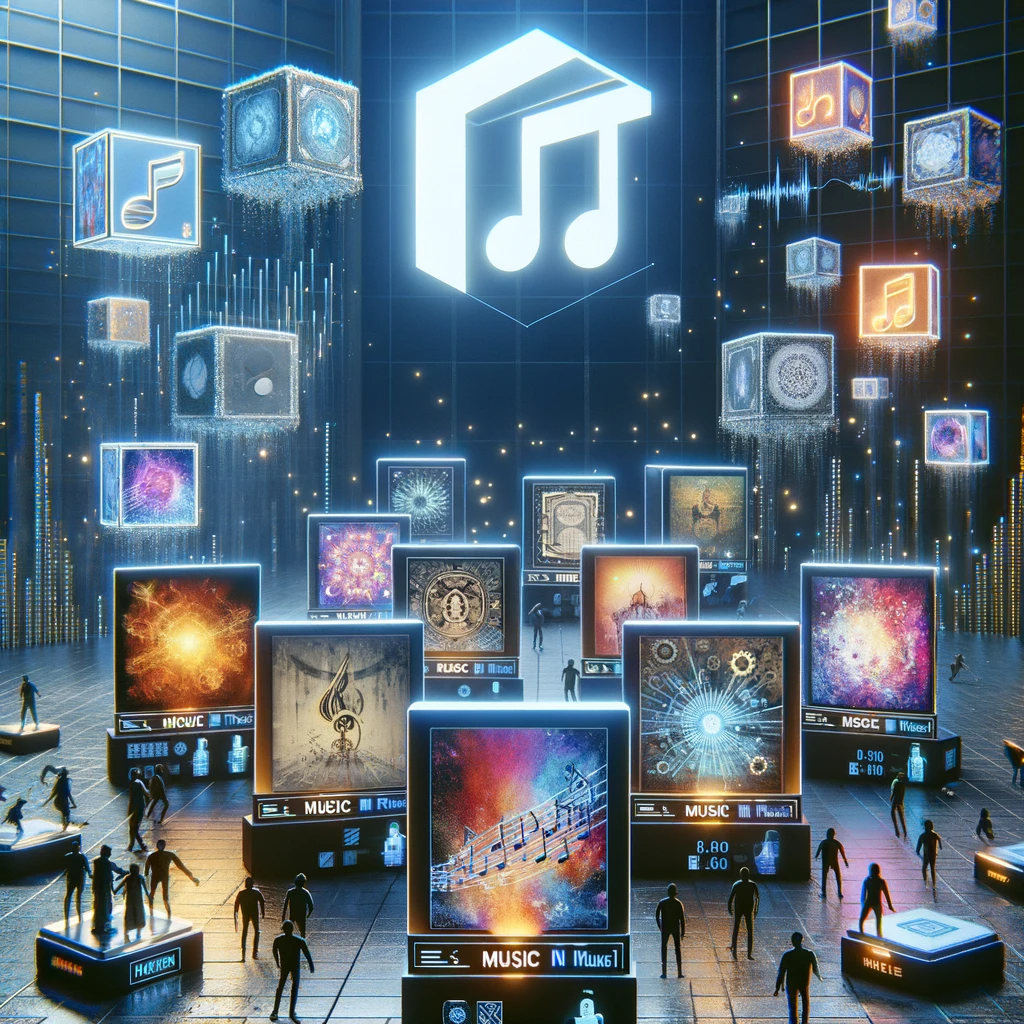
At their core, MFTs are digital tokens representing fractional ownership of music royalties. Unlike NFTs, which are unique and indivisible, MFTs are fungible, meaning each token is identical and interchangeable. This makes them easier to trade and provides liquidity much like traditional securities or cryptocurrencies.
The innovation here is more than technical; it’s cultural. For decades, access to music royalties was limited to record labels or high-net-worth individuals willing to navigate opaque contracts. Now, thanks to platforms like Opulous, anyone can invest in an artist’s future earnings by purchasing MFTs, tokens that are often SEC-compliant and backed by actual copyright revenue streams.
How Opulous Is Leading the Charge
Opulous has emerged as a pioneer in this space by offering MFTs that represent direct claims on music royalties. Through its blockchain-powered platform, Opulous enables artists to tokenize portions of their future royalty income. Fans and investors can then purchase these tokens in limited quantities, each one representing a proportional share of streaming revenue, downloads, or licensing fees generated by the underlying tracks.
This isn’t just about new technology, it’s about democratizing access. Artists no longer have to rely solely on record labels for upfront funding; instead, they can raise capital directly from their audience while keeping creative control. Meanwhile, fans get a chance to financially participate in an artist’s journey, and potentially earn rewards as the music gains traction on platforms like Spotify or Apple Music.
The Benefits: Fractional Ownership Meets Transparency
The appeal of MFTs lies in their ability to offer both fractional ownership and unprecedented transparency:
- Diversification: Investors can buy small portions across multiple songs or artists instead of putting all their capital into one big bet.
- Liquidity: Because MFTs are fungible and traded on secondary markets, holders can easily buy or sell their positions without waiting for lengthy contract negotiations.
- Transparency: Every transaction is recorded on-chain so royalty distributions are visible and verifiable, reducing disputes over payouts.
- Artist Empowerment: Musicians can access funding while retaining greater ownership over their work compared to traditional deals.
This shift is especially significant given that the global music industry is valued at $27 billion, a vast market where even small slices of popular songs can translate into meaningful returns for everyday investors.
Of course, with any new financial instrument, questions around risk, regulation, and long-term value naturally come up. The good news is that platforms like Opulous have prioritized compliance, making their MFTs SEC-approved music assets. This regulatory clarity is crucial for attracting mainstream investors and building trust in blockchain music royalties as a legitimate asset class.
But the revolution isn’t just about compliance or technology, it’s about community. When fans become stakeholders, they’re more likely to promote the music they’ve invested in, creating a virtuous cycle of engagement and organic marketing. Artists benefit not just from upfront funding but also from a passionate base that has a real stake in their success.
The New Era of Music Rights Investment
The rise of fractional music ownership through MFTs is already reshaping how artists plan their careers and how fans interact with the music economy. Secondary markets for MFTs are emerging, where tokens can be traded much like shares on a stock exchange, adding liquidity and price discovery to an asset class once locked behind closed doors.
For independent musicians especially, this means unprecedented access to capital without giving up creative or economic control. For investors and NFT enthusiasts, it opens a door to participate in an industry that was previously out of reach, and potentially capture returns from streaming booms or viral hits.
Still, it’s important to approach this space with the same diligence you’d bring to any investment. Not every song will be a chart-topper; royalty streams can fluctuate based on trends, platform payouts, and broader industry shifts. Diversification, owning small portions across many tracks or artists, is key for managing risk in your portfolio.
What’s Next for Music Fungible Tokens?
As blockchain adoption grows and more artists explore tokenization, expect new features like AI-driven royalty predictions, dynamic pricing models for MFTs based on real-time streaming data, and even cross-platform integration where your tokens unlock exclusive content or experiences.
The bottom line? Music Fungible Tokens aren’t just another crypto fad, they’re laying the groundwork for a more inclusive and transparent music industry where everyone gets a seat at the table. Whether you’re an artist looking for fairer funding options or an investor seeking exposure to alternative assets, the door is now wide open.
About the Author