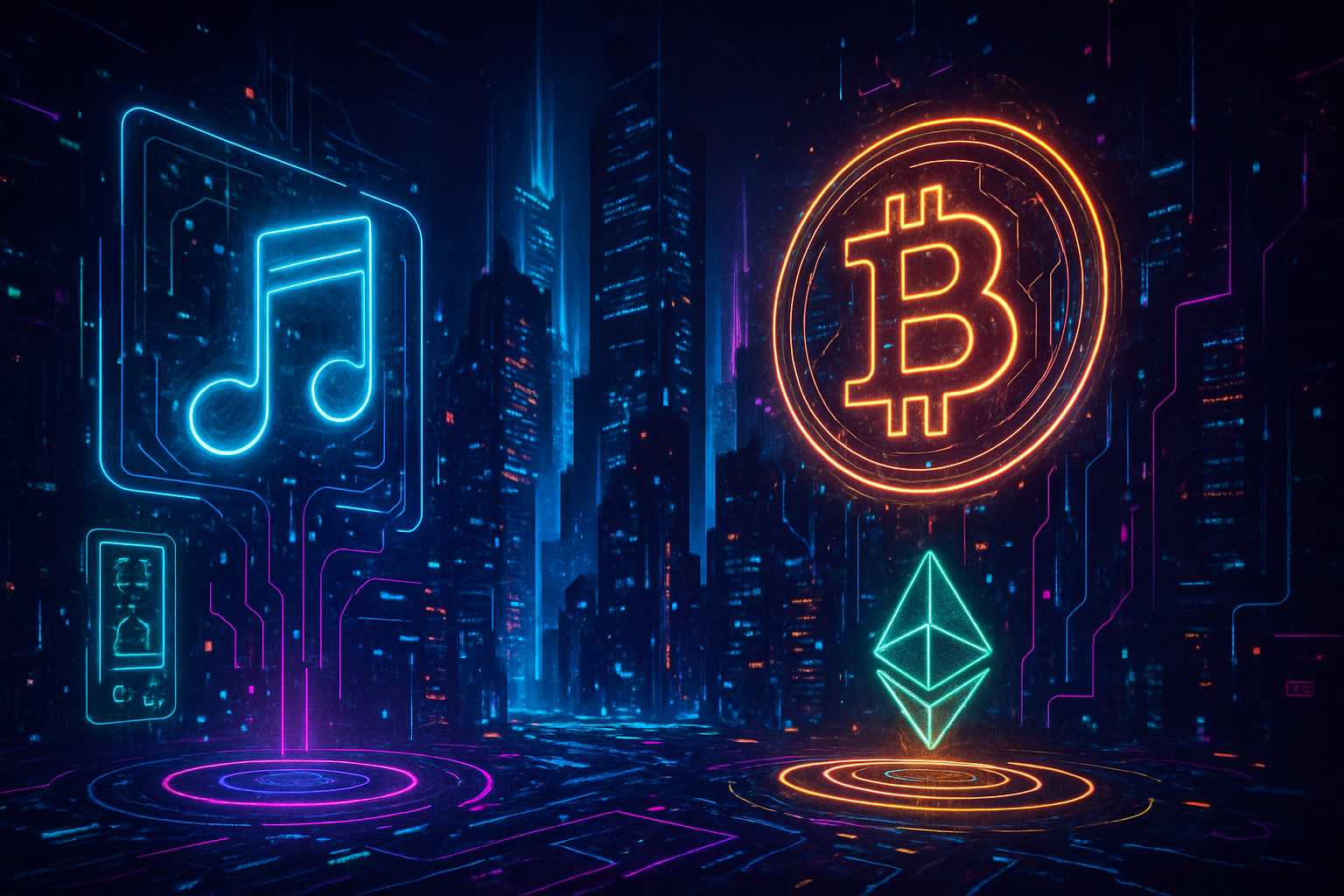
Imagine a world where fans are not just passive listeners but active stakeholders in the music they love. Thanks to blockchain-powered fractional music royalties, this vision is rapidly becoming reality. By breaking down traditional barriers, blockchain technology is empowering both artists and fans, turning every stream or download into a shared opportunity.
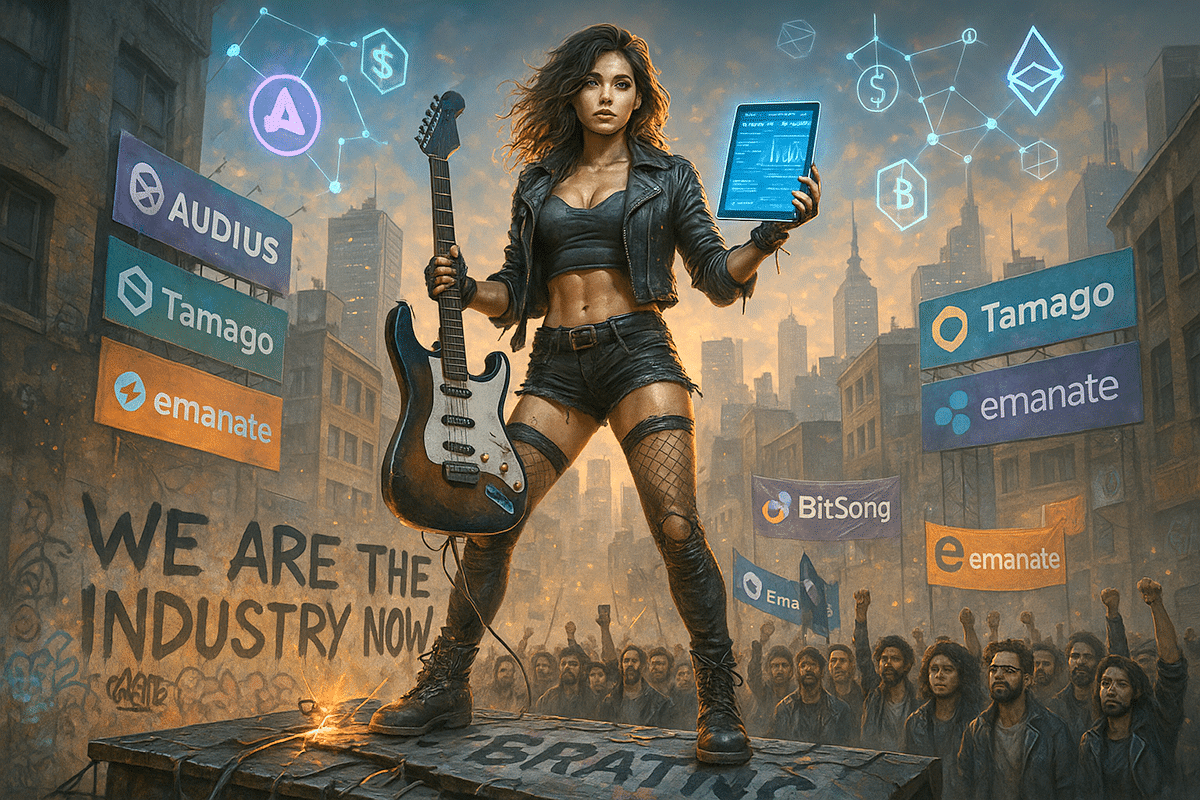
From Passive Listening to Active Participation: The Rise of Fractional Ownership
For decades, music royalties were the domain of industry insiders and major labels. Fans supported artists by buying albums or streaming tracks, but rarely saw any direct financial return. Now, platforms like Royal. io, Anotherblock, Opulous, and Sonomo are rewriting the rulebook. Artists can tokenize their royalty rights as NFTs or digital tokens on blockchains like Ethereum, offering fractional ownership to fans and investors.
This means that anyone can purchase a small share in a song’s future earnings. When the track is streamed on Spotify or used in a film, royalty payouts flow directly to token holders, automated by smart contracts for speed and transparency. It’s not just about money; it’s about transforming the fan-artist relationship into something deeper and more collaborative.
How Blockchain Makes Music Royalties More Accessible, and Transparent
The magic ingredient here is blockchain’s ability to record transactions immutably and transparently. Every play, download, or sync license is logged on-chain in real time. No more waiting months for complex royalty statements or worrying about missing payments due to opaque accounting practices. Platforms such as ANote Music and Bolero have made it possible for fans to invest in music royalties starting from as little as $10, democratizing access previously reserved for high-net-worth individuals.
This shift isn’t just technical; it’s cultural. Artists like Nas (via Royal) or The Weeknd (with Anotherblock) have already invited thousands of fans to become true partners in their success stories. Instead of relying solely on label advances or big investors, musicians now tap into the collective support, and capital, of their communities.
The Benefits: Empowerment for Artists, Opportunity for Fans
Artists: Tokenization means immediate funding without ceding creative control. By selling small portions of future royalties directly to supporters, musicians can finance new projects independently while retaining ownership over their work. This model also incentivizes artists to nurture loyal fanbases who now have a vested interest in promoting the music.
Fans: For fans and investors alike, fractional ownership introduces an entirely new asset class, one that offers potential passive income alongside emotional rewards. Imagine earning monthly royalty payouts every time your favorite song hits the charts or gets picked up for a viral TikTok video! Plus, some platforms sweeten the deal with exclusive perks like concert tickets or VIP access tied to NFT holdings.
The integration of blockchain into music royalty markets addresses long-standing issues around fairness and transparency, making sure everyone gets their fair share at exactly the right time.
What’s especially exciting is how these new models are sparking innovation in both music creation and fan engagement. When artists know their supporters are also stakeholders, it changes the creative equation. There’s a powerful incentive to experiment, collaborate, and release music more frequently, knowing that funding and feedback are coming directly from the community, not just corporate gatekeepers. Some artists even let token holders vote on single releases or album artwork, blurring the lines between creator and audience.
Top Platforms for Investing in Fractional Music Royalties
- Royal.io — Co-founded by DJ 3LAU, Royal.io lets fans buy fractional ownership of streaming royalties directly from artists. Notably, rapper Nas used Royal to sell streaming rights, making fans true stakeholders and offering perks like exclusive content and event access.
- Anotherblock — Specializing in NFT-based music royalty shares, Anotherblock partners with major artists like The Weeknd and R3hab. Investors can own a portion of master streaming rights and receive regular payouts as the music earns revenue.
- Opulous — Opulous enables artists to tokenize their music copyrights, selling fractional ownership to fans and investors. This provides artists with upfront funding and allows fans to earn a share of ongoing royalties as the music is streamed or licensed.
- Bolero — Bolero offers users the ability to invest in music rights starting from as little as $10. The platform emphasizes passive income, letting fans earn royalties based on the real-world performance of the songs they back.
- ANote Music — ANote Music provides a marketplace for investing in music royalties. Users can build a diversified portfolio and receive proportional revenue from their ownership stakes, with transparent reporting and regular royalty distributions.
- Sonomo — Sonomo allows fans and investors to buy shares in music royalties and earn monthly income as songs are streamed. The platform focuses on accessibility and transparency, making royalty investing easy for newcomers.

On the flip side, fans become more than superfans, they’re partners with skin in the game. The emotional connection deepens when you see your favorite track climbing the charts and realize you’re earning alongside the artist. It’s a win-win dynamic that simply wasn’t possible before blockchain made tokenized music royalties accessible to everyone.
Risks, Rewards, and What’s Next
No investment is without risk. Music royalty markets can be volatile: streaming revenues fluctuate, hit songs can fade quickly, and not every track will become a blockbuster. However, platforms are getting better at providing transparent data, stream counts, historical earnings, even predictive analytics, so fans can make informed decisions before buying in. As always, diversification is key: building a portfolio of different tracks or artists can help balance out risk while still capturing upside potential.
The regulatory landscape is also evolving rapidly. As governments catch up with blockchain-powered assets, expect greater clarity around rights management and investor protections, further boosting confidence in this emerging asset class.
If you’re curious about diving into NFT music royalties, start small and do your research. Platforms like Royal. io and Anotherblock often feature educational resources for beginners. And if you want to understand more about how blockchain is transforming indie artist funding or empowering musicians through instant royalty payments, check out our guides on fractional ownership for indie artists or music NFTs.
The bottom line? Fractional ownership of music royalties isn’t just a financial innovation, it’s shifting the very culture of music itself. Fans have never been closer to the art they love or more empowered to share in its success. For artists ready to embrace this new paradigm, blockchain offers not only transparency but genuine partnership with those who matter most: their listeners.


No comments yet. Be the first to share your thoughts!