Imagine being able to own a slice of your favorite song and actually earn a share of its streaming royalties - all without needing a record label connection or a fat bank account. That’s not sci-fi anymore. Thanks to blockchain tech, fractional ownership of music royalties is exploding, flipping the traditional music industry on its head and letting fans, investors, and artists all get in on the action.

Tokenized Music Royalties: No Longer Just for Insiders
Back in the day, buying into music rights was reserved for industry insiders or deep-pocketed investors. Now, platforms like Royal, Anotherblock, and Bolero are making it possible for anyone to buy fractional ownership in hit tracks via digital tokens. Here’s how it works: artists "tokenize" their royalty streams by creating unique digital assets (often NFTs) that represent a percentage of future earnings from a song or album. These tokens are then sold to fans and investors who become true stakeholders in the music’s success.
This isn’t just theory - it’s happening right now. Take Royal for example, co-founded by DJ 3LAU. The platform lets artists sell shares of their songs directly to fans as blockchain-based tokens. Every time the track earns money from streaming or licensing, token holders get their cut automatically through smart contracts. This means no more waiting months (or years) for royalty checks and no more wondering if everyone got paid fairly.
Why Fractional Ownership Is Such a Game-Changer
The magic ingredient here is fractionalization. Instead of needing $100,000 and to buy an entire copyright, you can scoop up $10 or $100 worth of royalty rights - just like buying stocks or crypto. This opens up:
- Access: Everyday fans can invest in songs they love.
- Diversification: Investors can spread bets across multiple artists and genres.
- Liquidity: Tokens can be traded on secondary markets for quick exits or rebalancing portfolios.
- Transparency: Blockchain records every transaction and payment split, so there’s no room for shady accounting.
The result? Artists get upfront funding without giving away all their rights forever; fans become superfans with real skin in the game; and speculators get access to an entirely new asset class with passive income potential.
The Tech That Makes It Happen: Blockchain and Smart Contracts
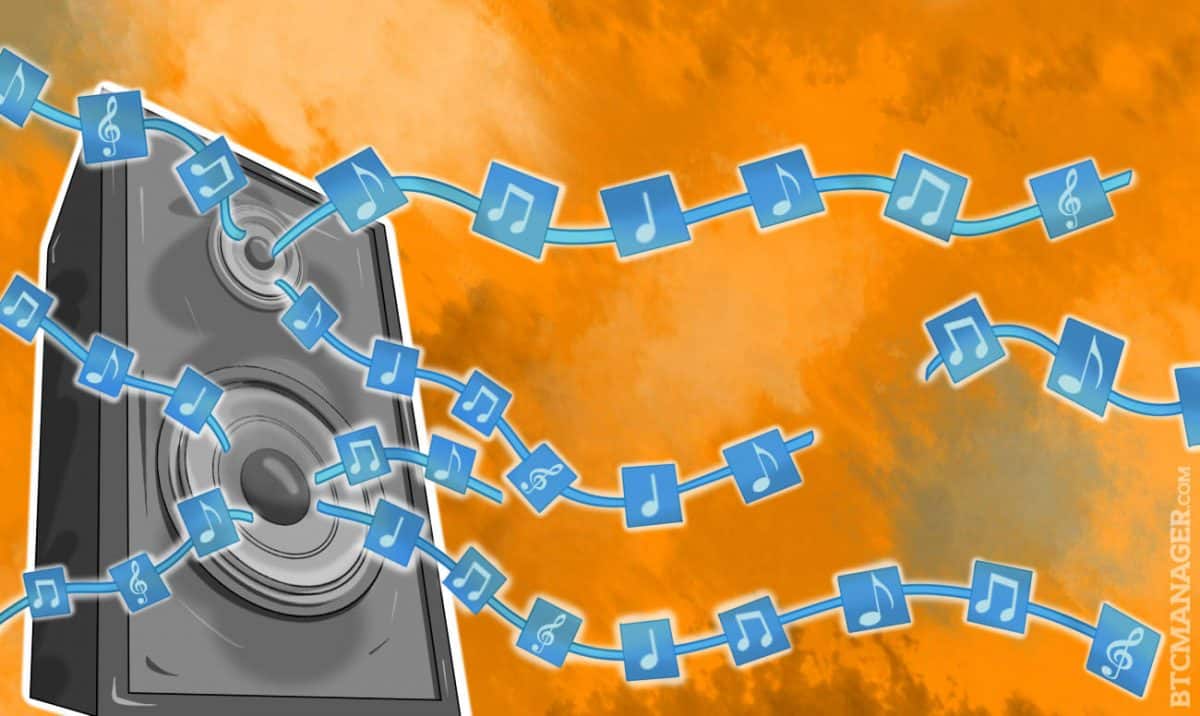
This revolution isn’t just about NFTs as collectibles - it’s about using blockchain as an automated escrow system that ensures everyone gets paid what they’re owed, instantly and transparently. Platforms like Anotherblock use smart contracts to distribute payments every time a song generates revenue from Spotify streams or YouTube plays. No middlemen skimming off the top; no delays while paperwork shuffles between publishers - just clean code executing royalty splits right on-chain.
If you want to nerd out even more on how these smart contracts power decentralized music revenue sharing, check out our deep dive at this guide.
But let’s talk about the real-world impact. For artists, tokenizing music royalties means unlocking new revenue streams without sacrificing creative control. Instead of signing away rights to a label for an advance, musicians can raise funds directly from their fanbase by selling fractional royalty tokens. This not only keeps more money in artists’ pockets, it also turns fans into true partners, rooting for the song’s success because they literally profit when it does.
For investors and collectors? This is a whole new playground. Platforms like Bolero and Anotherblock are making it easy to browse, buy, and trade tokenized music royalties just like any other digital asset. Want exposure to the next viral hit or diversify your portfolio with passive income from streaming? Now you can - with full transparency into how much you’re owed and when you’ll get paid.
The Risks and Rewards: What to Watch Out For
Of course, no revolution comes without risk. Music royalty investments are still tied to the unpredictable world of streaming numbers, copyright disputes, and changing tastes. The value of your token depends on how well the song performs over time, so there’s always some volatility in play (just ask any crypto trader!).
But thanks to blockchain’s transparency, you’re no longer flying blind. Every payout is recorded on-chain for anyone to verify; every trade is public; every smart contract is auditable. That’s a huge step up from legacy music accounting, where even top artists have struggled to track down their rightful earnings.
If you want to see what this looks like at scale, with real examples of passive income rolling in from streaming platforms, check out our music royalty investment guide. You’ll find tips on due diligence, risk management (my specialty!), and how to spot legit drops versus hype trains.
Top Blockchain Platforms Powering Fractional Music Ownership
- Royal: Co-founded by DJ 3LAU, Royal lets fans buy fractional shares of songs and earn a cut of streaming royalties. Artists like Nas and The Chainsmokers have dropped music on Royal, making it a go-to for music rights investing.
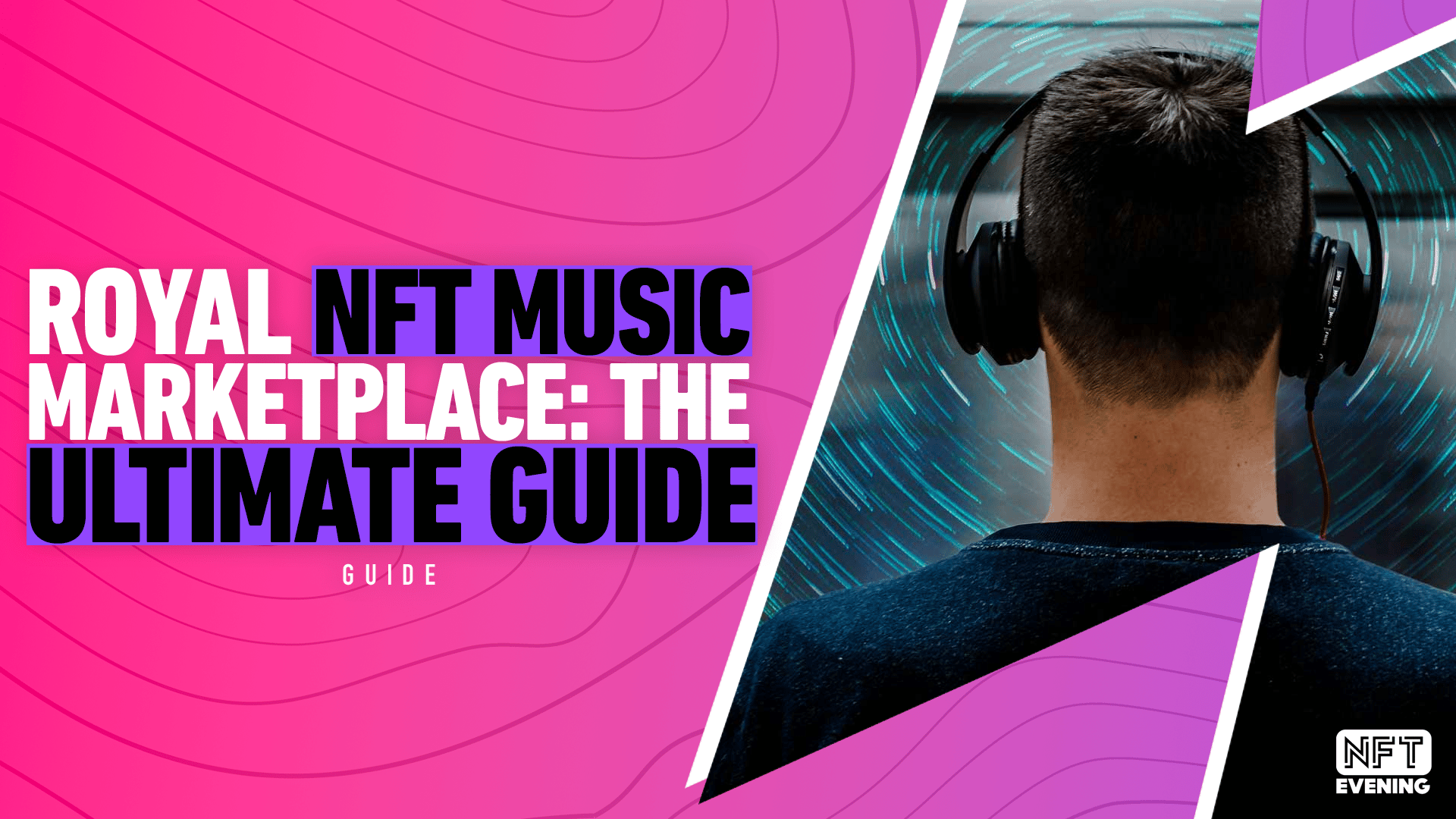
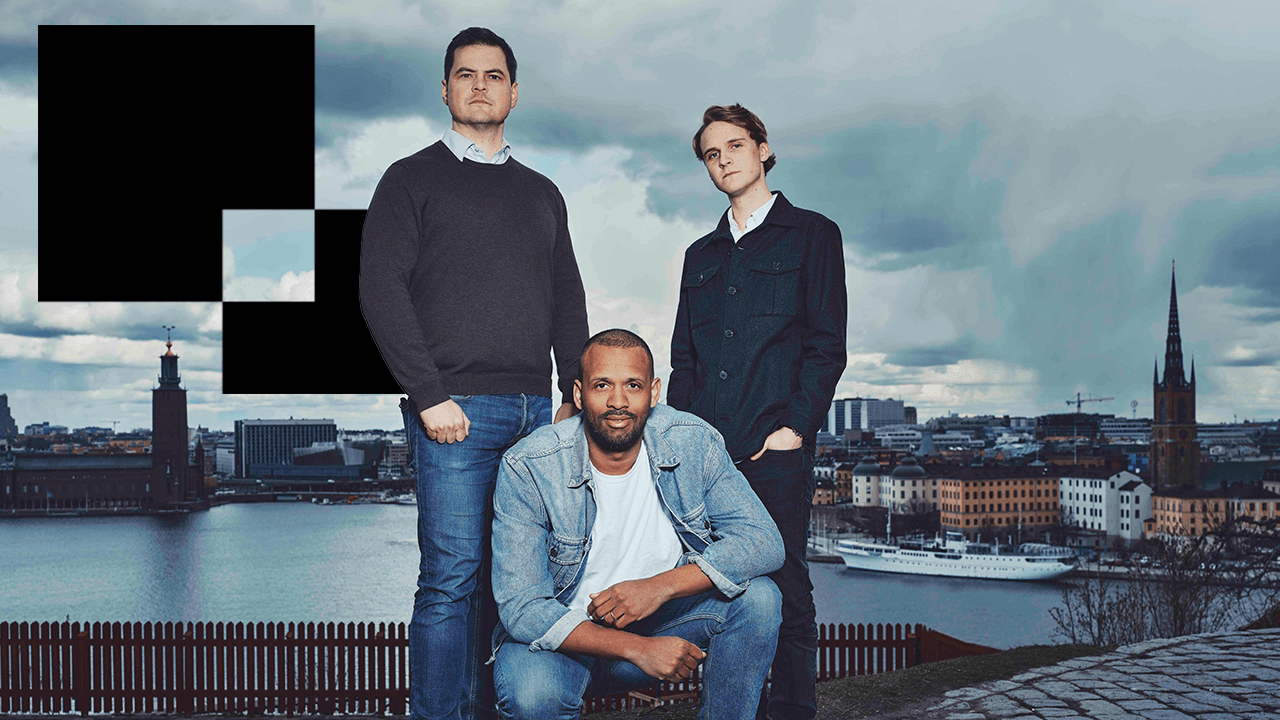
- Anotherblock: This Stockholm-based platform partners with major artists to tokenize music rights, letting users invest in chart-topping tracks and receive automated royalty payouts via smart contracts.
- Bolero: Bolero offers a sleek marketplace where anyone can buy, sell, and trade fractional music rights. The platform emphasizes transparency and passive income for music fans and investors alike.
- Opulous: Specializing in Music NFTs and DeFi, Opulous allows artists to raise funds by selling fractionalized music rights, while fans earn a share of future royalties directly through the blockchain.
- Revelator: Known for its Original Works platform, Revelator leverages blockchain to let creators tokenize and distribute music rights, streamlining royalty payments for both artists and investors.
Where We Go From Here: The Future Is On-Chain
The genie is out of the bottle. As more artists tokenize their catalogs and more fans/investors pile in, expect even faster innovation: dynamic pricing for royalties based on real-time streaming data, bundled rights across multiple songs or albums, maybe even DAOs that collectively own entire labels or genres.
Bottom line? Decentralized music revenue is here, and it’s moving fast. Whether you’re an artist looking for freedom from industry gatekeepers or an investor chasing that next big wave (with less drama than meme coins), now’s the time to pay attention. Fractional ownership isn’t just changing who gets paid, it’s changing who gets heard.

No comments yet. Be the first to share your thoughts!