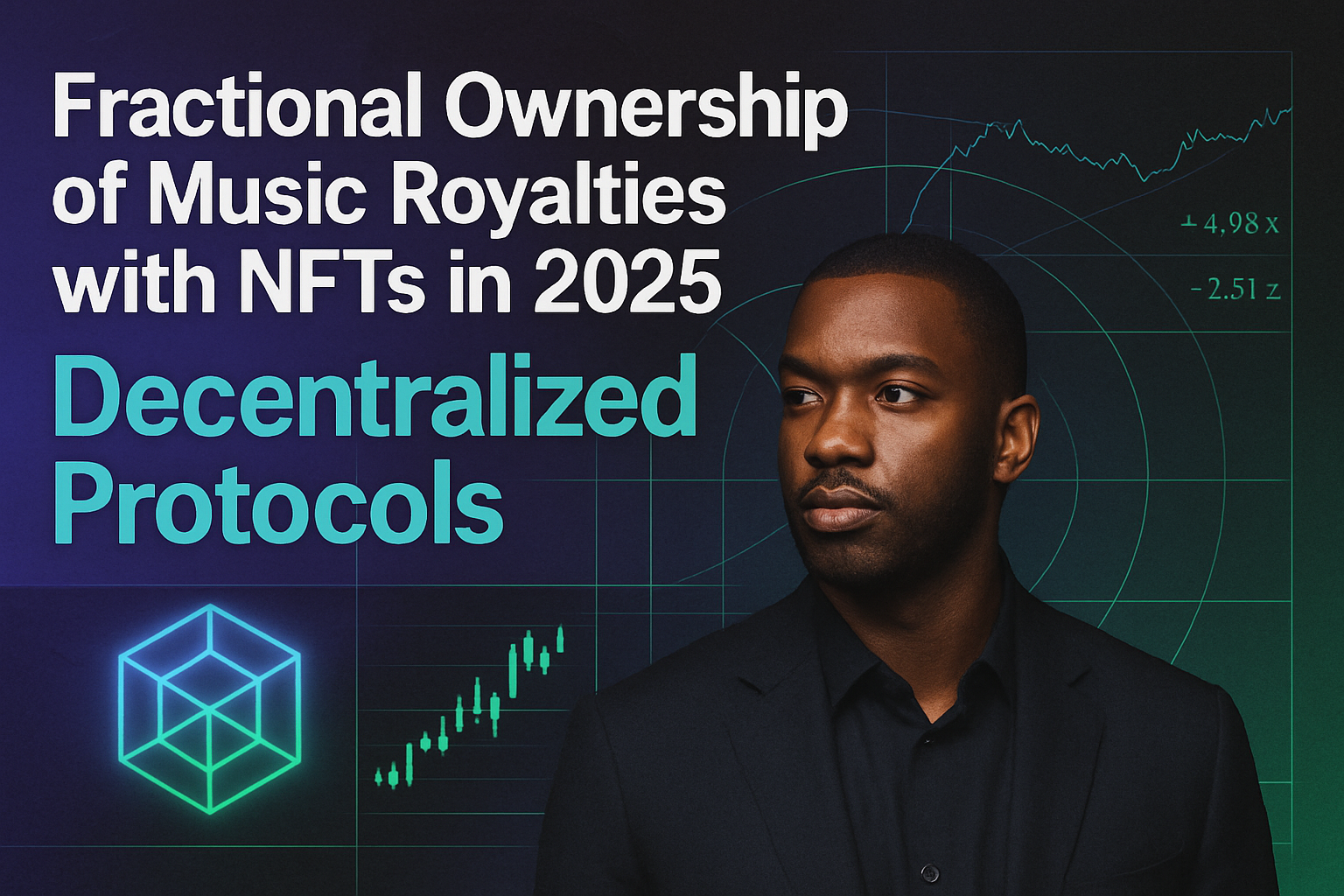
In 2025, the intersection of blockchain technology and the music industry has reached a pivotal moment. Fractional ownership of music royalties via NFTs is no longer just a buzzword - it's a mainstream investment strategy, empowering artists, fans, and investors alike. The shift toward on-chain royalty splits and tokenized music assets is revolutionizing how we think about music ownership, value, and participation in creative economies.
The Rise of Fractional Music Royalties: Why 2025 Is Different
Music NFTs first made headlines for their speculative trading and headline-grabbing sales. But in 2025, the focus has shifted to utility and real-world revenue. Artists are leveraging blockchain platforms to tokenize their royalty streams, offering fans the chance to buy a percentage of song royalties directly. This democratizes access to an asset class once reserved for industry insiders or major labels.
Platforms like Royal. io (founded by DJ and producer 3LAU), Audius, and Anotherblock have become household names among NFT enthusiasts. These platforms enable artists to mint NFTs representing shares in their streaming or licensing income. Buyers, whether superfans or seasoned investors, acquire these tokens through auctions or secondary markets, instantly gaining a stake in future earnings.
How Fractional Ownership with NFTs Actually Works
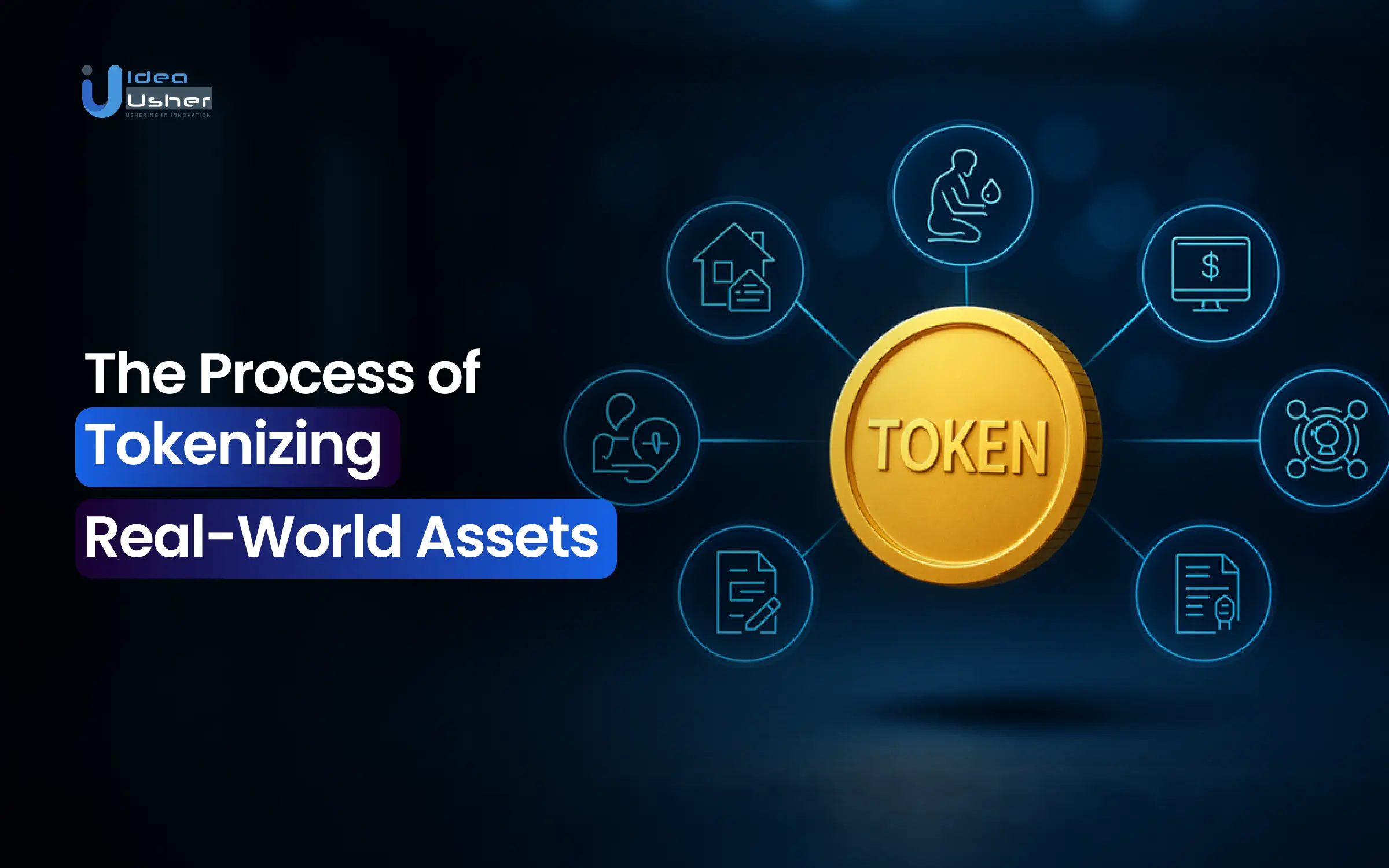
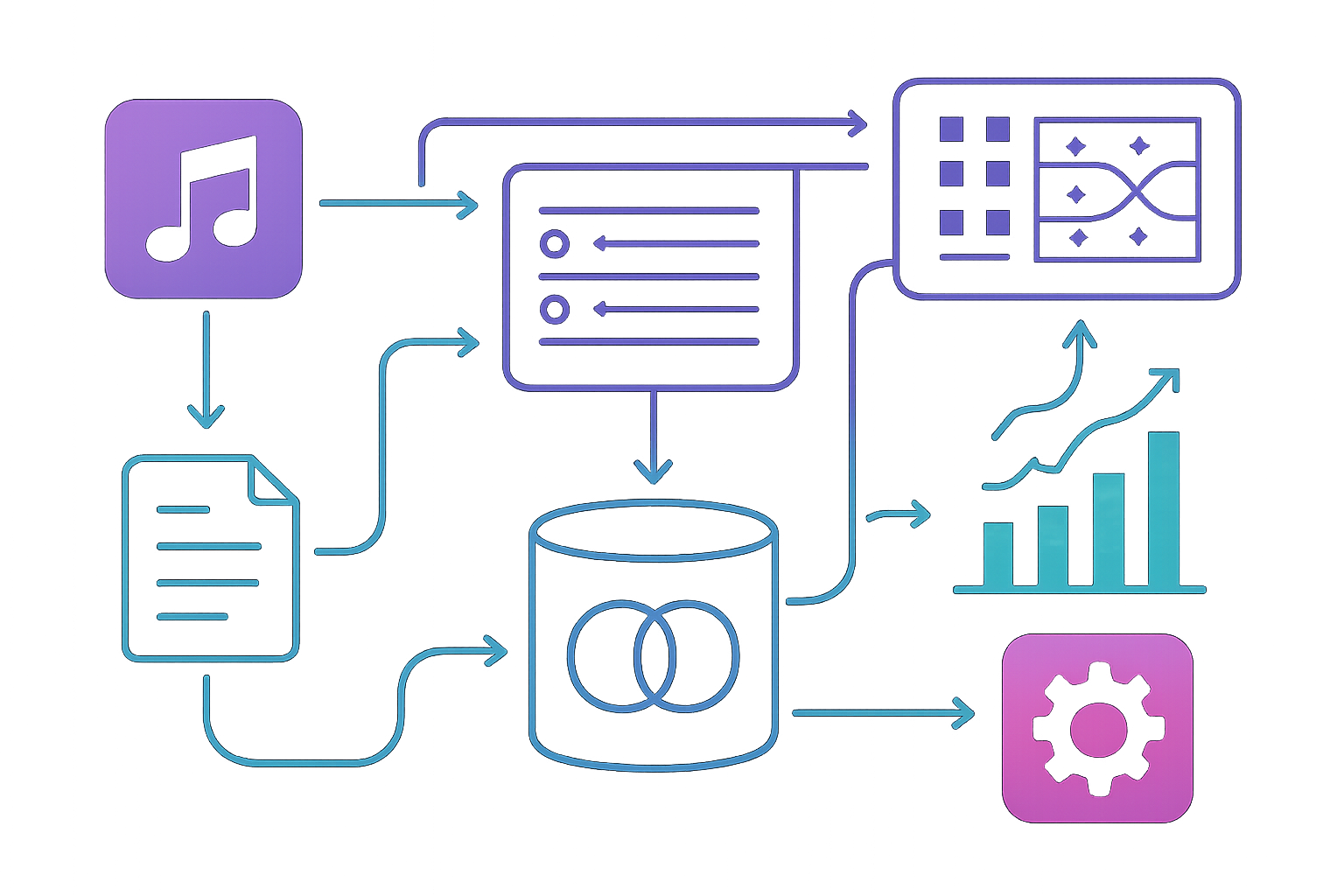
At its core, fractional ownership of music royalties involves three key steps:
- Tokenization of Rights: Artists convert their copyrights into digital tokens on blockchains like Ethereum or Polygon. Each token signifies a specific fraction of ownership in a song or album’s income stream.
- Marketplace Sale: These tokens are sold directly to fans or investors via trusted music royalty marketplaces. The process is transparent: buyers know exactly what portion of future royalties they’re acquiring.
- Automated Royalty Distribution: Smart contracts embedded within each NFT automate royalty payouts based on streaming data or licensing revenue. Payouts flow directly to token holders’ wallets, no middlemen required.
This system not only streamlines royalty payments but also ensures real-time transparency. Fans can now see exactly how much revenue their favorite track generates, and share in its success financially.
The Platforms Powering Tokenized Music Assets
The explosive growth of NFT music royalties in 2025 is driven by robust infrastructure:
- Royal. io: Enables artists like Nas and The Chainsmokers to sell slices of streaming rights as NFTs. Token holders receive regular payouts tied directly to listening data.
- Audius: A decentralized platform where artists retain control over distribution and monetization using $AUDIO tokens, no traditional label gatekeeping required.
- Anotherblock: Specializes in streaming royalty splits for hit tracks; rights holders can divest portions as fractional NFTs with automated payout mechanisms built-in.
This ecosystem is underpinned by compliance with evolving regulations around digital securities, ensuring investor protection while maintaining the frictionless experience blockchain promises. For more technical insights on how these smart contracts function behind the scenes, check out our deep dive on tokenized music royalties.
The Benefits: Why Artists and Fans Are Embracing On-Chain Royalty Splits
The advantages for all participants are compelling:
- Artists get upfront funding without giving up creative control or signing restrictive label deals.
- Fans become true stakeholders in an artist’s journey, earning passive income as songs climb the charts.
- Diversification for investors seeking exposure beyond traditional stocks or crypto assets, music becomes part of their portfolio mix.
But the impact goes deeper than just financial returns. Fractional music royalties are forging new, direct relationships between creators and their communities. Fans who own a percentage of a song’s royalties are more invested, literally and emotionally, in the track’s success. This participatory model transforms listeners into partners, aligning incentives for promotion, sharing, and even creative input.
Risks, Rewards, and What to Watch in 2025
Like any new frontier, NFT music royalties in 2025 come with both promise and pitfalls. The transparency of on-chain royalty splits is a major leap forward, but investors must still perform due diligence. Not all tracks generate equal streaming revenue; historical performance data and platform reputation matter. Regulatory clarity is improving, yet jurisdictional differences can affect how tokenized music assets are treated worldwide.
On the upside, platforms are introducing tools for real-time analytics, providing holders with dashboards that track earnings by song, artist, or catalog segment. This data-driven approach empowers smarter decisions for both casual fans and institutional buyers looking to diversify into blockchain music investing.
Liquidity is also rapidly improving. Secondary markets for fractionalized NFTs mean that holders can trade their positions as easily as swapping tokens or stocks. This flexibility is attracting a wave of new participants who value both the cultural cachet of music ownership and the potential for passive income.
The Future: Programmable Royalties and Fan-Led Curation
The next evolution? Programmable royalty splits, where artists can set dynamic payout rules based on milestones, think bonus payouts if a track hits a million streams or unlocks special content for top token holders. Some projects are experimenting with fan-led curation: token holders vote on which unreleased tracks get minted next or influence marketing strategies directly.
This fusion of community governance and financial participation is uniquely enabled by blockchain, and it’s only getting started. As more artists experiment with fractional models and as mainstream audiences grow comfortable with NFT-based investing, expect to see even more creative use cases emerge.
The Takeaway: Music Royalty Marketplaces Are Here to Stay
The rise of music royalty marketplaces has fundamentally shifted what it means to support music in the digital age. Whether you’re an artist seeking independence or a fan eager to own a piece of your favorite hit, fractional ownership via NFTs offers transparency, engagement, and real economic upside.
If you’re ready to explore this new landscape, or just want to understand how blockchain is rewriting the rules, dive deeper into our guides on how blockchain enables fractional ownership of music royalties. The future of music isn’t just something you listen to, it’s something you can own.
No comments yet. Be the first to share your thoughts!