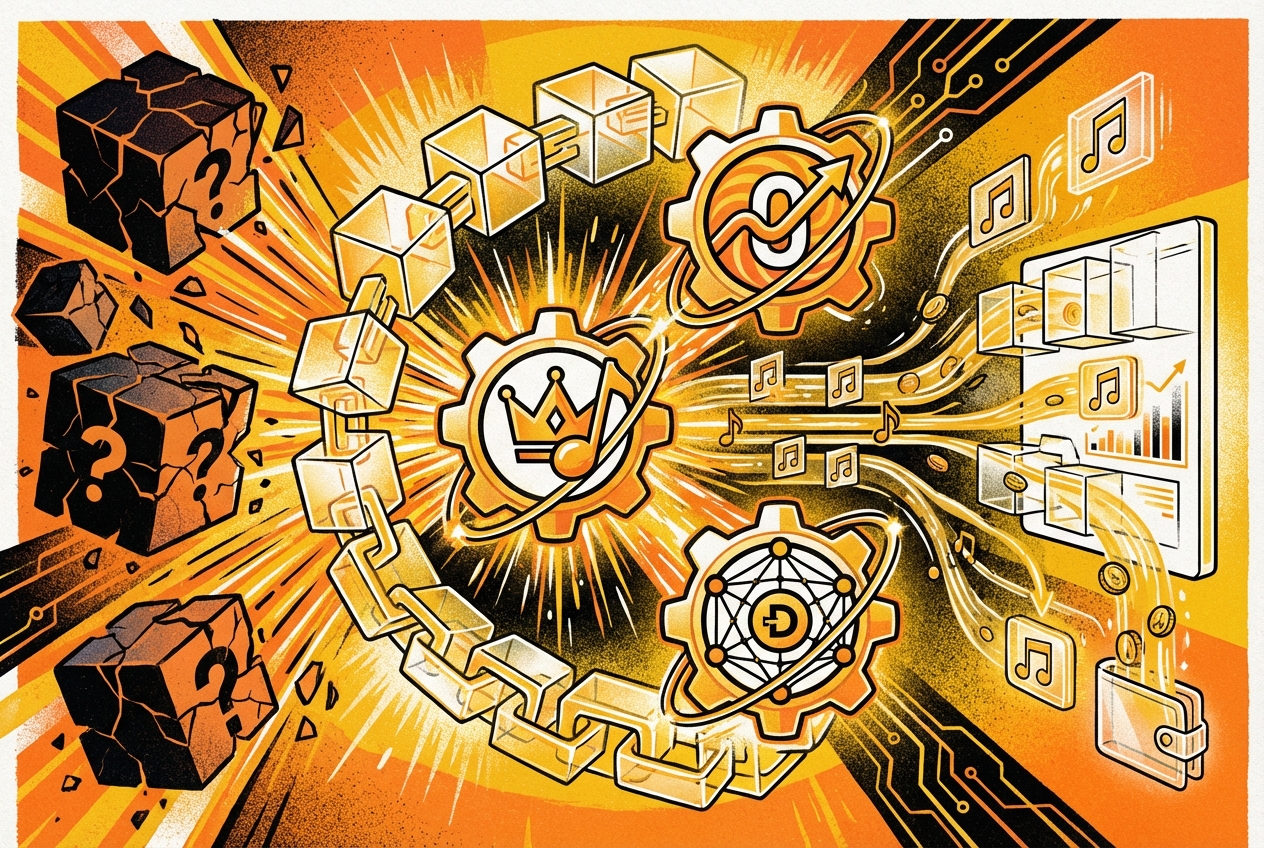
The music industry’s royalty system has long been plagued by what insiders call the “black box” problem: an opaque, labyrinthine process where billions in royalties go unclaimed or misallocated each year. For artists, songwriters, and investors alike, this means uncertainty, delayed payments, and a persistent lack of trust in traditional royalty collection agencies. In 2025, blockchain technology is finally forcing open the black box, bringing radical transparency and efficiency to music royalty payments through on-chain solutions.

Why Are Music Royalties So Opaque?
Before blockchain, tracking who owns what, and who gets paid, was a Herculean task. Royalties flow through a tangled web of publishers, labels, collecting societies, and digital platforms. Each layer adds administrative overhead and risk of error. Rights can be split dozens of ways among writers, producers, performers, and investors. With little standardization or real-time reporting, it’s no wonder that millions in royalties are lost or delayed every year.
This opacity isn’t just an inconvenience; it’s a structural flaw that undermines artist income and investor confidence. It also creates opportunities for intermediaries to siphon off value without adding transparency or accountability.
How Blockchain Makes Royalty Collection Transparent
Blockchain solves these issues by serving as an immutable ledger for music rights and payments. When music assets are tokenized, converted into digital tokens representing ownership shares, they’re registered on-chain with transparent smart contracts dictating exactly how revenue is split. Every play on Spotify or YouTube triggers an automated payment to the correct rights holders in real time.
No more guesswork. No more waiting months for statements. No more missing out on earnings because your name was left off a spreadsheet somewhere in the world.
The benefits are profound:
- Real-time payment: Artists and investors see earnings instantly after each stream or sync placement.
- Immutable proof: Ownership records can’t be altered retroactively, cutting down on disputes.
- Simplified licensing: Rights can be easily verified and licensed globally without endless paperwork.
The Leading Platforms Fixing the Black Box Problem
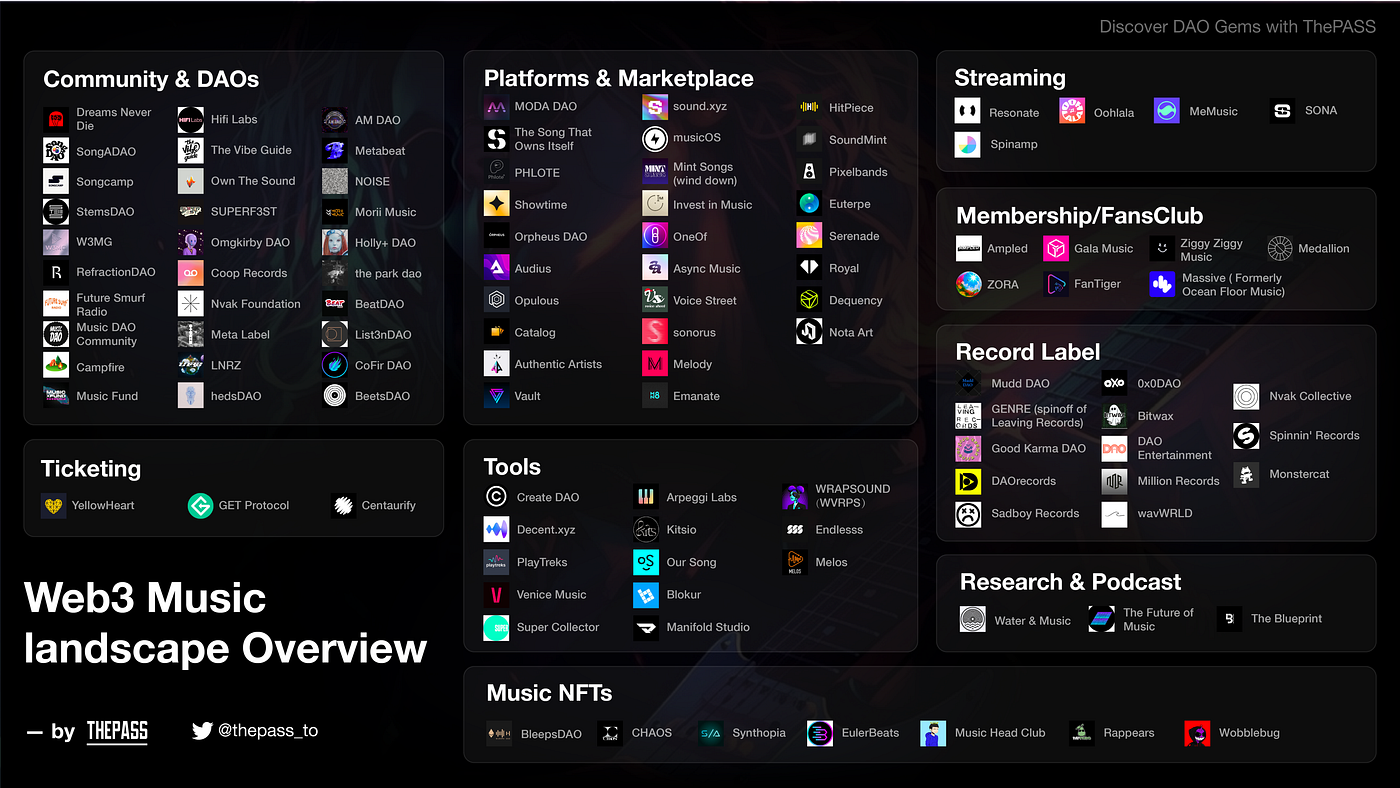
A new wave of blockchain-native platforms is leading this transformation by enabling transparent on-chain royalty collection and tokenization. Let’s examine three key players shaping the future of blockchain music royalties in 2025:
- Royal. io: This platform empowers artists to sell fractional shares of their songs directly to fans as NFTs, fans then earn a portion of streaming royalties alongside creators. Every transaction is recorded transparently on-chain so both parties can track earnings with certainty.
- Opulous: Opulous specializes in turning music rights into tradable NFTs that represent future royalty streams. The platform automates splits using smart contracts so that all stakeholders receive their fair share as soon as income is generated from streaming services or sync deals.
- Decent. xyz: Decent. xyz acts as an end-to-end protocol for tokenizing music assets and distributing royalties automatically via programmable contracts. Artists retain control over their intellectual property while benefiting from instant payouts and global investor access.
This shift isn’t just about technology, it’s about restoring trust and value to creators by making every dollar traceable from audience to artist wallet.
Unlocking New Revenue Models and Fan Engagement
The transparency of on-chain royalty collection doesn’t just streamline payments, it unlocks new business models for both artists and fans. Through platforms like Royal. io, musicians can turn their audience into active stakeholders. Fans who purchase fractional royalty rights become financially invested in the success of the music they love, aligning incentives and deepening engagement. This dynamic is fundamentally different from traditional fan relationships, where listeners are passive consumers.
Similarly, Opulous has pioneered the use of NFT-based music assets as collateral for loans or as tradable securities. By transforming future royalty streams into liquid, blockchain-native assets, Opulous enables artists to raise capital without sacrificing creative control or waiting months for revenue cycles to close. Investors gain access to a previously illiquid market with real-time reporting, while artists enjoy financial flexibility that would have been unthinkable under legacy systems.
Decent. xyz takes this one step further by offering a protocol layer that any artist or label can use to create programmable royalty contracts. These contracts automatically execute complex splits between collaborators, managers, and investors, no lawyers or middlemen required. The result: frictionless value transfer and a permanent audit trail for every payment.
Addressing the Music Royalty Black Box: Practical Outcomes
The impact of these innovations is already visible in 2025:
- Fewer unclaimed royalties: On-chain records eliminate ambiguity over rights ownership, drastically reducing lost revenue.
- No more delayed payments: Smart contracts deliver instant payouts after each stream or sync event.
- Democratized investment: Anyone can invest in music royalties via NFT marketplaces, expanding access beyond industry insiders.
- Global reach: Artists can license and monetize their work internationally without navigating incompatible collecting societies or legal regimes.
This isn’t hypothetical, these outcomes are being realized right now by users of Royal. io, Opulous, and Decent. xyz. For those seeking deeper dives into how these mechanisms work under the hood, resources like fractional ownership guides provide actionable insights.
Challenges Ahead: Adoption and Standards
No technology is a panacea. Blockchain-based royalty platforms face hurdles around user education, regulatory clarity, and interoperability between protocols. However, as more catalogues move on-chain and industry standards emerge for metadata and smart contract templates, these obstacles are shrinking fast. Forward-thinking artists who embrace transparent royalty platforms today are likely to enjoy a significant competitive edge as adoption accelerates.
The bottom line: blockchain isn’t just fixing delayed payments, it’s making the entire music royalty ecosystem visible, auditable, and fairer for everyone involved. As tokenization matures across platforms like Royal. io, Opulous, and Decent. xyz, expect to see both creators and investors demanding this new standard of transparency in all their deals.


No comments yet. Be the first to share your thoughts!