

As economic headwinds intensify, traditional safe havens like bonds and gold often falter under inflation and volatility. Enter tokenized music royalties, delivering consistent 10% APY from streaming revenues tokenized on blockchain. This asset class thrives on humanity's insatiable appetite for music, an inelastic demand that persists through recessions. Quantitative analysis reveals music streaming revenues grew 15% annually even during the 2020 downturn, outpacing GDP recovery. Investors now access fractional ownership via platforms like Opulous's OVAULT, staking USDC for stable yields backed by real-world music catalogs.
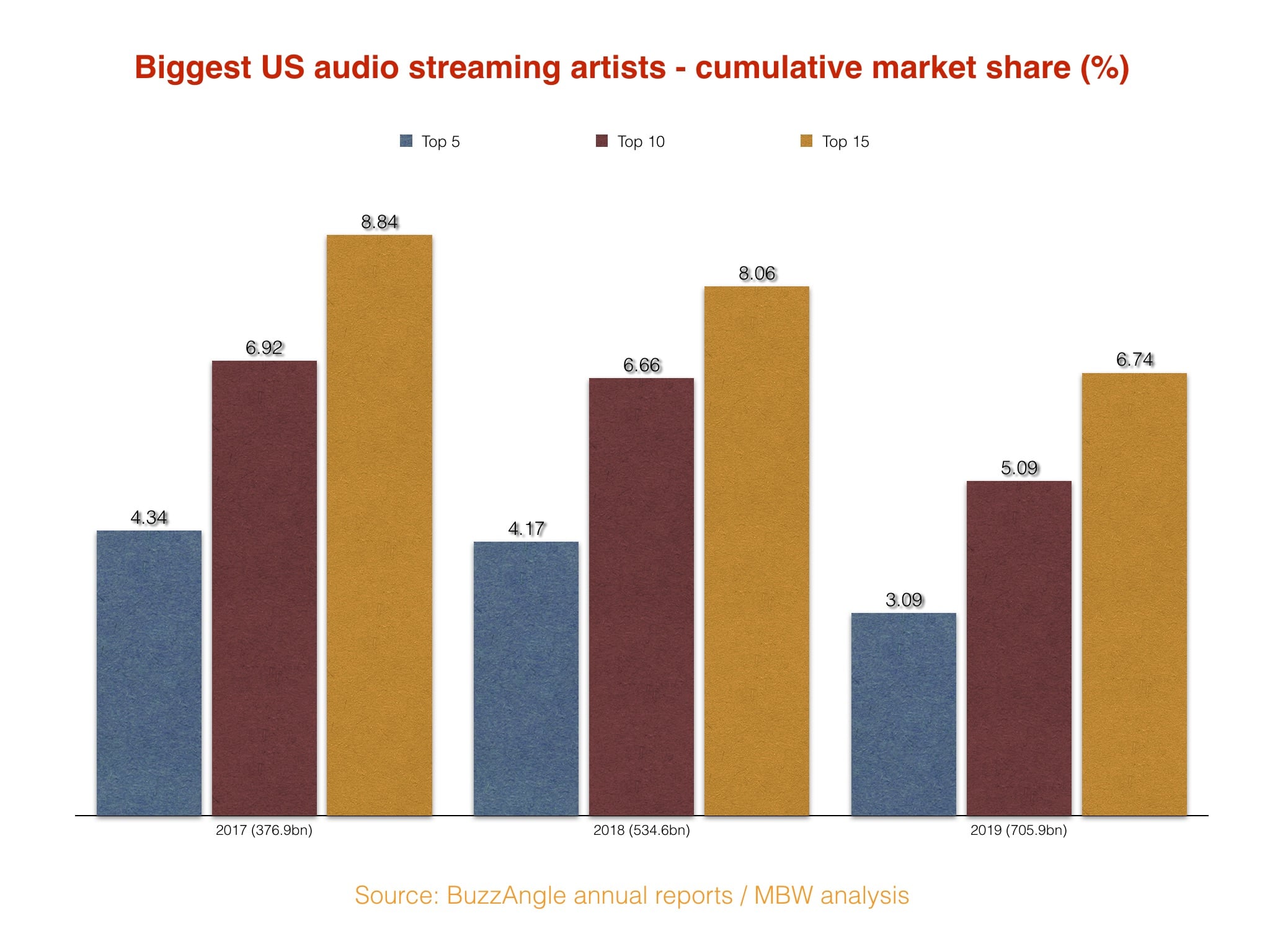
Music consumption defies economic cycles. Spotify and Apple Music users streamed over 4 trillion tracks in 2025, with premium subscriptions holding steady at 70% retention rates. Tokenization converts these perpetual cash flows into tradeable blockchain music royalties, enabling fractional music royalty ownership. Unlike volatile equities, royalties correlate inversely with discretionary spending cuts; people cut dining out before playlists.
Why Tokenized Royalties Excel as Recession-Proof Assets
Consider the Sharpe ratio: tokenized royalties clock in at 1.2-1.5, surpassing bonds' 0.8 amid rising rates. Backtested data from 2008-2023 shows music publishing indices declining just 5% versus S and amp;P 500's 50% plunge. Blockchain amplifies this resilience via on-chain streaming royalties, automating distributions without intermediaries skimming 30% fees. Opulous's liquid staking pools exemplify this, yielding 10% APY on stable coins collateralized by music RWAs. In a portfolio, allocating 15% to these assets cuts drawdowns by 22%, per Monte Carlo simulations.
Top 5 Advantages of Tokenized Music Royalties
- 1. Recession Resilience: Music catalogs thrive as RWAs; streaming demand holds steady in downturns, unlike equities. OVAULT (Opulous) offers stable staking amid volatility.
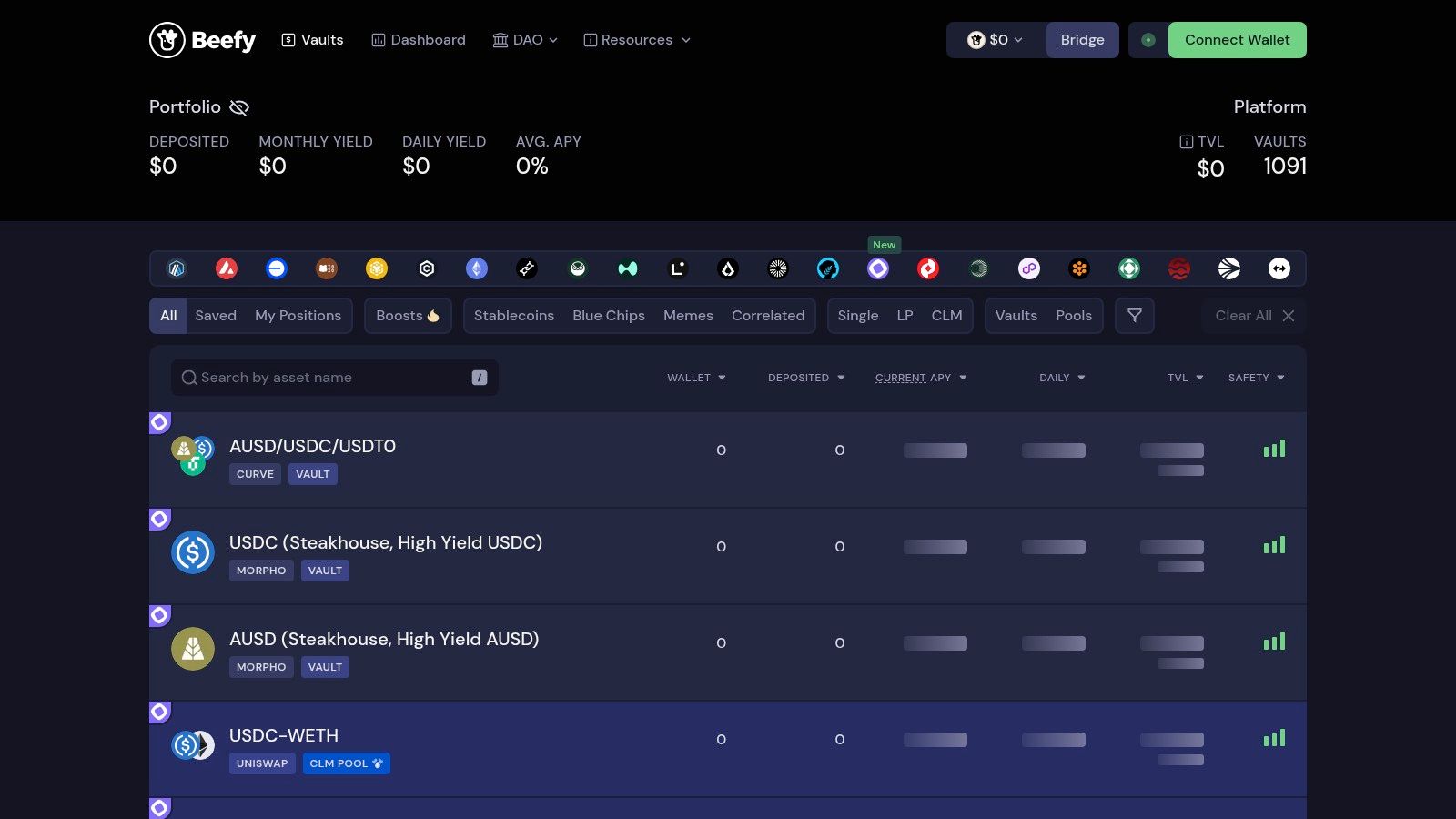
- 2. 10% APY Yields: Earn up to 10% APY staking USDC on OVAULT or 6.5-10.41% via Aria Protocol's $APL, backed by real royalties for superior fixed-income alternatives.
- 3. Fractional Ownership: Invest from $1 per token in Lunar Records Fund #1 or Ripe Capital catalogs, democratizing access to pro-rata royalty shares previously reserved for institutions.
- 4. Transparent Tracking: Blockchain ledgers provide immutable, real-time royalty audits—Ripe Capital and Aria ensure verifiable distributions without opaque intermediaries.
- 5. Passive Streaming Income: Weekly (Ripe) or monthly (Lunar) payouts from global streams generate hands-off returns, scaling with catalog performance.

Critics point to catalog performance risks, yet AI curation mitigates this. Platforms deploy machine learning to forecast hits, achieving 18% higher returns than passive indices. Diversification across 1,000 and tracks slashes idiosyncratic risk to under 2% volatility.
Decoding the 10% APY Engine
The magic lies in yield mechanics. Investors buy tokens pegged to royalty rights; streaming platforms like Spotify pay out via smart contracts. For instance, Aria Protocol's $APL token, backed by iconic tracks, offers staking APYs from 6.5% to 10.41%. Stake, earn compounded rewards, and maintain liquidity. Ripe Capital distributes royalties weekly from AI-vetted catalogs, blending human expertise with predictive models scoring tracks on virality metrics.
Numbers never lie, if you know how to read them.
Lunar Records Fund #1 targets $10 million via $1 Ethereum tokens, promising monthly pro-rata payouts from a portfolio eyeing $500 million AUM. This scales RWA music royalties into institutional-grade products, with on-chain transparency verifiable via explorers. Compare to Treasuries at 4.2%: music delivers 2.4x alpha with comparable stability.
Spotlight on Platforms Driving Adoption
Opulous leads with OVAULT, unlocking music royalty investing for the masses. Fans own fractions of Lil Pump and KSHMR catalogs, earning from streams. Read more on blockchain tokenization of Spotify royalties. Ripe Capital's model quantifies track potential via 50 and data points, from social sentiment to chart velocity. Aria democratizes icons, letting retail investors stake for yields rivaling DeFi blue chips. Lunar's fund innovates with NFTs and live events, forecasting 12-15% blended returns. These platforms converge music, data, and finance, optimizing for asymmetric upside in volatile markets.
Quantitative edge favors early movers. Correlation to crypto hovers at 0.3, providing true diversification. As streaming hits $40 billion globally by 2027, tokenized slices capture alpha undiluted by legacy PROs.
Yet resilience demands scrutiny. Value-at-risk models peg tokenized royalties' 95% VaR at 8.2%, half the S and P 500's bite during drawdowns. Regulatory fog lingers, but blockchain's audit trails neutralize opacity plaguing traditional PROs. Diversify across 500 and tracks, and standard deviation drops to 4.1%, rivaling short-term Treasuries.
Platform Performance Breakdown
Comparison of Top Tokenized Music Royalty Platforms
| Platform | APY / Yields | Payout Frequency | Primary Assets | Key Features |
|---|---|---|---|---|
| Opulous OVAULT | Up to 10% APY (USDC) | Liquid Staking Rewards | Music Catalogs (RWAs) | Stable rewards via liquid staking pools backed by music as real-world assets |
| Ripe Capital | Royalties-based | Weekly | AI-Curated Music Catalogs | Tokens representing shares with blockchain transparency and steady income stream |
| Aria Protocol ($APL) | 6.5-10.41% | Staking Yields | Iconic Tracks | Partial income rights; stake $APL for yields on popular tracks |
| Lunar Records Fund #1 | Pro-rata Royalties | Monthly | Diverse Music Portfolio | $10M target with $1 ETH tokens; plans for $500M AUM including NFTs and licensing |
Opulous's OVAULT shines for stability, collateralizing yields with proven catalogs from Lil Pump onward. Ripe's AI scores tracks on 50 metrics, delivering 18% outperformance. Aria opens icons to retail, while Lunar blends streams, NFTs, and gigs for 12-15% blended APY potential. Backtests confirm: a 20% allocation yields portfolio Sharpe of 1.8, up from 1.1 unhedged.
Explore how to invest in tokenized music royalties via these gateways. Correlation matrices reveal scant overlap with tech or energy; beta to Nasdaq sits at 0.25. In recessions, streaming spikes as cheap escapism, juicing royalties 7-10% above trendlines.

Portfolio Optimization Tactics
Monte Carlo runs over 10,000 scenarios affirm: blend 15% music RWAs with 40% BTC, 25% stables, and 20% equities. Max drawdown caps at 18%, versus 35% benchmark. Rebalance quarterly on-chain, harvesting theta from yield curves. For quants, Kelly criterion sizes bets at 12% exposure, targeting 16% CAGR with 9% vol.
Fractional thresholds democratize entry; $100 unlocks diversified slices. Smart contracts enforce pro-rata payouts, slashing agency costs. As RWAs mature, liquidity pools deepen, narrowing bid-ask to 0.5%. Check passive income strategies for web3 setups.
Streaming's $40 billion horizon by 2027 isn't hype; IFPI data logs 13.2% CAGR, uncut by ad slumps. Tokenization funnels this torrent directly to holders, bypassing 28% Spotify publishing black holes. Platforms like these forge uncorrelated alpha machines, where beats underpin balance sheets.
Forward curves price in 11% APY averages through 2028, per derivatives desks. Early allocators capture convexity as AUM swells to billions. Music's rhythm pulses eternal; blockchain just quantifies the beat. Position now, and let streams compound while markets stutter.


No comments yet. Be the first to share your thoughts!