
Imagine earning a share of streaming revenue every time a hit song is played on Spotify or Apple Music - without ever stepping foot in a recording studio. Thanks to blockchain technology and the rise of tokenized music royalties, this once-exclusive opportunity is now accessible to everyday investors. Tokenized music royalties allow you to purchase fractional ownership in music rights, unlocking a new frontier for alternative investments and passive income.
What Are Tokenized Music Royalties?
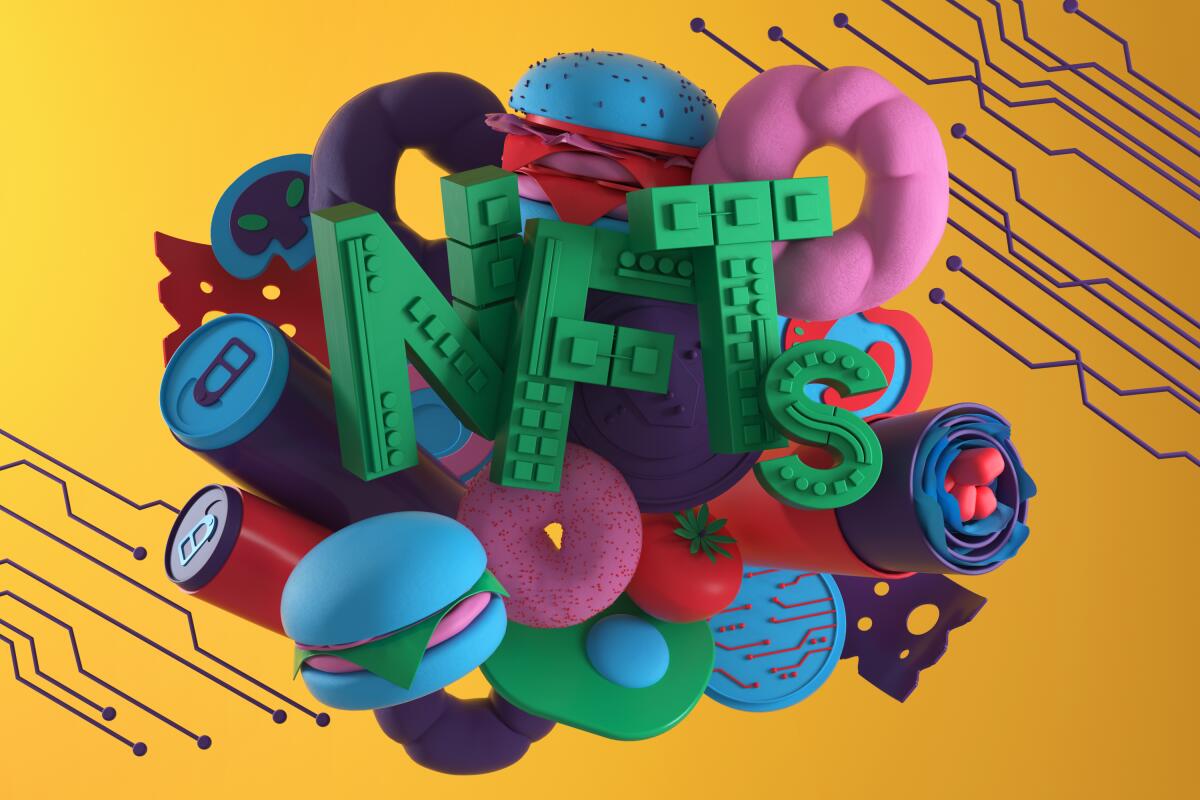
Tokenized music royalties are digital assets representing fractional ownership of the rights to songs or catalogs. These tokens are issued on blockchain platforms and entitle holders to a portion of the income generated from streams, downloads, licensing deals, and more. By leveraging blockchain’s transparency and security, tokenization democratizes access to an asset class that was once reserved for record labels and industry insiders.
This innovation is reshaping how investors think about passive income. Instead of relying solely on stocks or real estate, you can now diversify your portfolio with exposure to the global music industry. The key benefit? Your returns are tied not just to financial markets but also to cultural trends and listener preferences.
Leading Platforms for Investing in Tokenized Music Royalties
The ecosystem for music royalty platforms has expanded rapidly since 2023, with several reputable marketplaces enabling users to buy and trade royalty-backed tokens:
- Royal. io: Co-founded by DJ 3lau (Justin Blau), Royal. io lets fans and investors purchase tokens linked directly to songs or albums. Each token represents a share of future royalty earnings.
- ANote Music: This European platform offers access to both established hits and emerging catalogs. Investors can buy shares in royalty streams via transparent auctions.
- Coda: Coda focuses on creative works beyond just music - including podcasts - allowing users to invest in recurring revenue streams from multiple media formats.
The process typically involves connecting your crypto wallet, browsing available assets, purchasing tokens using fiat or cryptocurrency, then receiving periodic payouts as royalties accrue. For an in-depth walkthrough on getting started with these platforms, explore our step-by-step guide here.
The Economics: Opportunities for Passive Income
The appeal of investing in tokenized music royalties lies in their potential for stable cash flow. Songs with enduring popularity can generate revenue years after release - think holiday classics or viral hits that keep streaming numbers high. As an investor, you receive your proportional share directly into your wallet whenever royalties are paid out by DSPs (Digital Service Providers) like Spotify or YouTube.
- Recurring Revenue: Unlike stocks that may only pay quarterly dividends (if any), music NFTs often provide monthly micropayments tied directly to usage data.
- Diversification: These assets tend to have a low correlation with traditional markets; their value depends more on cultural trends than interest rates or GDP growth.
- Accessibility: Fractional ownership means you don’t need thousands of dollars upfront; many platforms let you start small while still gaining exposure.
If you’re curious about yield expectations and how they compare with other passive income strategies, check out our analysis at this guide for Web3 investors.
Navigating Risks: What Every Investor Should Know
No investment is without risk - and tokenized music royalties are no exception. Here’s what you should consider before diving in:
- Market Volatility: The value of royalty tokens can fluctuate based on both song popularity and crypto market swings.
- Regulatory Uncertainty: The legal landscape around NFTs and digital securities is evolving; changes could impact liquidity or even legality in certain jurisdictions.
- Technological Barriers: Not all artists or rightsholders have adopted blockchain yet; adoption rates could affect available supply and platform growth.
- Security Concerns: While blockchains are secure by design, smart contract bugs or exchange hacks remain possible if platforms aren’t properly audited.
- Payout Fluctuations: Royalty payments depend on actual usage data; shifts in listener habits (like algorithm changes at Spotify) can impact expected returns.
Given these factors, it’s essential to approach music NFTs investing with the same diligence you would apply to any alternative asset. Diversification across multiple songs, artists, and even genres can help smooth out the unpredictability of individual royalty streams. Many seasoned investors recommend starting with established tracks that have a proven history of consistent revenue, rather than chasing the next viral sensation.
Transparency is another advantage of blockchain-powered music royalty platforms. Every transaction and payout is recorded on-chain, allowing investors to independently verify their earnings and monitor performance over time. However, always review smart contract audits and platform security disclosures before committing funds.
How Passive Is Passive? Setting Realistic Expectations
The term "passive income" is enticing, but it’s important to set realistic expectations when you invest in music royalties. While many platforms automate royalty collection and distribution, your earnings still depend on factors outside your control: audience trends, the ongoing popularity of songs, and even macroeconomic shifts in entertainment spending.
Some months may deliver higher payouts due to seasonal spikes (think holiday music), while others might see a dip if a song falls out of favor or faces increased competition. Unlike fixed-income securities or bonds, music royalties are inherently dynamic, offering both upside potential and variability.
Getting Started: Steps for New Investors
If you’re ready to explore this exciting frontier but aren’t sure where to begin, here’s a simplified roadmap:
- Research platforms: Compare features, fees, track record, and supported payment methods across top marketplaces like Royal. io, ANote Music, and Coda.
- Create a digital wallet: Most platforms require a crypto wallet (such as MetaMask) for purchasing tokens and receiving payouts.
- Review available assets: Study historical performance data, many platforms provide streaming numbers or past royalty statements for each listing.
- Diversify your picks: Consider spreading your investment across several tracks or catalogs rather than concentrating on one asset.
- Monitor performance: Use platform dashboards to track payouts and stay updated on catalog news or artist developments that could affect returns.
If you want an even deeper dive into onboarding steps, including wallet setup tips, our comprehensive walkthrough is available here.
Looking Ahead: The Future of Music Royalty Markets
The intersection of blockchain technology and intellectual property rights is still evolving rapidly. As more artists embrace direct-to-fan models through NFT drops and tokenized royalty sales, we can expect greater catalog diversity, and potentially more sophisticated financial products, in the years ahead.
This democratization also empowers musicians by giving them new funding avenues beyond traditional label deals. For investors, it means broader access to an asset class once limited by high minimums or industry connections. As always with emerging markets: stay curious, keep learning, and adapt as regulations and technologies progress.
If you’re intrigued by the blend of culture, technology, and finance shaping this space, and ready to put your capital to work in the world’s soundtrack, tokenized music royalties could be an ideal addition to your portfolio. Remember: investing is a marathon, not a sprint. Start small if needed; let your knowledge (and dividends) compound over time.


No comments yet. Be the first to share your thoughts!