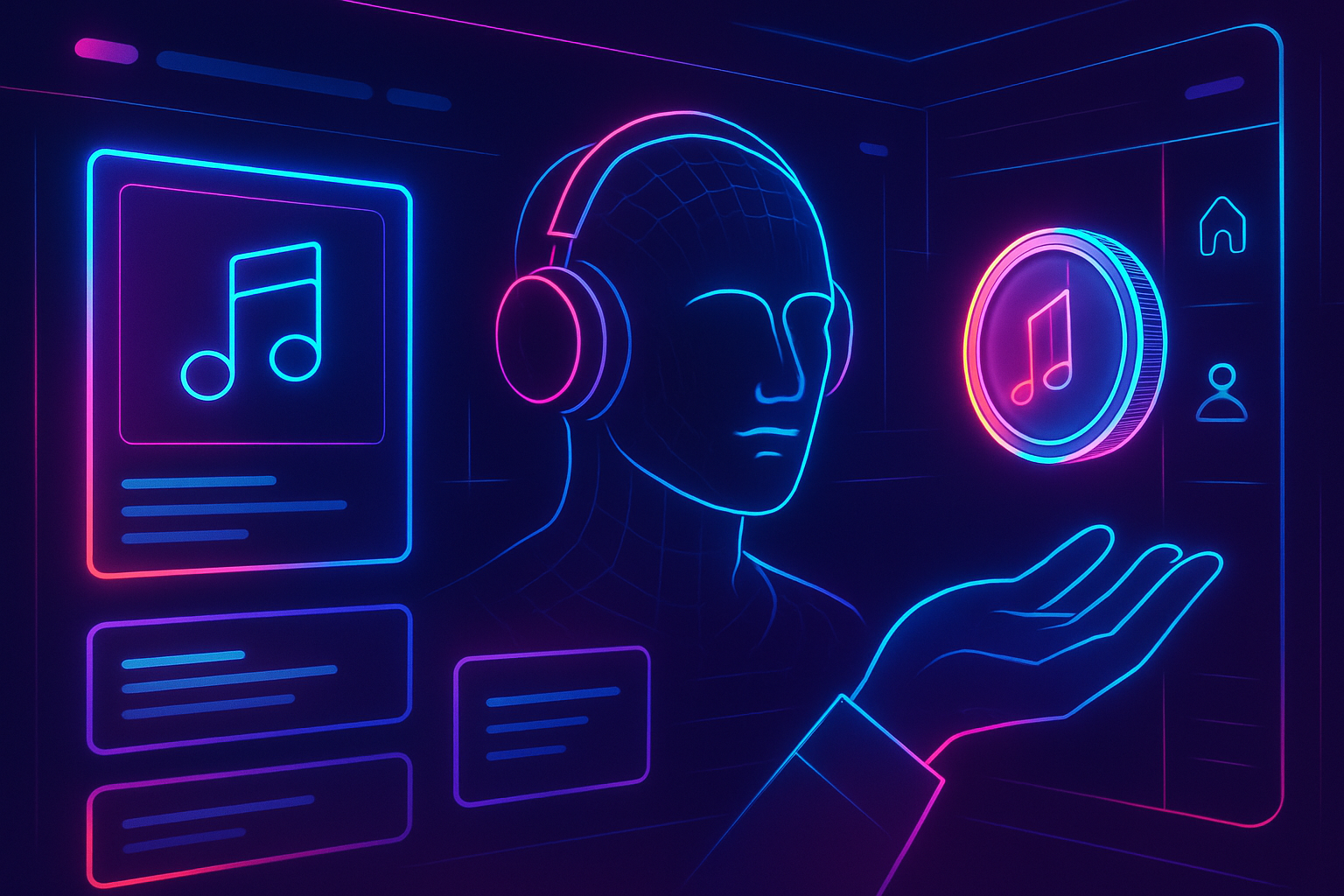
Imagine earning a steady stream of passive income every time your favorite song is played on Spotify, featured in a commercial, or streamed on YouTube. Thanks to the rise of tokenized music royalties, this isn’t just a privilege for record labels and industry insiders anymore. Blockchain-powered music royalty marketplaces are opening up direct access for everyday investors to own fractional shares of songs and catalogs, making it easier than ever to invest in music royalties and diversify your portfolio.
Tokenized Music Royalties: How Blockchain Is Democratizing Music Investment
The traditional music royalty system has long been opaque, slow, and exclusive. Tokenization changes all that by converting royalty rights into digital tokens recorded on a blockchain. Each token represents ownership of a share in the revenue generated from streams, downloads, licensing deals, and more. As these revenues flow in, token holders receive proportional payouts, delivered transparently and efficiently via smart contracts.
This new model offers several advantages:
- Transparency: All transactions are visible on-chain, reducing disputes over payments.
- Liquidity: Fractional tokens can be traded on secondary markets, giving investors flexibility.
- Diversification: Investors can spread risk across multiple tracks or catalogs from different artists and genres.
Step-by-Step Guide: How to Invest in Tokenized Music Royalties
If you’re ready to explore this innovative way to generate music royalty passive income, follow these key steps:
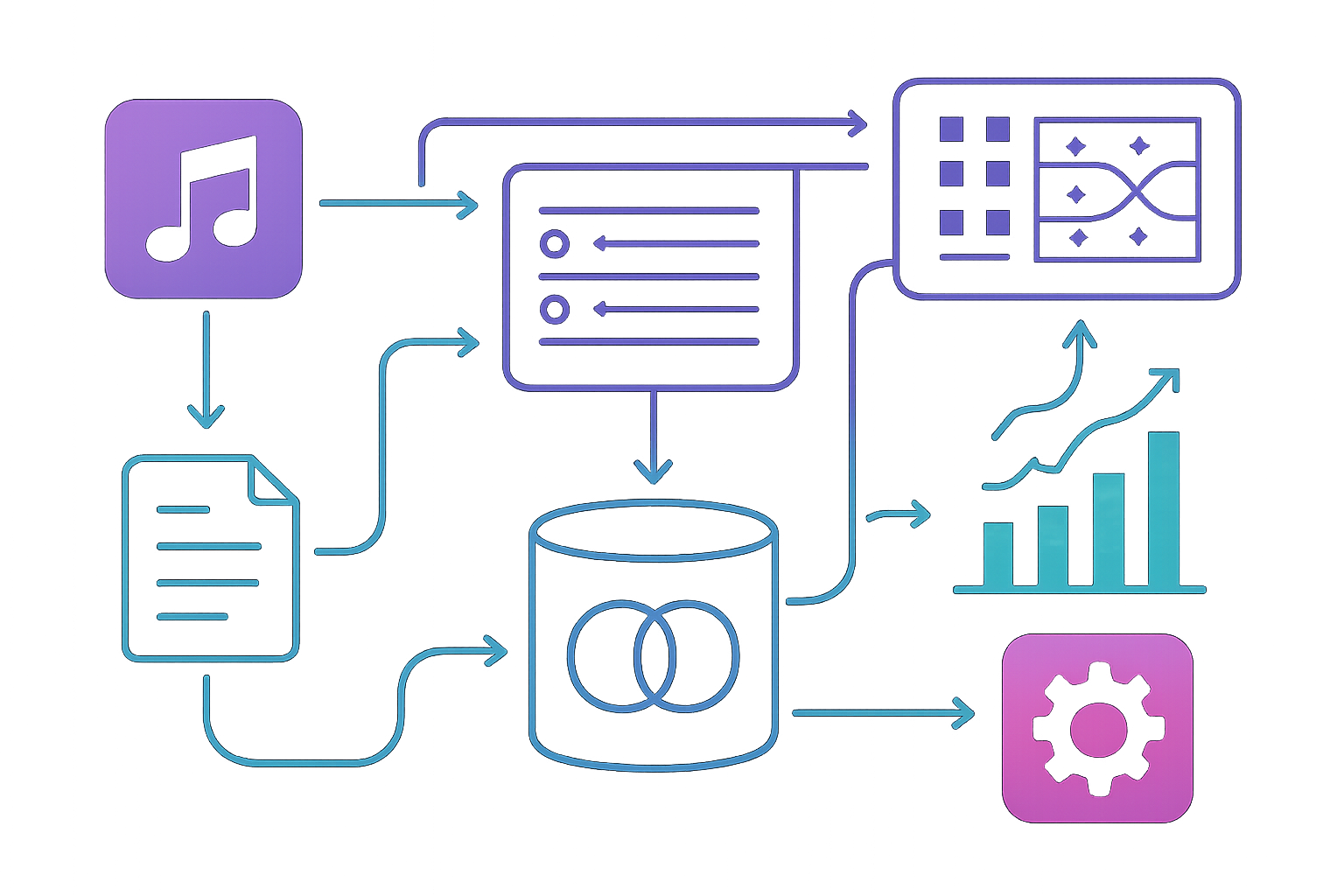
How to Invest in Tokenized Music Royalties: Step-by-Step Guide

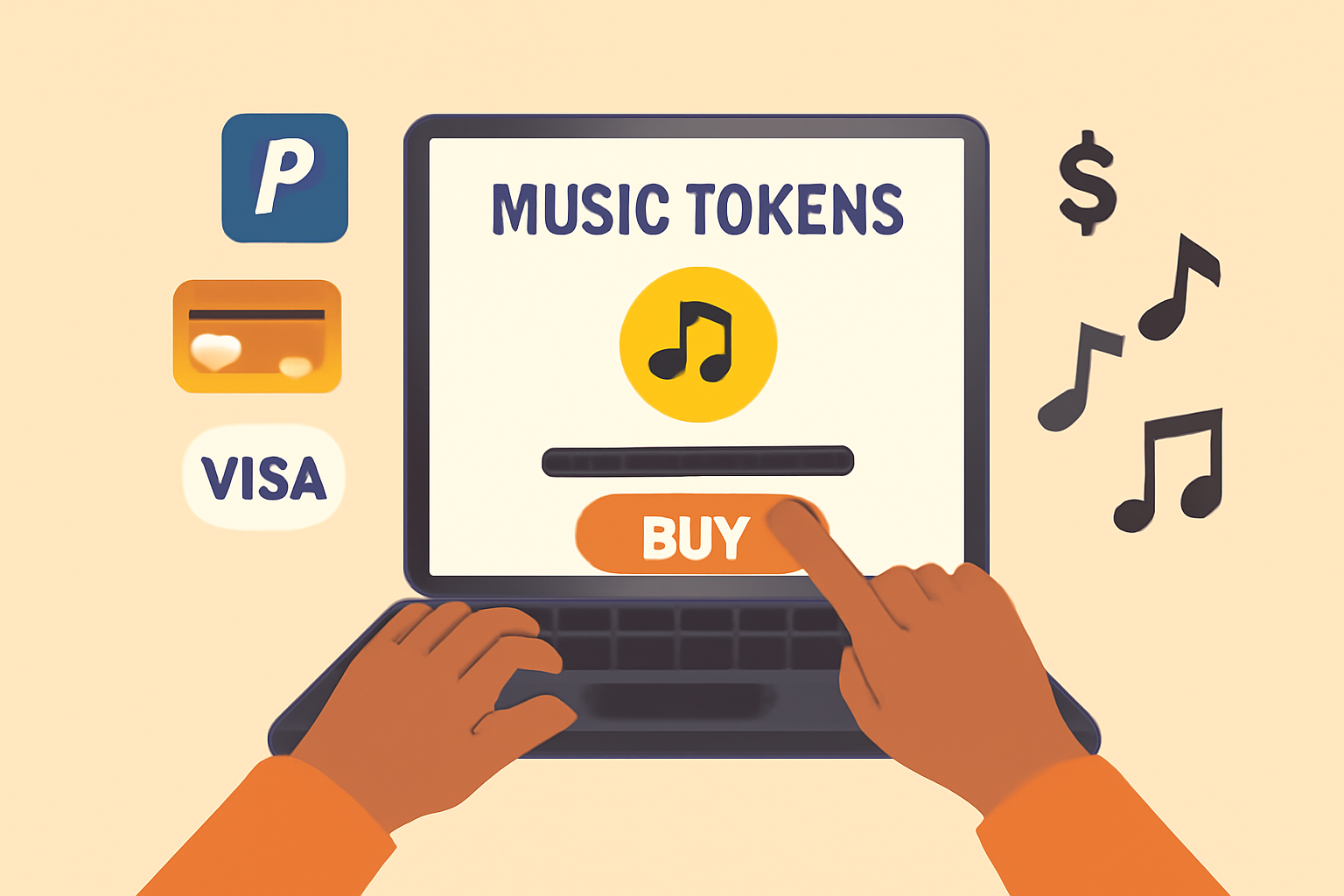
Selecting the Right Platform: Where Can You Buy Song Tokens?
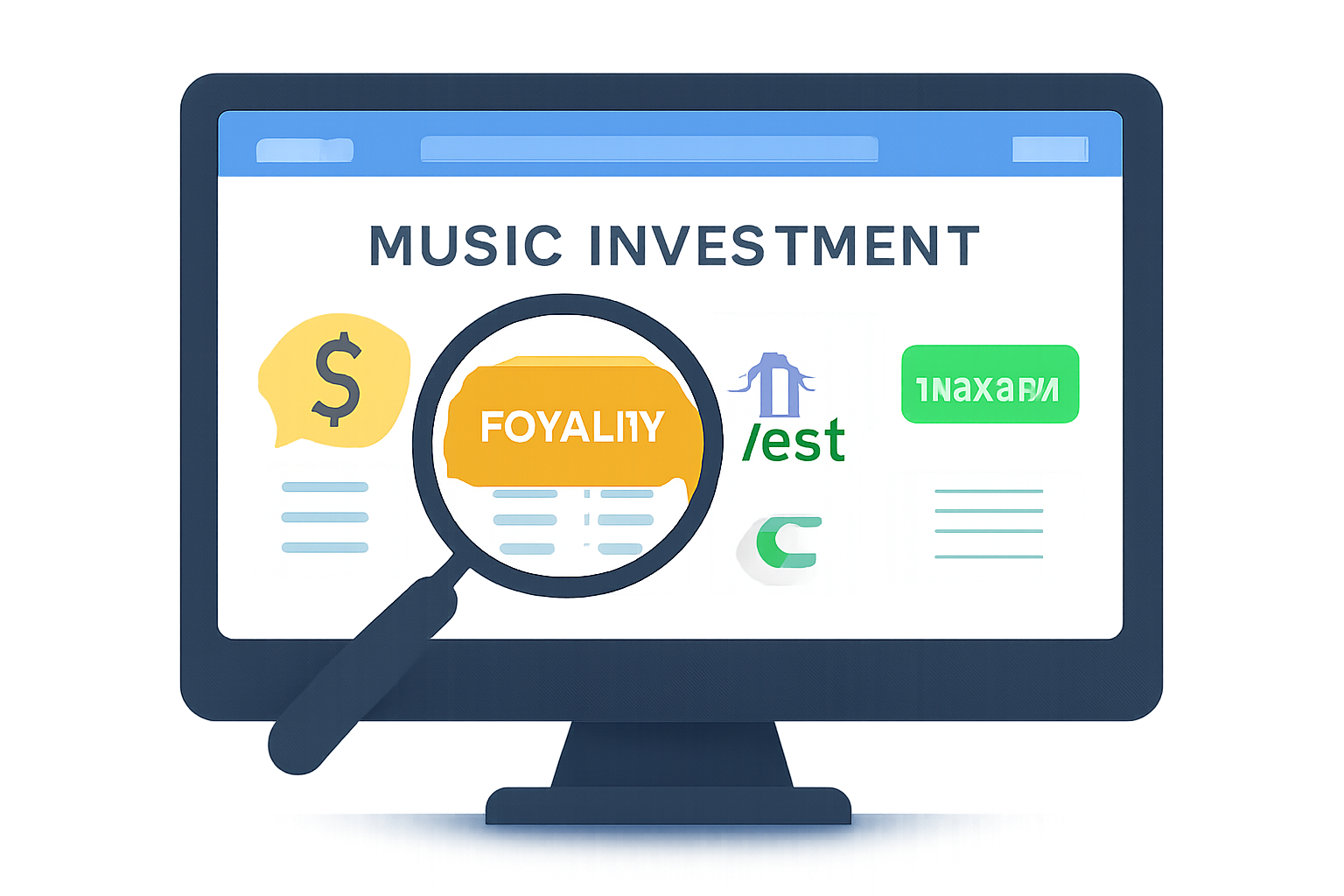
The first decision is choosing a reputable platform. Unlike legacy royalty exchanges that require large minimum investments or insider connections, today’s blockchain-based marketplaces cater to both retail and institutional investors. Here are some leading options that have emerged as trusted names in the space:
Top Platforms for Buying Tokenized Music Royalties
- ANote Music: A leading European platform that opens music royalty investing to the public, offering access to catalog shares from established and emerging artists. Investors receive transparent royalty distributions and can trade their shares on a secondary market.

- Royalty Exchange: One of the most established marketplaces for music royalties, allowing investors to bid on royalty auctions and build a diversified portfolio. The platform features thousands of music catalogs and provides detailed analytics for informed decision-making.

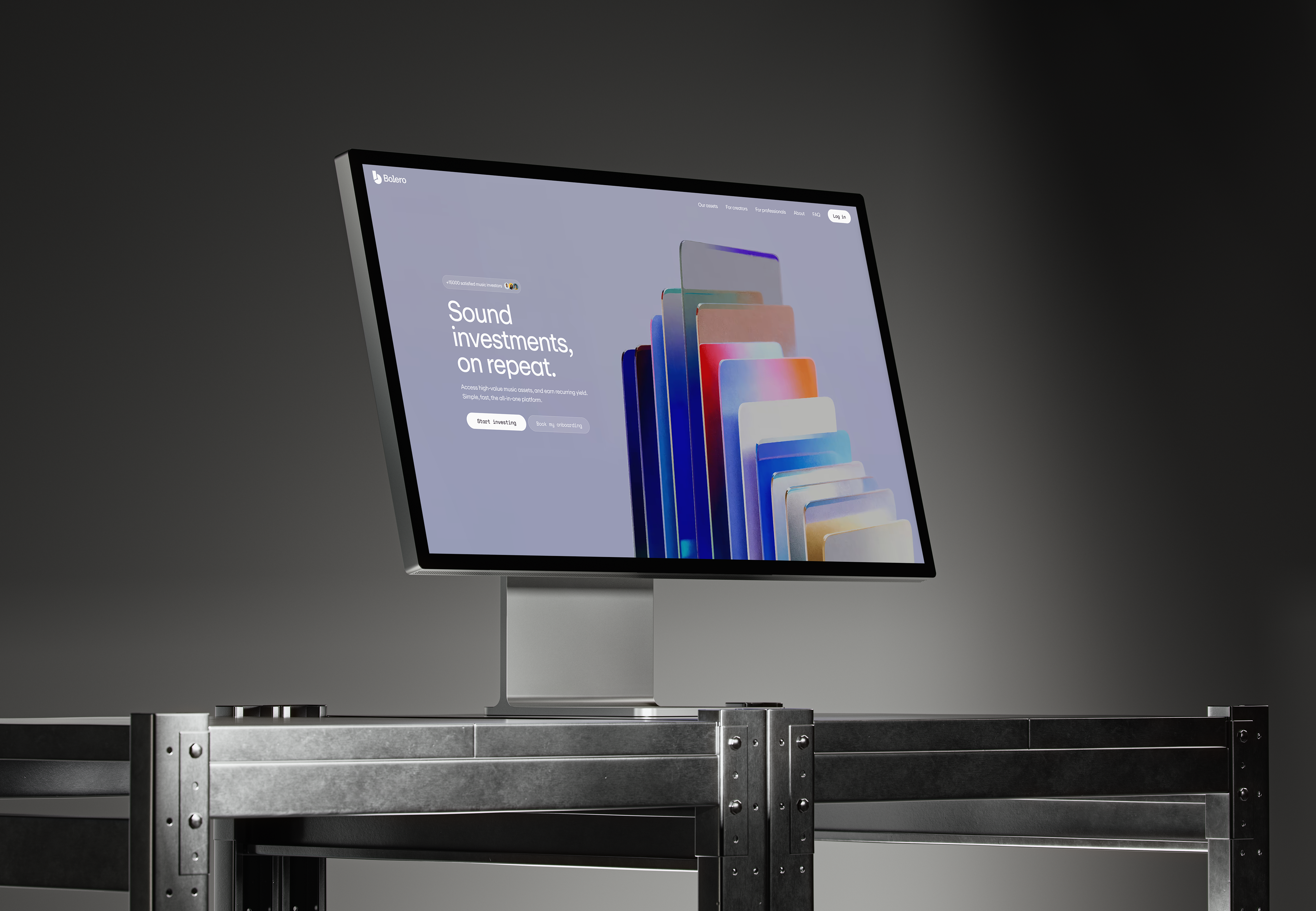
- Bolero: A Web3 platform enabling users to invest in music rights via blockchain-based tokens. Bolero empowers fans and investors to earn passive income from streaming royalties while supporting their favorite artists.
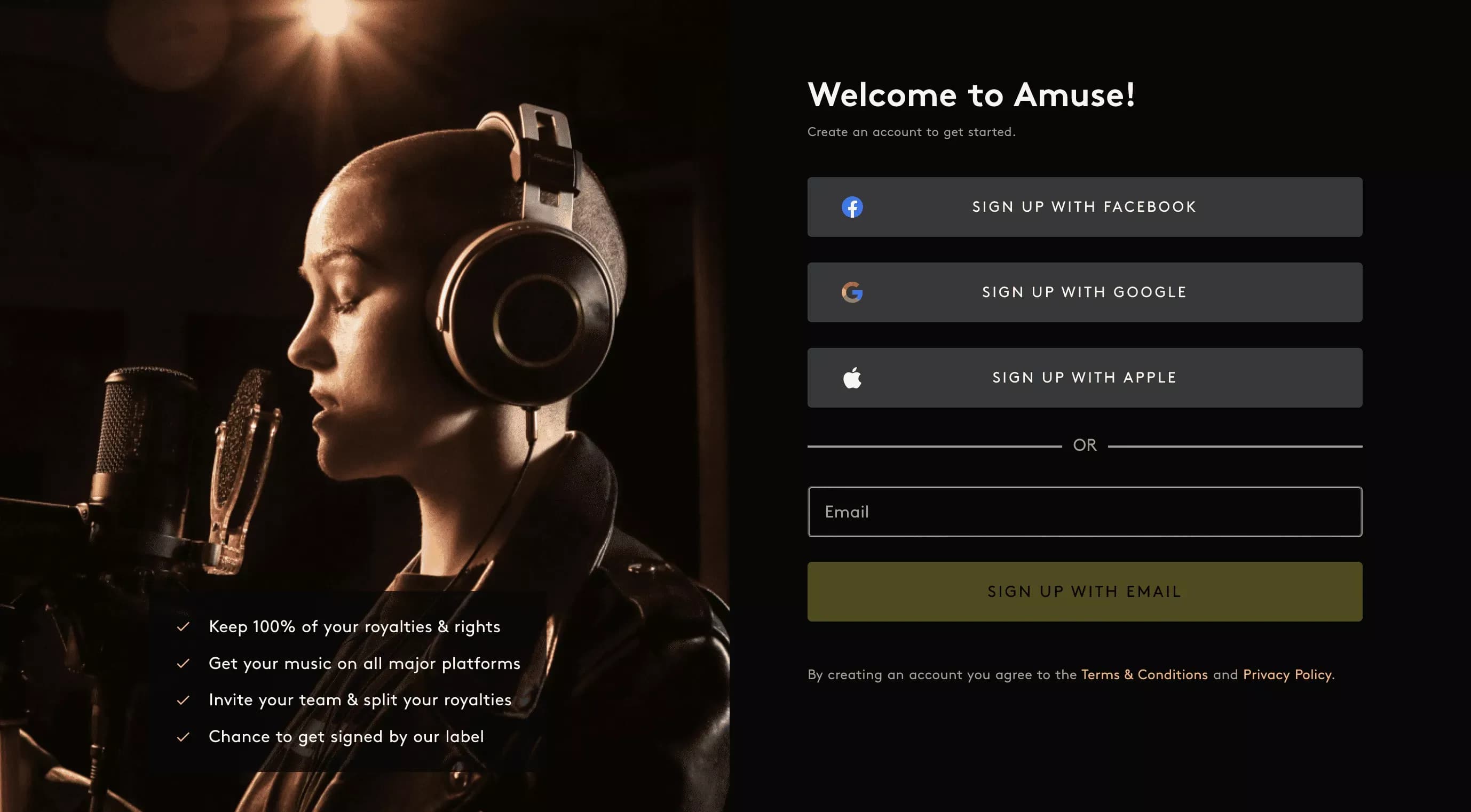
- Ownable Music: Facilitates the purchase of royalty shares in new releases or existing catalogs, with quarterly payouts to investors. The platform emphasizes transparency and provides access to a variety of music genres.
- Collabhouse: Specializes in Royalty Split NFTs, allowing fans to co-invest in music alongside artists. Investors receive proportional royalty payments and can participate in the success of individual tracks or albums.
- Ripe Capital: Offers tokens representing fractions of curated music catalogs, with weekly royalty distributions. Ripe Capital focuses on providing liquidity and transparency through blockchain technology.

- JKBX: Lets investors purchase royalty shares in popular music, providing steady income streams from multiple revenue sources. JKBX highlights regulatory compliance and robust investor protections.
- Ownable Music: Purchase royalty shares in new releases or established catalogs with quarterly payouts.
- Collabhouse: Invest alongside artists using Royalty Split NFTs.
- Ripe Capital: Weekly distributions from curated catalog tokens.
- JKBX: Access diversified royalty streams with steady income potential.
What Should You Look For?
- Artist Track Record: Established artists or trending tracks may offer more reliable returns.
- Payout Structure: Review how often royalties are distributed, some platforms pay quarterly, others weekly.
- Token Terms: Understand what percentage of total royalties you’re entitled to as a token holder.
- User Experience: Look for intuitive dashboards and transparent reporting features.
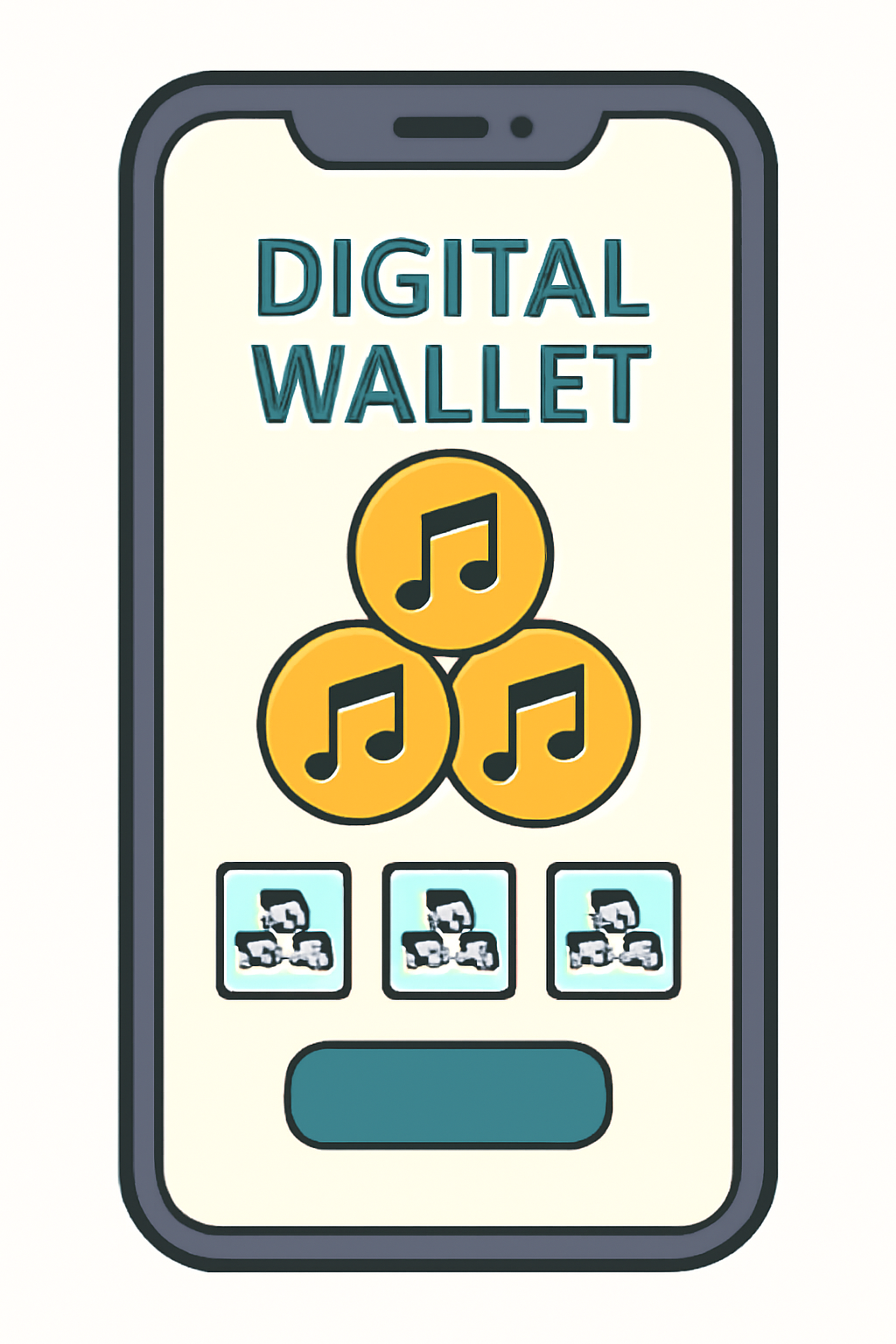
This is just the beginning. Next we’ll dive deeper into evaluating specific opportunities, setting up your digital wallet for secure storage of your song tokens, and managing your investments for optimal returns as the market evolves.
Once you’ve identified a promising platform and catalog, it’s time to focus on due diligence and risk management. Unlike traditional stocks or bonds, tokenized music royalties require you to assess not only the artist and song popularity but also the underlying smart contract terms, platform security, and the projected revenue streams from sources like Spotify, Apple Music, YouTube, and sync licensing.
Assessing Risk and Return: What Drives Music Royalty Passive Income?
Music royalties are not immune to volatility. Factors such as shifting listener preferences, changes in streaming algorithms, or even viral trends can cause royalty income to spike or decline. That’s why diversification across multiple catalogs or genres is key. For example, investing in both evergreen classics and trending hits can help smooth out returns over time.
- Historical Performance: Review past royalty statements if available. Platforms like JKBX and Ownable Music often provide transparent historical data.
- Payout Frequency: Some platforms pay weekly (e. g. , Ripe Capital), while others pay quarterly. Consider your cash flow preferences when choosing.
- Royalty Share Percentage: Carefully read offering documents to understand what fraction of total royalties your tokens represent.
Managing Your Portfolio: Monitoring and Trading Song Tokens
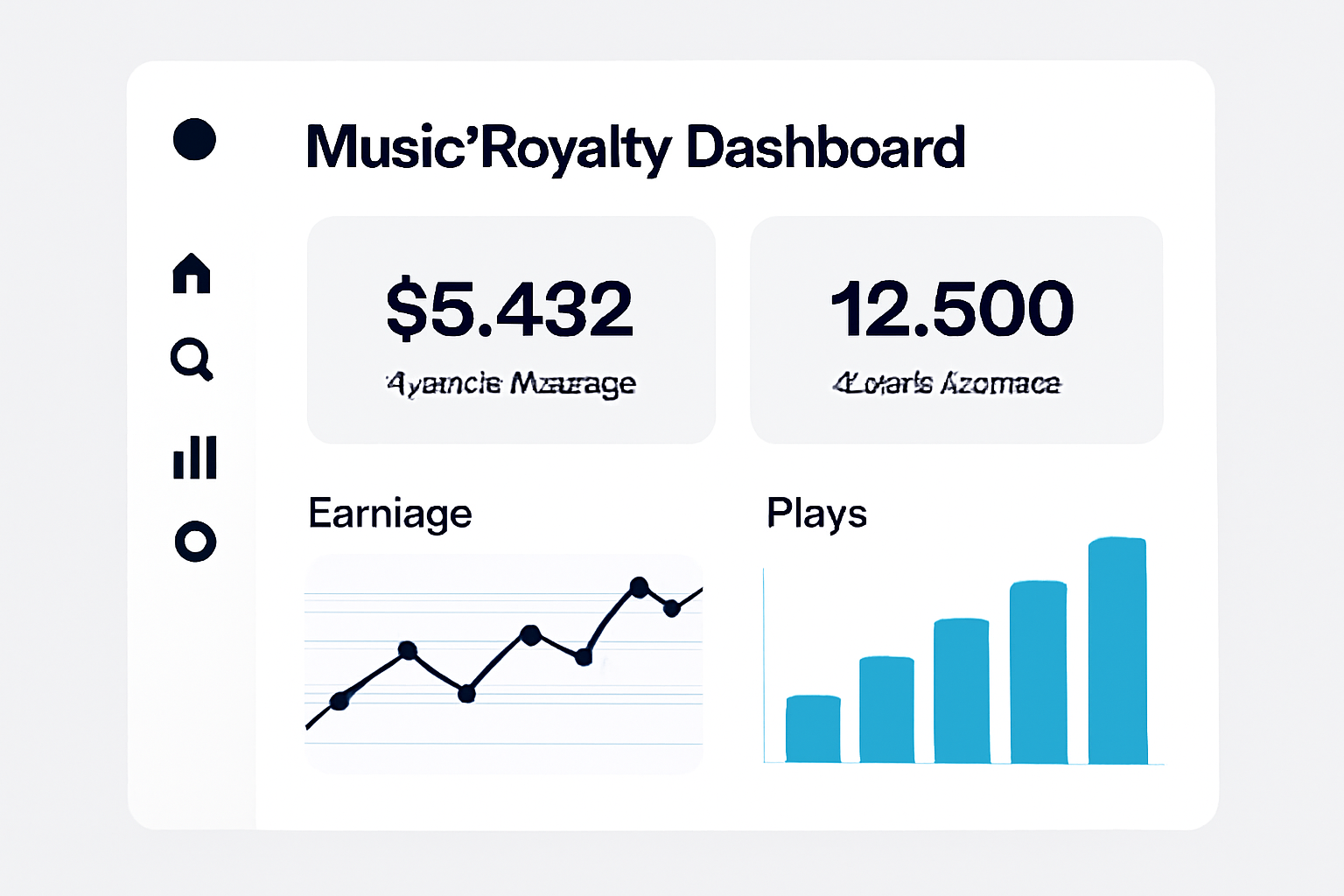
Your journey doesn’t end at purchase. Most platforms feature dashboards where you can track accrued royalties, upcoming distributions, and secondary market activity for your tokens. This transparency makes it easier to rebalance your holdings or take profits as needed.
If liquidity is important to you, prioritize platforms with active secondary markets for song tokens. This lets you sell part or all of your position before the end of the royalty term, an advantage that was rarely possible before blockchain-based marketplaces emerged.
Taxation and Regulatory Factors
The regulatory landscape for blockchain music investment is evolving rapidly. In most jurisdictions, royalty income may be taxed as ordinary income while gains from trading song tokens could be subject to capital gains tax. Always consult a qualified tax advisor familiar with digital assets in your country before making large investments.
Future Outlook: Blockchain Music Investment in 2025 and Beyond
The intersection of NFTs and music rights continues to attract attention from both creators and investors seeking new forms of value creation. As more catalogs become available on-chain and regulatory clarity improves, expect greater liquidity and sophistication in the music royalty marketplace. Forward-thinking investors who educate themselves now will be well positioned as adoption accelerates.
The bottom line? Tokenized music royalties offer a rare blend of cultural connection and financial opportunity, if approached thoughtfully. By leveraging blockchain transparency, fractional ownership, and careful due diligence across reputable platforms like Ownable Music or Ripe Capital, anyone can participate in the future of music ownership while building streams of passive income previously reserved for industry insiders.


No comments yet. Be the first to share your thoughts!