
Imagine earning a share of streaming revenue every time your favorite song is played, not as an artist, but as an investor. Thanks to blockchain technology and the rise of tokenized music royalties, this vision is now a reality for Web3 investors seeking passive income. With major artists like Nas and Diplo already embracing this model, the opportunity to own fractional stakes in hit songs has never been more accessible or transparent.
What Are Tokenized Music Royalties?
Tokenized music royalties are digital assets that represent fractional ownership in the future earnings of a song or catalog. Through blockchain-based platforms, these royalty rights are split into tokens, each granting its holder a proportional claim on streaming, download, and licensing revenues. This process democratizes access to music investments: you no longer need to be a label exec or own entire catalogs, anyone can buy in at their chosen level.
The mechanics are simple: purchase royalty tokens for a specific track or portfolio. As the underlying music generates revenue across global platforms like Spotify, Apple Music, YouTube, and more, your tokens entitle you to a share of those earnings, paid out transparently via smart contracts.
Why Web3 Investors Are Flocking to Music Royalty Tokens
Passive income is the headline benefit, but it’s not the only one. Here’s why tokenized royalties have become a hot asset class for Web3 participants:
- Consistent Cash Flow: Every stream, download, or sync generates micro-payments that accumulate into regular royalty payouts. It’s an income stream that doesn’t sleep.
- Diversification: Royalties historically have low correlation with stocks and crypto markets. Adding them can stabilize your portfolio and hedge against volatility elsewhere.
- Global Reach: With streaming being borderless, you tap into worldwide audiences, expanding your earning potential beyond local market trends.
- Transparency and Security: Blockchain ledgers ensure every transaction is public and immutable; smart contracts automate payouts without middlemen skimming fees.
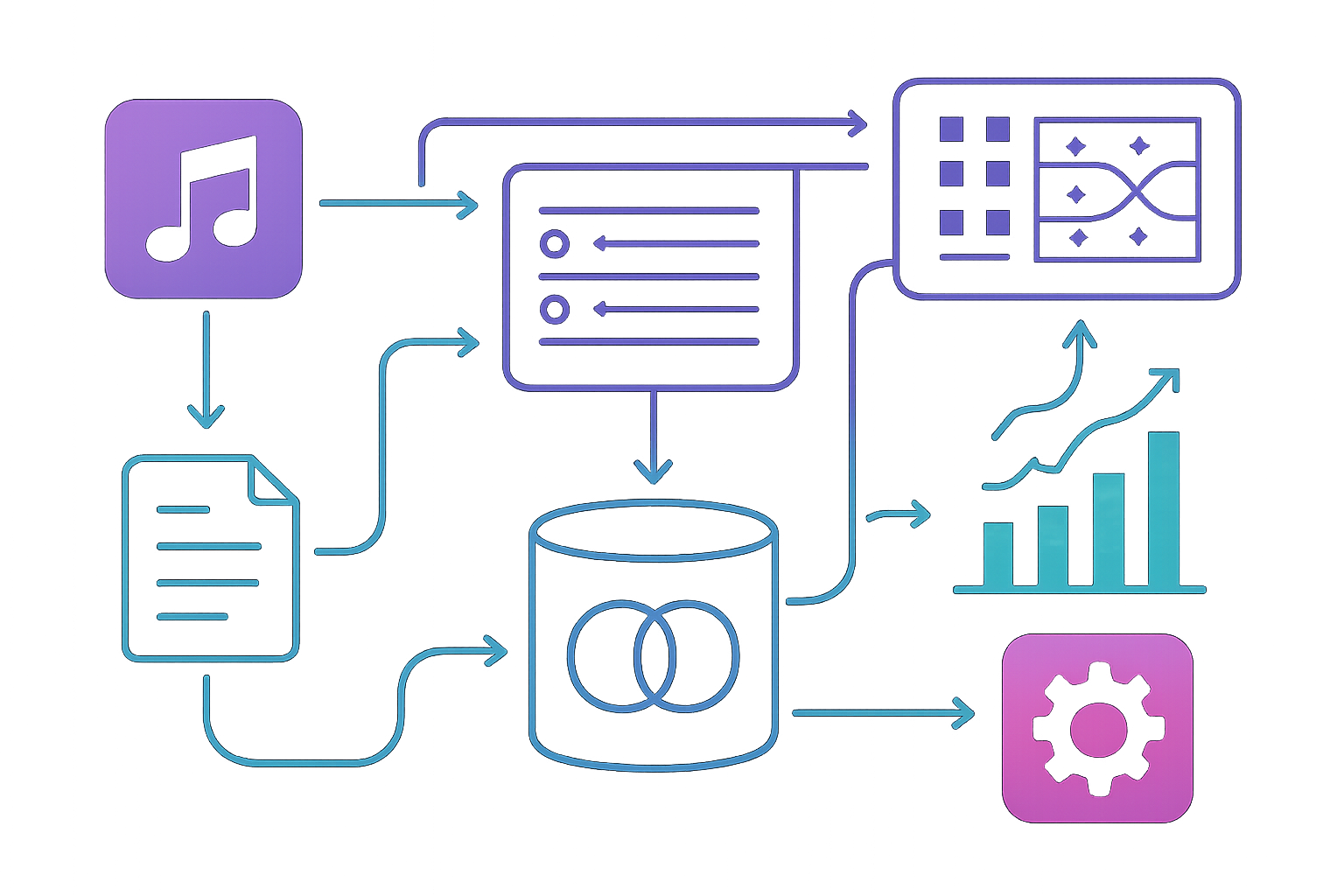
The Pathway: From Song to Passive Income Asset
The journey starts on specialized platforms that facilitate fractional music ownership on blockchain rails. Here’s how savvy investors get started:
- Research Platforms: Not all marketplaces are created equal. Look for those with regulatory compliance, transparent reporting, and strong artist partnerships (think Royal Exchange or Bolero).
- Select Your Songs/Catalogs: Evaluate available assets based on artist popularity, historical performance data, genre trends, and projected earnings. The goal? Maximize both stability and upside potential.
- Dive Into Smart Contracts: Each token comes with terms outlining royalty percentages, payout schedules (monthly/quarterly), platform fees (if any), and governance rights.
- Diversify Your Holdings: Don’t put all your capital into one hit single, spread across genres or multiple catalogs for risk mitigation.
This isn’t just theory, it’s happening now at scale. Investors can start with as little as $10 per token on some platforms (learn more here). As music consumption continues its digital surge into 2025 and beyond, these assets offer resilient cash flows even when traditional markets wobble.
Navigating Risks and Maximizing Returns
No investment is without risk, even in this new frontier. The value of your tokens may fluctuate based on underlying song performance or market demand for royalties on secondary exchanges. Liquidity can be limited if trading volumes are low; regulatory clarity is still evolving in many jurisdictions as well (see our guide for newcomers). That said: careful due diligence and thoughtful diversification remain your best defense, and best path toward steady passive income from the world’s most universal art form.
For those ready to seize the opportunity, the next step is to build a strategy that balances risk and reward. Start by reviewing the historical performance of songs or catalogs you’re considering. Platforms often provide data on past royalty payments, artist streaming trends, and even genre-specific growth rates. Use this information to estimate potential returns and identify assets with long-term staying power.
Active Management vs. Set-and-Forget
Some investors prefer a hands-on approach, actively trading music royalty tokens on secondary markets to capture price appreciation in addition to passive income. Others opt for a set-and-forget strategy, holding tokens for stable royalty payouts over time. Both approaches are valid; your choice depends on your risk tolerance, time commitment, and financial goals.
If you’re new to fractional music ownership blockchain strategies, consider starting small and scaling up as you gain confidence. The beauty of tokenized royalties is flexibility: you can adjust your exposure as market conditions or personal circumstances change.
Community Insights: What Real Investors Are Saying
The Web3 community is buzzing with stories of early adopters who’ve seen meaningful results from investing in passive income music NFTs. Some highlight the thrill of earning payouts from chart-topping tracks. Others praise the transparency and efficiency of blockchain-based platforms compared to legacy royalty collection systems.
Major artists are also embracing this shift, not just for capital but for deeper fan engagement and long-term revenue streams. The result? A virtuous cycle where artists, fans, and investors all share in the upside as songs succeed globally.
The Future of Music Royalty Investing Is On-Chain
The rise of music royalty APY platforms marks a transformative moment for both creators and investors. As more catalogs become available for fractional ownership, and as regulatory clarity improves, the market is poised for explosive growth in 2025 and beyond.
This isn’t just about speculation; it’s about building sustainable wealth streams anchored in the enduring popularity of music itself. Whether you’re looking to diversify your portfolio or align your investments with your passion for music, tokenized royalties offer a unique blend of utility, transparency, and global reach.
If you’re ready to dive deeper into practical steps or want to explore platform-specific strategies, check out our comprehensive guides on how to invest in tokenized music royalties or discover how fans are investing alongside major artists.
The bottom line? The soundtrack of tomorrow’s wealth is being written today, on-chain, accessible, and open to anyone willing to adapt.


No comments yet. Be the first to share your thoughts!