Imagine a world where music fans can own a piece of their favorite song, and artists receive instant, transparent payouts every time their track is streamed. This is not a distant dream, but the new reality powered by blockchain music royalties. For newcomers eager to participate in this evolving landscape, understanding how blockchain is upending traditional music royalty investments is the first step toward seizing new opportunities.
From Stream to Token: The Mechanics of Tokenized Music Royalties
Traditionally, music royalties have been locked within opaque systems, with artists and investors facing delayed payments, high fees, and limited access. Blockchain technology changes this paradigm by enabling the tokenization of music rights. In essence, a song's royalty stream is divided into digital tokens, each representing a fractional share of future earnings. These tokens can be bought, sold, or traded on a blockchain music marketplace, opening the door to fractional ownership for anyone with an internet connection and a digital wallet.
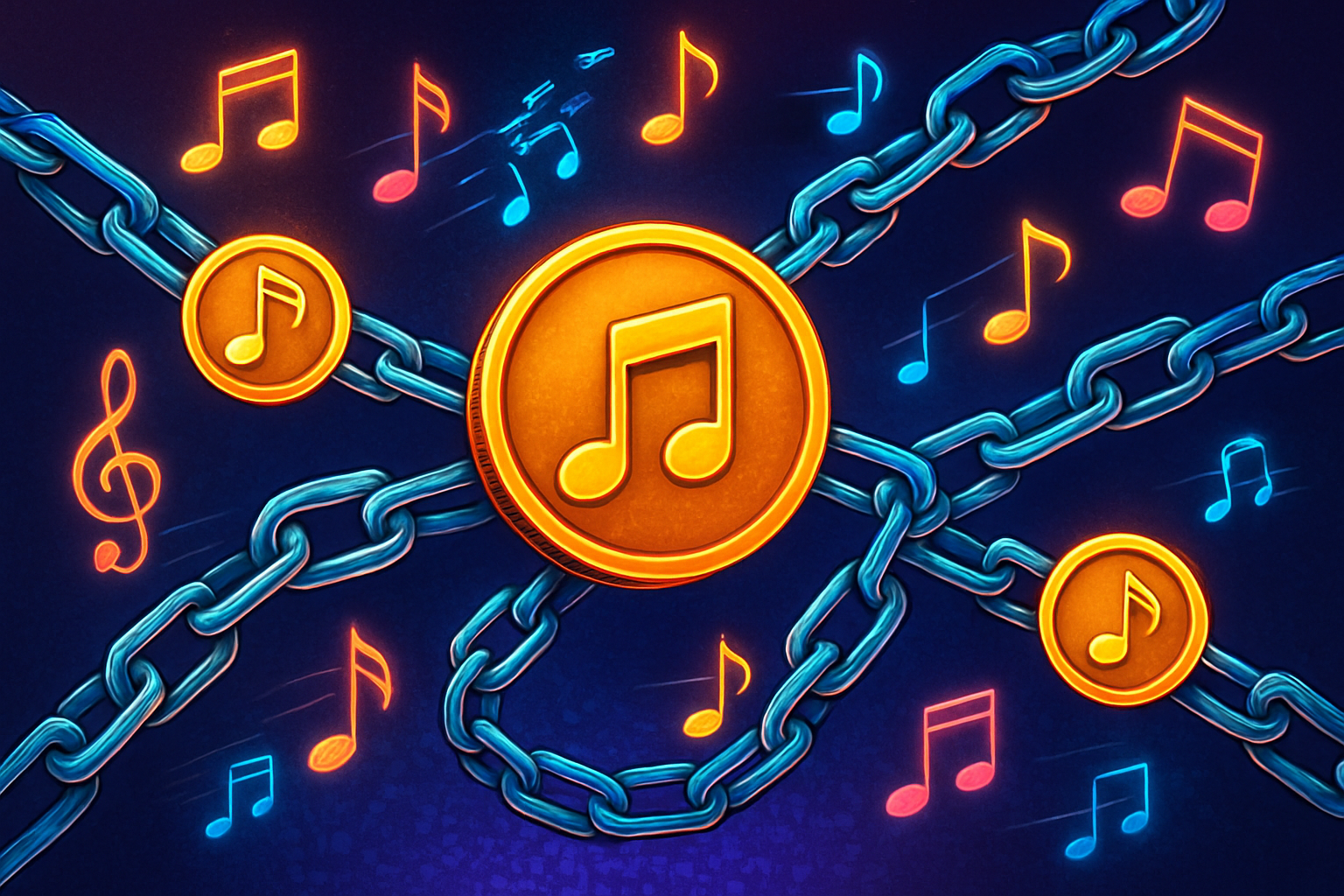
Platforms like Royal and Anotherblock have already made headlines by collaborating with major artists such as Nas, The Weeknd, and Rihanna. Through these platforms, fans and investors purchase tokens that entitle them to a proportional share of streaming royalties, transforming passive listeners into active stakeholders. This new model not only democratizes access but also empowers artists with greater control over their intellectual property and revenue streams.
Why Blockchain? Transparency, Efficiency, and Real-Time Payouts
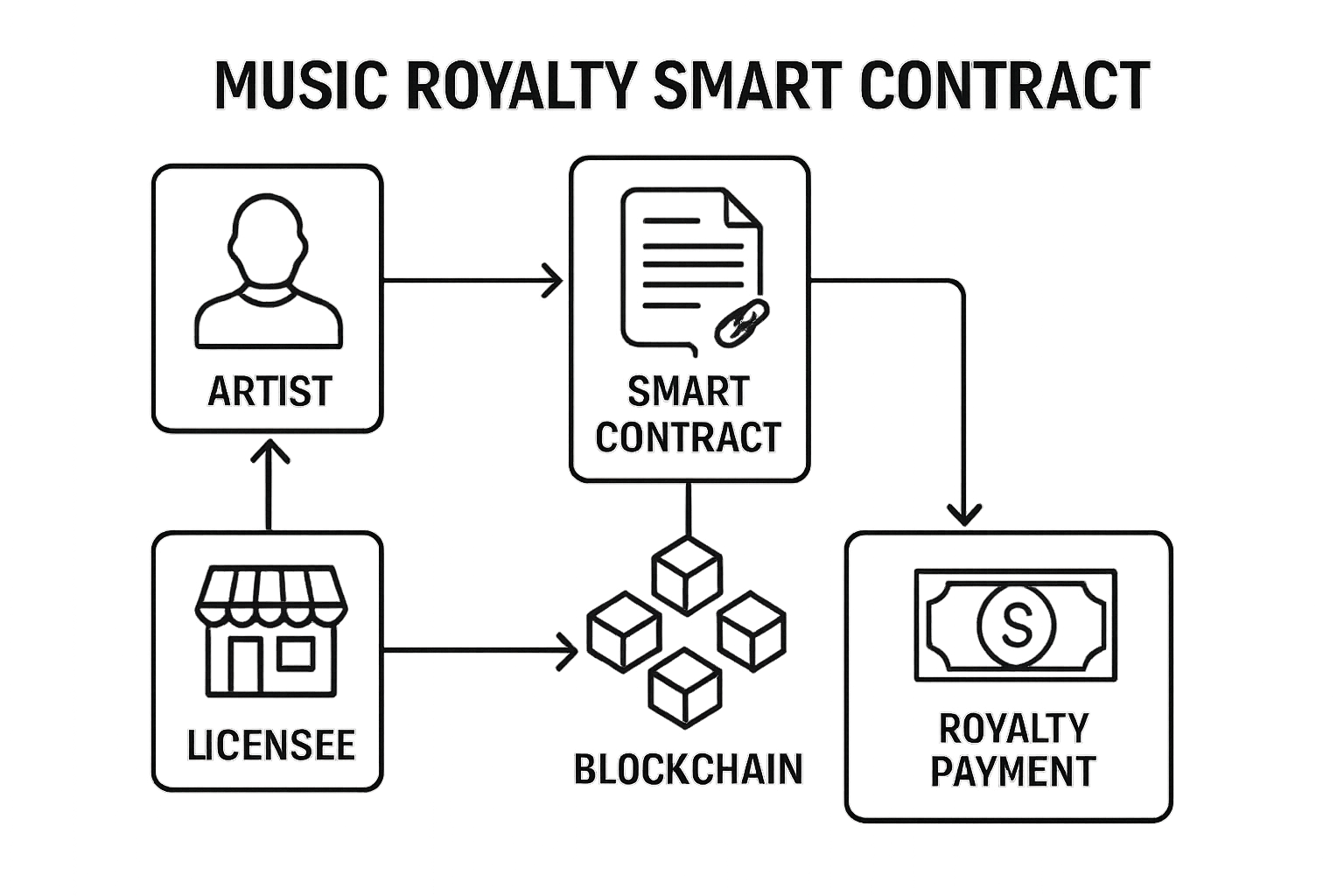
One of the most compelling benefits of blockchain for music royalty investments is automated royalty distribution. Smart contracts - self-executing code on the blockchain - ensure that revenue is distributed directly to token holders in real time, based on the number of tokens they own. This mechanism eliminates intermediaries, reduces administrative costs, and mitigates human error or manipulation.
Consider the difference: where traditional royalty payments might take months to reach an artist or investor, blockchain-powered systems can deliver earnings within minutes of a track being streamed. Every transaction is recorded on a public ledger, providing an unprecedented level of transparency and trust for all participants. For those used to the old ways of the music business, this shift is nothing short of revolutionary.
How to Start Investing: A Beginner’s Checklist
Getting started in the world of music royalty investment is more accessible than ever. Here’s a practical roadmap for newcomers:
Checklist: How to Buy Your First Tokenized Music Royalty
- Set up a secure digital wallet. Choose a reputable wallet compatible with music royalty platforms, such as MetaMask or Coinbase Wallet. Ensure you safely store your recovery phrase and enable two-factor authentication.
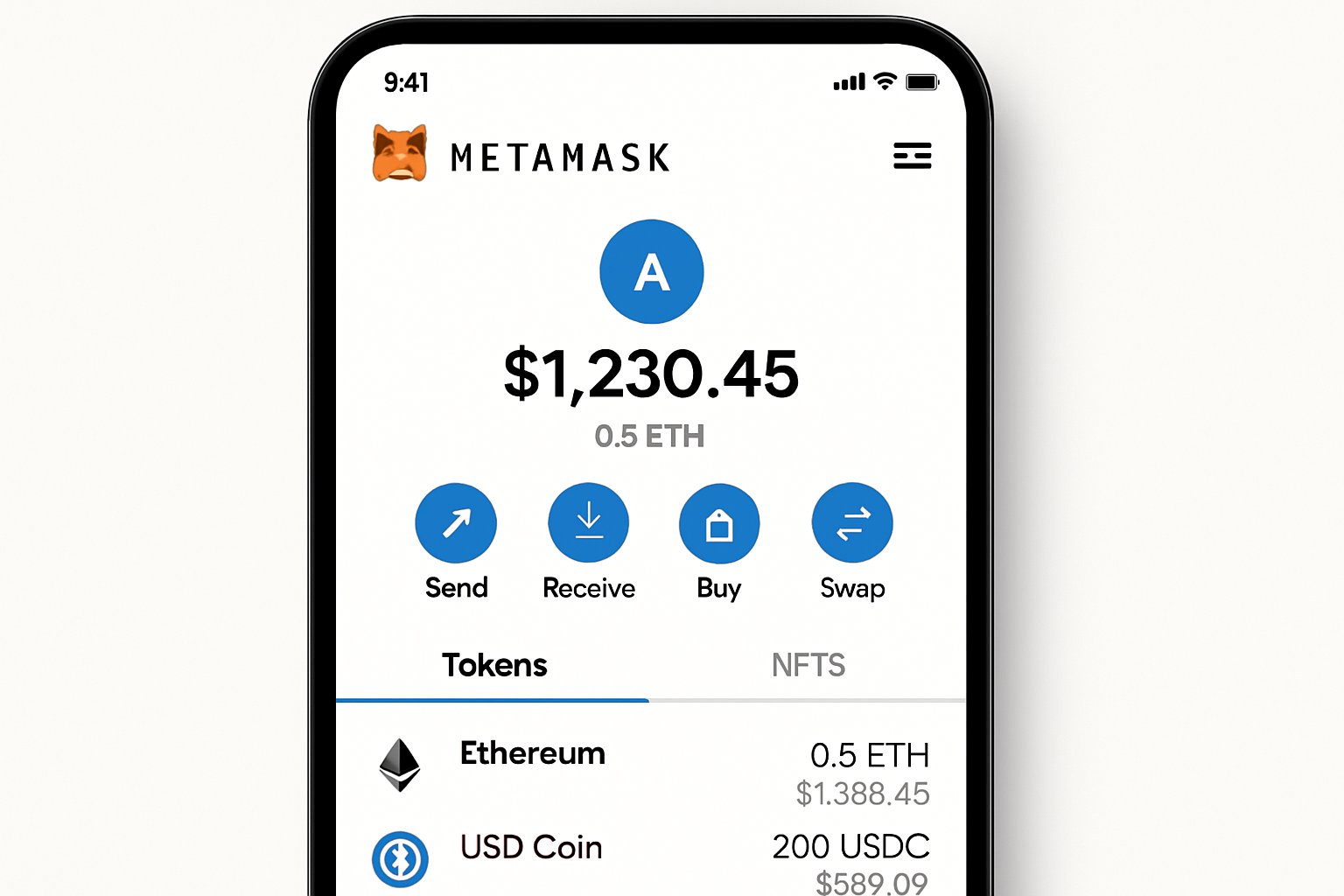
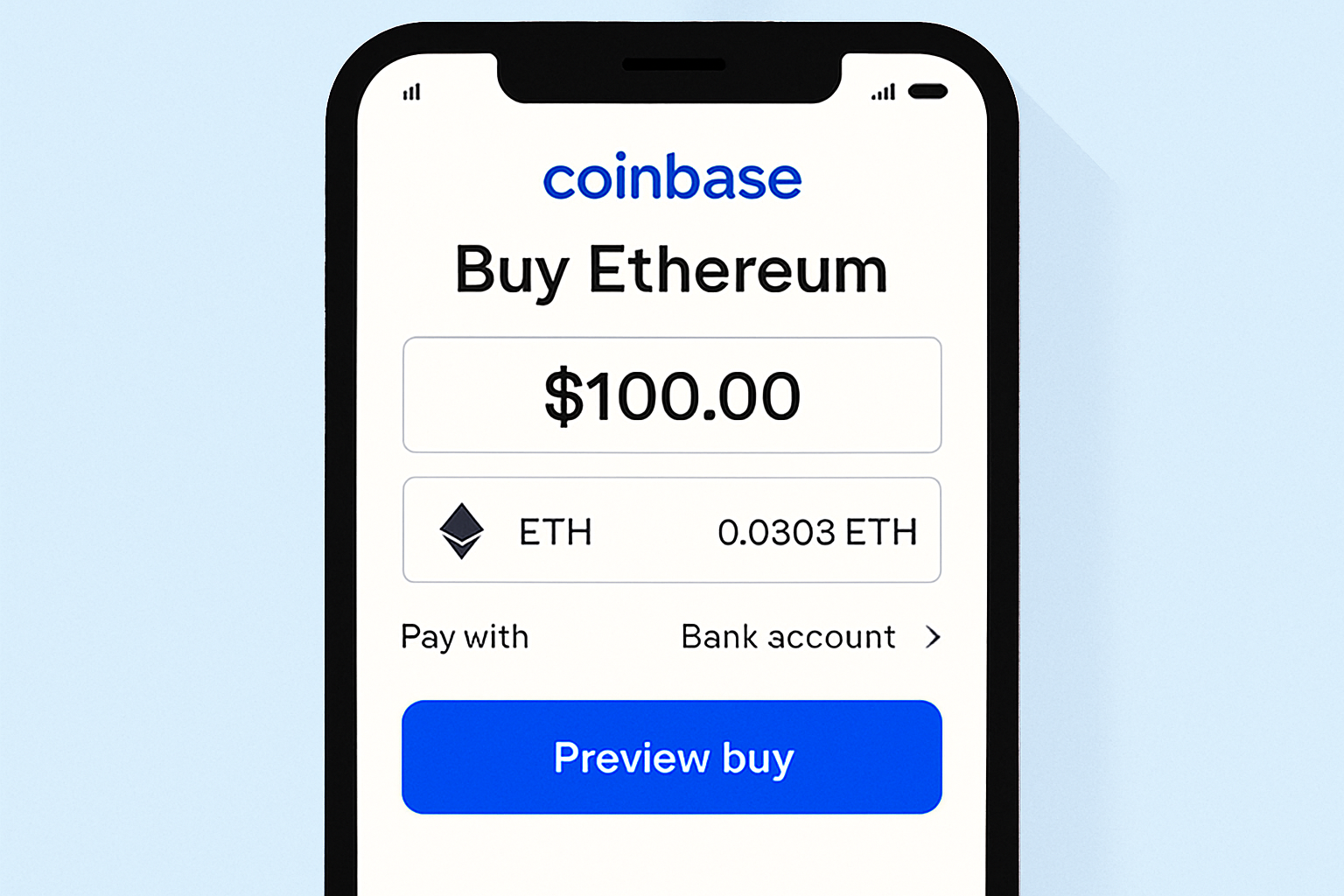
- Fund your wallet with cryptocurrency. Most platforms accept Ethereum (ETH) or stablecoins. Purchase crypto from a trusted exchange like Coinbase or Binance, then transfer it to your wallet.
- Research leading music royalty tokenization platforms. Explore established platforms like Royal, Anotherblock, ANote Music, and Bolero. Review their track records, artist partnerships, and user reviews.
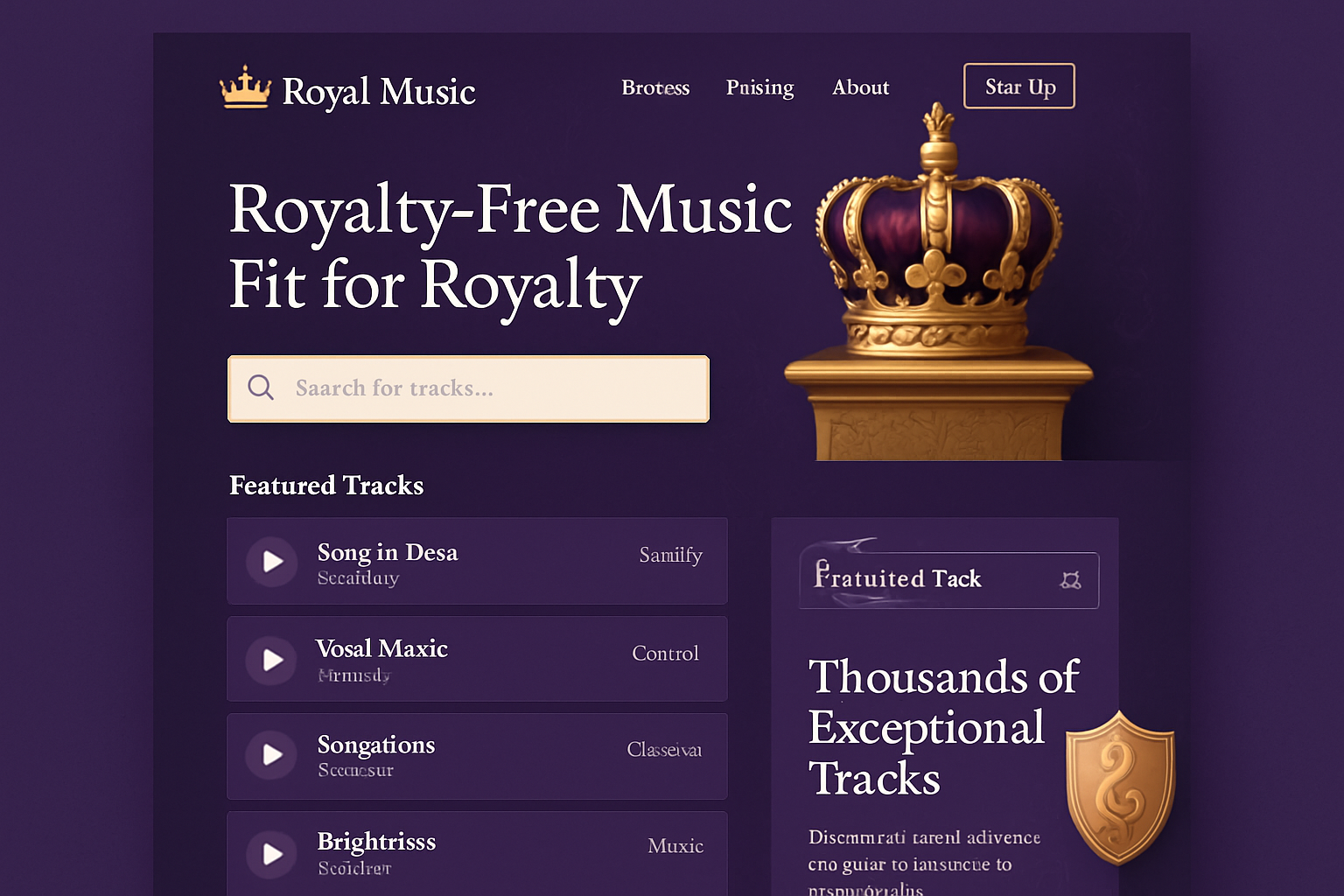
- Evaluate available music royalty tokens. Analyze the songs or catalogs on offer. Look for key details such as artist reputation, historical royalty performance, and token supply. Platforms like Royal and Anotherblock provide transparent data on past earnings.
- Understand the smart contract terms. Review how royalty payments are distributed, minimum holding periods, and any platform fees. Automated smart contracts ensure real-time, transparent payouts to token holders.
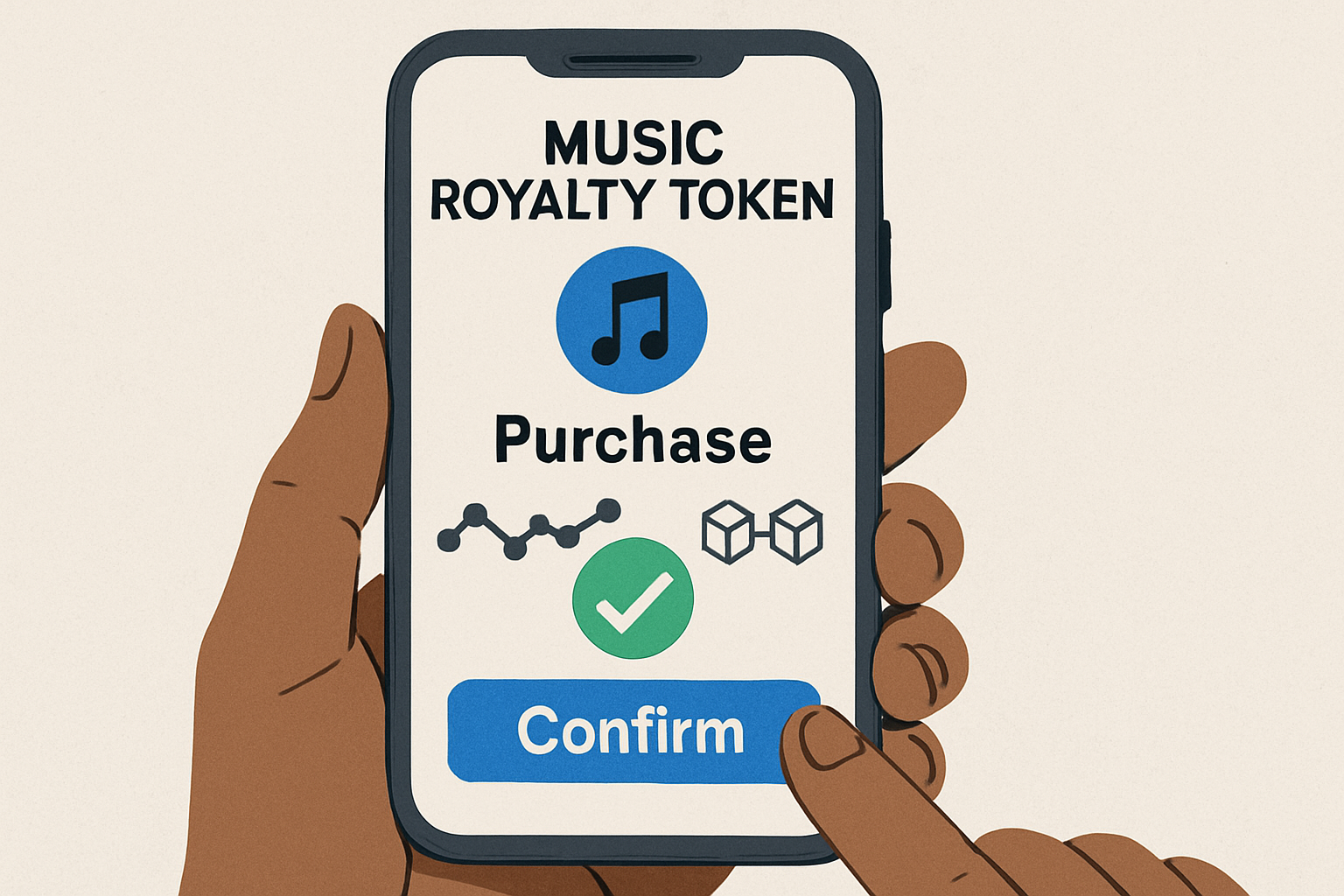
- Make your purchase and confirm ownership. Buy your chosen tokenized royalty via the platform’s marketplace. Verify your transaction on the blockchain and confirm your ownership in your wallet.
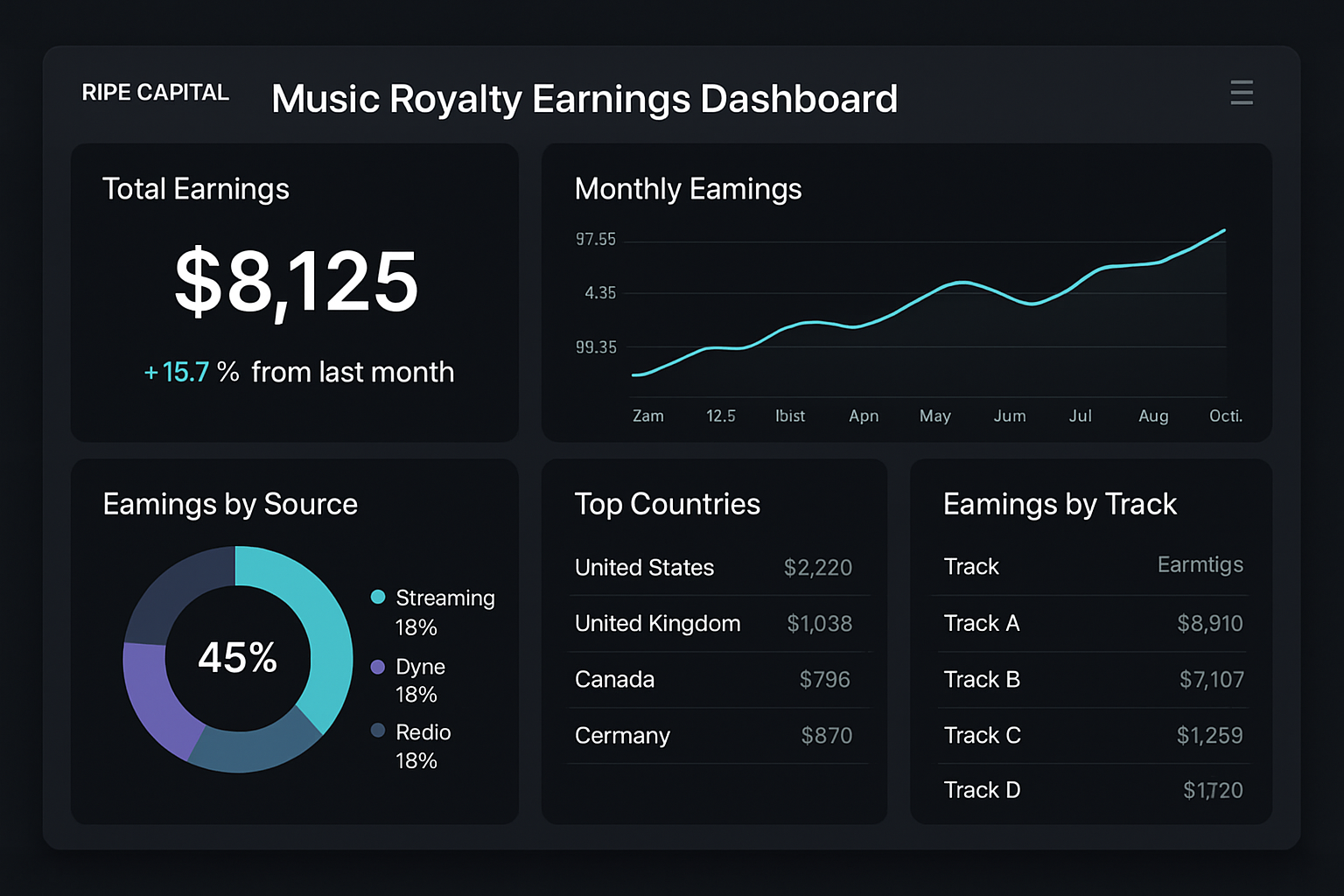
- Monitor your investment and receive royalties. Use the platform dashboard to track royalty payments and song performance. Platforms like Ripe Capital and Bolero provide real-time updates and payout histories.
For a deeper dive into the practical steps and considerations, explore our comprehensive guide on how to invest in tokenized music royalties using blockchain platforms.
Fractional Music Ownership: Empowering Artists and Fans Alike
Fractional ownership is more than just a buzzword - it’s a fundamental shift in how value is created and shared in the music industry. Artists can monetize their work upfront and maintain creative independence, while fans and investors gain access to new revenue streams that were previously out of reach. This ecosystem is not just about profit; it’s about community, empowerment, and aligning incentives between creators and supporters.
As we move further into 2025, platforms specializing in established music catalogues are attracting both passive income seekers and dedicated collectors. Weekly payouts, transparent tracking, and the ability to build a diversified portfolio of songs are rapidly becoming standard features in the music royalty markets.
Yet, as with any investment class, it’s essential to approach tokenized music royalties with a blend of enthusiasm and due diligence. While the allure of earning passive income from chart-topping tracks is strong, investors should evaluate catalog performance, royalty history, and the underlying technology powering each blockchain music marketplace. Robust platforms provide detailed analytics and transparent reporting, allowing users to track earnings per token and assess risk in real time.
Navigating Risks and Opportunities in Blockchain Music Markets
The rapid growth of fractional music ownership has brought both innovation and new considerations for market participants. While blockchain eliminates many traditional pain points, such as delayed payments and lack of transparency, it introduces unique risks. Smart contract bugs, platform security, and evolving regulatory frameworks are all factors that must be weighed carefully.
Investors should also be aware of the liquidity profile of music royalty tokens. Unlike stocks or cryptocurrencies, some tokens may have limited secondary market activity, especially for lesser-known tracks. Diversification across multiple songs and artists can help mitigate this risk, creating a more resilient portfolio as the sector matures.
For those interested in the technical nuances or legal implications of tokenized music rights, further resources are available, such as our analysis on how blockchain is revolutionizing fractional ownership of music royalties. Staying informed is key as this space continues to evolve at a rapid pace.
The Future: Community-Driven Music Investment
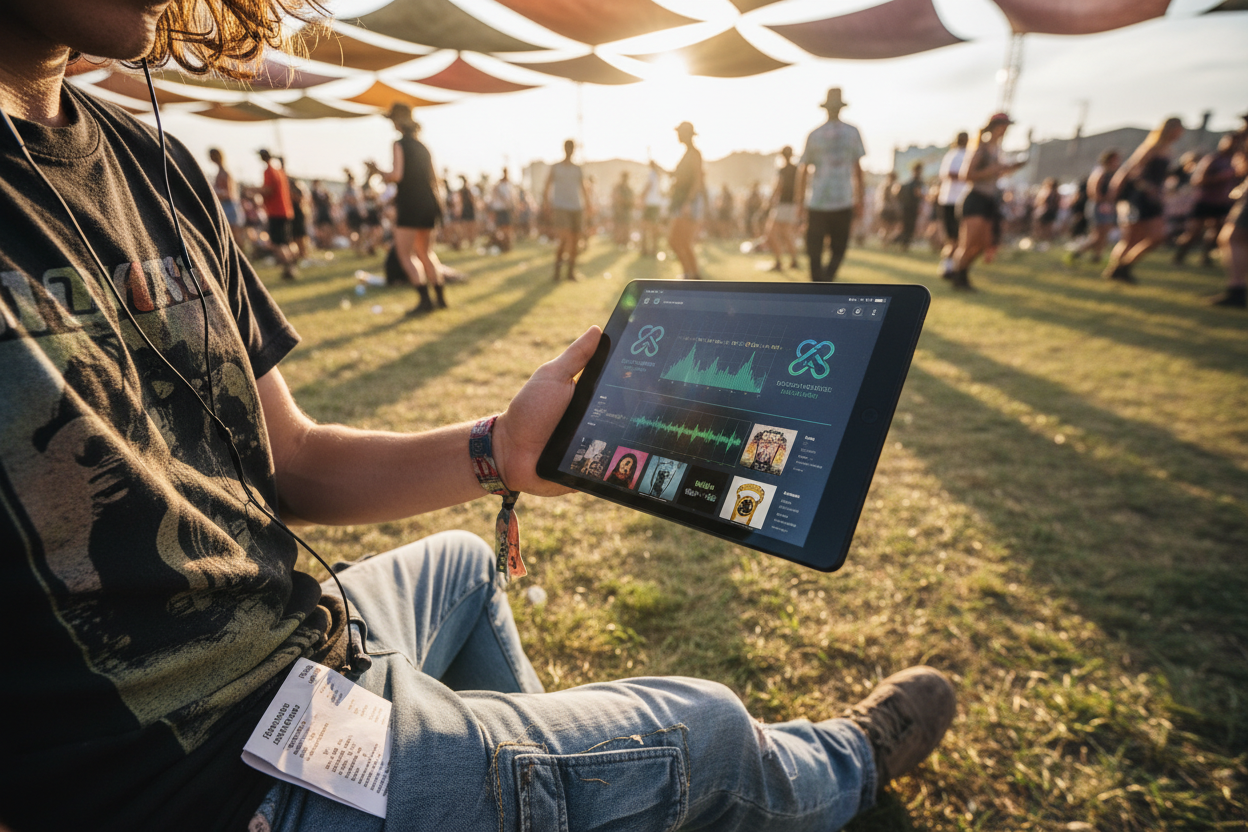
Perhaps the most exciting element of blockchain-powered music investments is the sense of community they foster. Fans are no longer just passive consumers; they become active partners in an artist’s journey. By owning a piece of a song’s future earnings, fans have a vested interest in promoting tracks and supporting creators, blurring the line between audience and stakeholder.
This shift is already evident on platforms like Royal and Anotherblock, where community engagement directly translates into streaming success and higher royalty payouts. As these models scale, we can expect even more innovative collaborations between artists and their supporters, powered by transparent on-chain revenue sharing.
Key Takeaways for Newcomers
- Accessibility: Blockchain lowers barriers to entry for music royalty investments.
- Transparency: Every transaction and payout is recorded on-chain.
- Fractional Ownership: Fans and investors can own small pieces of major hits.
- Passive Income: Weekly or real-time payouts are now possible for token holders.
- Community: Aligning artist and fan incentives creates new pathways for engagement and growth.
Ultimately, blockchain is not just rewriting how we invest in music, it’s redefining who gets to participate in the industry’s upside. Whether you’re an artist seeking creative freedom or an investor looking for alternative assets, tokenized royalties offer a dynamic new frontier. If you’re ready to explore further or want step-by-step guidance on building your own portfolio, check out our resource on how to buy and sell tokenized music royalties on blockchain marketplaces.

No comments yet. Be the first to share your thoughts!